What is Coffee Extraction and Why Does it Matter?
Table of Contents
- How Coffee Extraction Works
- Why Coffee Extraction Matters
- Under Extraction vs Over Extraction
- Under Extracted Coffee
- Over Extracted Coffee
- Factors That Affect Coffee Extraction
- Grind Size
- Water Temperature
- Brew Time
- Coffee to Water Ratio
- Agitation
- Coffee Freshness
- Extraction in Different Brewing Methods
- Espresso
- Pour Over
- French Press
- Cold Brew
- What Is Ideal Coffee Extraction?
- How Baristas Control Extraction
- Coffee Extraction and Specialty Coffee
- Can You Improve Extraction at Home?
- Why Extraction Is the Foundation of Great Coffee
- Final Thoughts

What is Coffee Extraction and Why Does it Matter?
- Adam Smith
- 09-04-2024
- 05-06-2026
- 1983 views
- coffeepedia
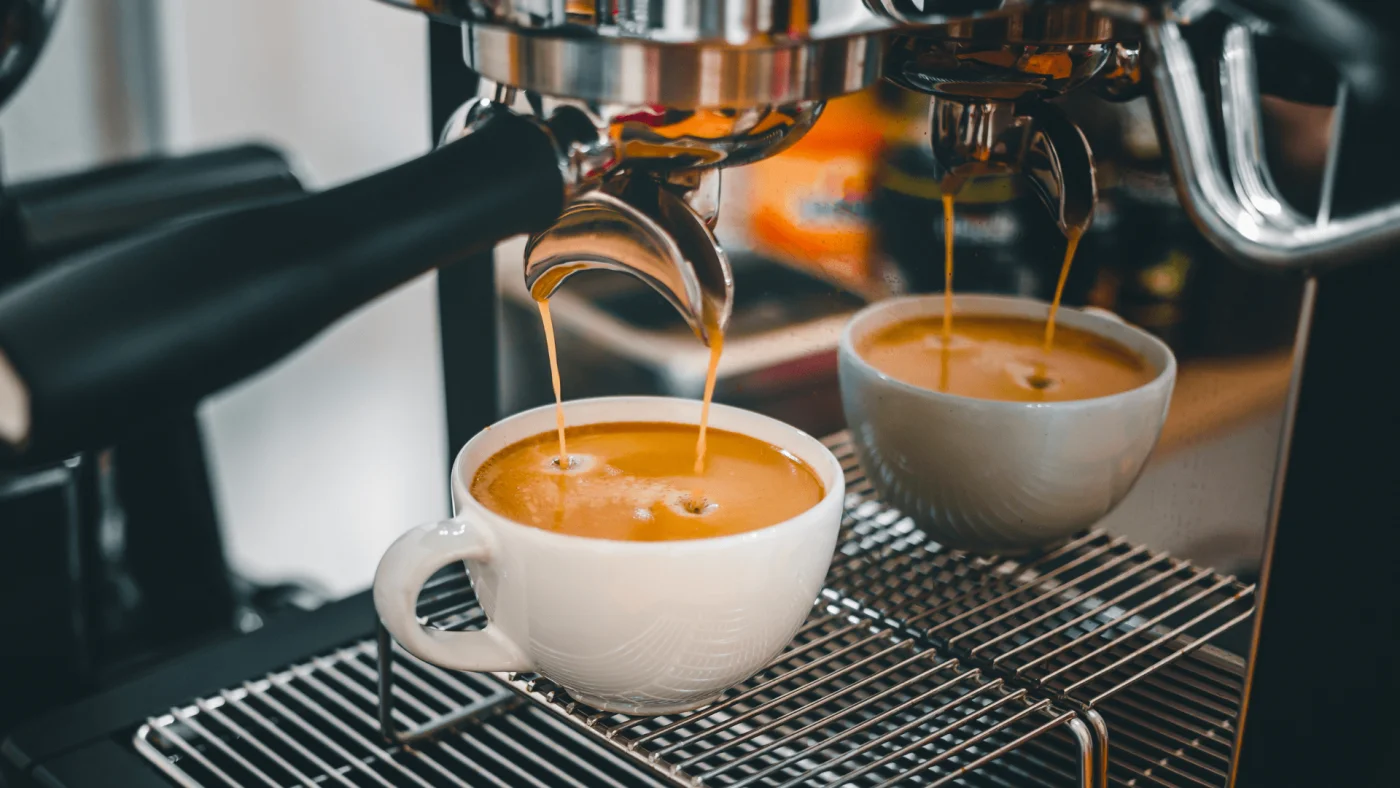
Coffee extraction is the process of dissolving flavors, oils, acids, sugars, and compounds from ground coffee into water during brewing. In simple terms, extraction is what turns plain water and coffee grounds into the flavorful drink we know as coffee.
Every cup of coffee depends on extraction. The balance of flavors in your coffee whether sweet, bitter, sour, smooth, or rich is directly affected by how well the coffee is extracted during brewing.
Understanding coffee extraction is one of the most important parts of making better coffee because even high quality beans can taste unpleasant if extraction is poorly controlled.
How Coffee Extraction Works
When hot water passes through coffee grounds, it begins dissolving different compounds from the coffee.
These compounds include:
- Acids
- Sugars
- Oils
- Aromatic compounds
- Bitter compounds
Not all compounds extract at the same speed.
Generally:
- Bright acidic flavors extract first
- Sweet balanced flavors extract next
- Bitter compounds extract later
The goal of proper coffee extraction is to achieve balance by extracting enough flavor without pulling too much bitterness.
Why Coffee Extraction Matters
Extraction controls how coffee tastes.
Good extraction creates coffee that is:
- Balanced
- Sweet
- Smooth
- Flavorful
- Aromatic
Poor extraction can make coffee taste:
- Sour
- Weak
- Bitter
- Harsh
- Empty
- Overly acidic
Even premium specialty coffee can taste unpleasant if extraction is incorrect.
That is why baristas and coffee enthusiasts pay close attention to brewing variables.
Under Extraction vs Over Extraction
Two common coffee problems are under extraction and over extraction.
Under Extracted Coffee
Under extraction happens when not enough flavor is dissolved from the coffee grounds.
This often creates coffee that tastes:
- Sour
- Sharp
- Salty
- Weak
- Thin
Common causes include:
- Water temperature too low
- Brewing too quickly
- Grind size too coarse
- Too little brewing time
Over Extracted Coffee
Over extraction happens when too many compounds are pulled from the coffee grounds.
This often creates coffee that tastes:
- Bitter
- Dry
- Harsh
- Hollow
- Burnt
Common causes include:
- Brewing too long
- Grind size too fine
- Water temperature too high
- Too much water exposure
The ideal extraction sits between these two extremes.
Factors That Affect Coffee Extraction
Several brewing variables directly influence extraction quality.
Grind Size
Grind size changes how quickly water extracts flavor.
Fine Grind
- Extracts faster
- Used for espresso
- Can cause bitterness if too fine
Coarse Grind
- Extracts slower
- Used for French press
- Can cause sourness if too coarse
Proper grind size is essential for balanced extraction.
Water Temperature
Hot water extracts coffee compounds more efficiently.
Ideal brewing temperatures usually range between:
- 90 to 96 degrees Celsius
Water that is too cool may under extract coffee, while overly hot water may increase bitterness.
Brew Time
The amount of time water stays in contact with coffee affects extraction depth.
Short Brew Time
May create sour or weak coffee.
Long Brew Time
May create bitter or harsh coffee.
Different brewing methods require different extraction times.
Coffee to Water Ratio
The amount of coffee used compared to water changes concentration and extraction balance.
Too little coffee may create watery flavor, while too much can cause overpowering intensity.
Agitation
Stirring or water movement affects how evenly extraction occurs.
Uneven agitation can lead to inconsistent flavor.
Coffee Freshness
Freshly roasted coffee often extracts more evenly and provides better flavor complexity.
Old coffee may taste flat regardless of brewing technique.
Extraction in Different Brewing Methods
Every brewing method extracts coffee differently.
Espresso
- Very fast extraction
- High pressure
- Concentrated flavor
- Requires fine grind
Pour Over
- Controlled extraction
- Highlights clarity and flavor notes
- Medium grind commonly used
French Press
- Full immersion brewing
- Longer extraction time
- Heavier body
Cold Brew
- Very long extraction time
- Cold water extraction
- Smooth and low acidity
Each method creates unique flavor characteristics through different extraction styles.
What Is Ideal Coffee Extraction?
Coffee professionals often aim for balanced extraction where sweetness, acidity, body, and bitterness work together harmoniously.
Well extracted coffee usually tastes:
- Sweet
- Smooth
- Complex
- Clean
- Balanced
The exact ideal can vary depending on:
- Bean origin
- Roast level
- Brewing method
- Personal preference
How Baristas Control Extraction
Professional baristas constantly adjust brewing variables to improve extraction.
Common adjustments include:
- Changing grind size
- Adjusting brew time
- Modifying water temperature
- Altering coffee dose
- Improving pouring technique
Small changes can dramatically affect final flavor.
Coffee Extraction and Specialty Coffee
Extraction is especially important in specialty coffee culture because high quality beans contain delicate flavor notes that can easily be lost through poor brewing.
Proper extraction helps reveal:
- Fruit notes
- Floral aromas
- Chocolate flavors
- Caramel sweetness
- Acidity balance
Specialty coffee brewing focuses heavily on precision to showcase these characteristics.
Can You Improve Extraction at Home?
Yes, even small improvements can significantly improve home coffee brewing.
Use Fresh Coffee Beans
Fresh beans provide more vibrant extraction.
Grind Coffee Properly
Use the correct grind size for your brewing method.
Measure Accurately
Consistent coffee to water ratios improve repeatability.
Control Water Temperature
Avoid boiling water directly on coffee.
Experiment Slowly
Adjust one variable at a time to understand flavor changes.
Why Extraction Is the Foundation of Great Coffee
Extraction is one of the most important concepts in coffee because it determines whether coffee tastes balanced or unpleasant.
No matter how expensive or high quality the beans are, poor extraction can ruin the final cup.
Understanding extraction allows coffee drinkers to:
- Brew better coffee
- Diagnose flavor problems
- Appreciate specialty coffee more deeply
- Improve consistency
It transforms coffee making from guesswork into a more controlled and rewarding process.
Final Thoughts
Coffee extraction is the process of pulling flavors and compounds from coffee grounds into water during brewing. It directly affects every aspect of how coffee tastes, from sweetness and aroma to bitterness and body.
Whether using espresso machines, pour over methods, or French press brewing, understanding extraction helps create smoother, more balanced, and more enjoyable coffee. For anyone serious about improving their coffee experience, learning extraction is one of the most valuable steps in understanding the art and science of brewing.

Deal of Day
Shop
Visit Our Store!
Discover products inspired by our blog — click here to explore the store.
Visit NowEvents
Events-Coffee Culture Live
Don’t miss out on exclusive coffee events and community gatherings.
Coming Soon
Jobs

Subscribe now
Subscribe to our newsletter today for a chance to win a FREE one year coffee subscription after your first order!


