
Why Coffee is More Than Just a Drink—It’s a Lifestyle
Table of Contents
- Coffee Shapes Daily Rituals
- Coffee Represents Identity
- Coffee Fuels Productivity Culture
- Coffee Builds Social Connection
- Café Culture Is a Real Lifestyle Ecosystem
- Coffee Inspires Craft and Hobbyism
- Coffee and Aesthetics
- Coffee and Wellness, With Nuance
- Coffee Connects Global Cultures
- Why Brands Love Selling Coffee as Lifestyle
- Brutal Truth: Many People Love the Idea of Coffee More Than Coffee Itself
- How to Make Coffee a Healthy Lifestyle
- Final Thoughts

Why Coffee is More Than Just a Drink—It’s a Lifestyle
- Adam Smith
- 02-04-2025
- 05-23-2026
- 2772 views
- Coffee Beans
Coffee is easy to misunderstand if you only see it as caffeine in a cup. Yes, it can wake you up. Yes, it can help you focus. But if that is all coffee means to you, you are missing why it has become one of the most influential daily rituals on Earth.
Coffee is not just a beverage. It is routine, identity, culture, connection, taste, productivity, comfort, aesthetics, and community. It shows up in homes, offices, cafés, creative studios, road trips, first dates, business meetings, and solitary mornings.
That is why coffee became a lifestyle.
Coffee Shapes Daily Rituals
Most lifestyles are built from repeated habits, not grand statements. Coffee fits perfectly into that.
For millions of people, coffee marks key moments:
- The start of the day
- A pause before work
- Midday reset
- Social meetup
- Evening café visit
- Weekend slow morning ritual
It creates structure.
Even people who say they just drink coffee often protect their coffee routine fiercely.
That means it matters beyond the liquid.
Coffee Represents Identity
People express themselves through what they consume.
Someone might identify with:
- Minimalist black coffee
- Specialty pour-over culture
- Classic Italian espresso habits
- Sweet café drinks
- Home barista setups
- Sustainable sourcing values
- Productivity coffee culture
Your coffee choices often reflect taste, priorities, and personality.
The person carrying a Latte and the person dialing in a V60 are often buying different experiences, not just different drinks.
Coffee Fuels Productivity Culture
Coffee has become deeply linked with work, ambition, and output.
Think about where coffee appears:
- Startup offices
- Freelance desks
- Study sessions
- Creative workspaces
- Morning meetings
- Late-night deadlines
It symbolizes momentum.
Sometimes fairly. Sometimes excessively.
Coffee can support performance, but many people also use it as a badge of hustle culture.
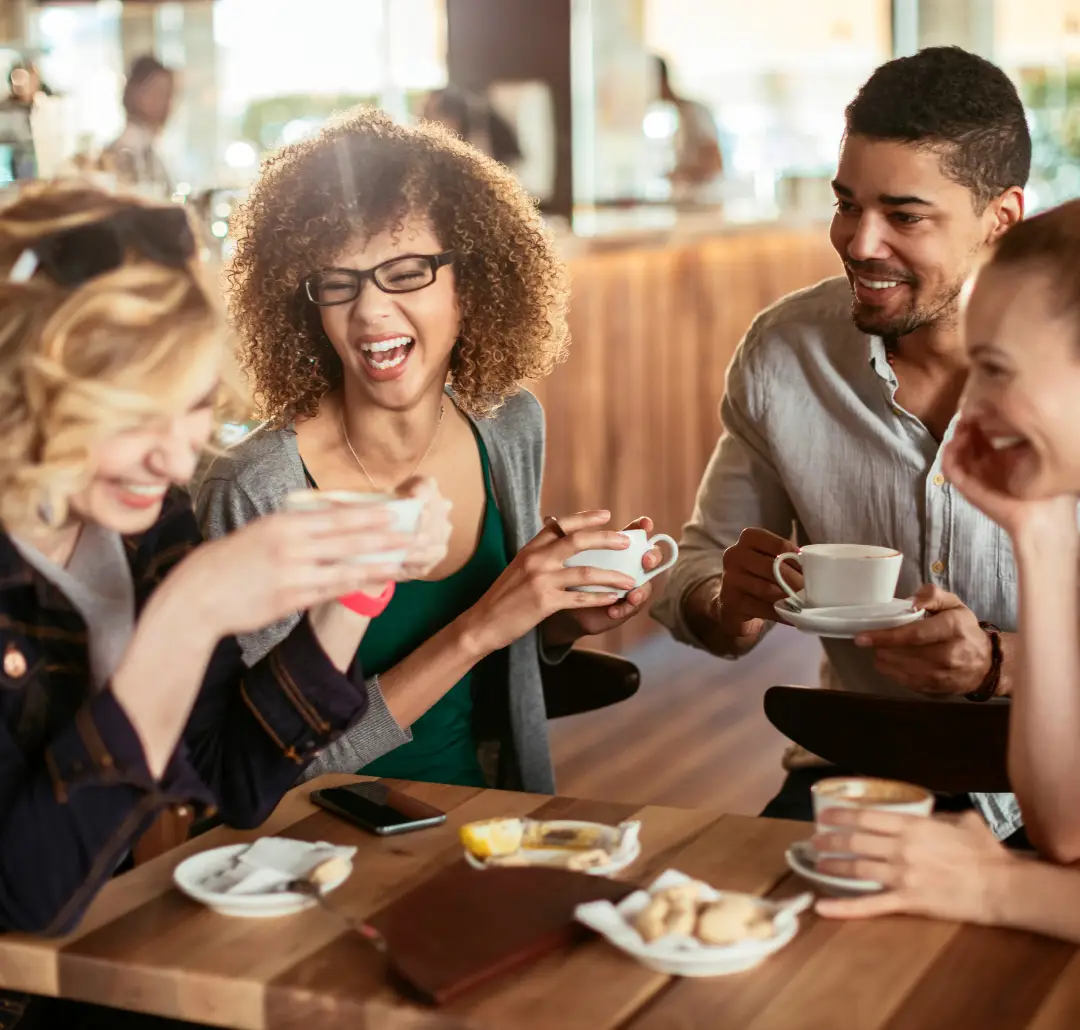
Coffee Builds Social Connection
Some drinks are consumed privately. Coffee thrives socially.
How many conversations begin with:
- Want to grab coffee?
- Let’s meet at a café.
- Coffee tomorrow morning?
Coffee settings reduce pressure. They are casual, accessible, and familiar.
That makes coffee one of the world’s most effective social tools.
Café Culture Is a Real Lifestyle Ecosystem
Cafés are not just stores selling beverages. They often function as:
- Third spaces outside home and work
- Creative environments
- Study zones
- Community hubs
- Networking venues
- Places for solitude in public
From Milan espresso bars to modern cafés in Karachi, coffee spaces shape urban life.
Coffee Inspires Craft and Hobbyism
Many people move from drinking coffee to practicing coffee.
That includes:
- Grinding fresh beans
- Learning brew ratios
- Latte art
- Home espresso setups
- Tasting origins
- Roasting beans
- Collecting brewers
Once people enter this world, coffee becomes part hobby, part craft, part obsession.
Sometimes expensive obsession.
Coffee and Aesthetics
Coffee is tied to mood and visual identity more than many beverages.
Examples:
- Morning sunlight + mug photo
- Desk setup with espresso shot
- Cozy rainy-day café scene
- Minimal kitchen brew station
- Travel café experiences
This is why coffee dominates lifestyle content online.
It photographs well and symbolizes a curated life.
Coffee and Wellness, With Nuance
Many people use coffee as part of wellness routines:
- Pre-workout energy
- Fasting support
- Morning walk companion
- Mindful journaling ritual
- Low-calorie black coffee habits
But coffee can also be misused through:
- Overconsumption
- Anxiety-inducing intake
- Poor sleep habits
- Dependence
Lifestyle only works when it is intentional, not compulsive.
Coffee Connects Global Cultures
Coffee culture is not one thing.
Examples include:
- Italy espresso bar traditions
- Türkiye coffee heritage
- Ethiopia ceremonial coffee traditions
- Japan precision café culture
- Modern specialty scenes worldwide
Coffee lets people participate in both local tradition and global culture.
Why Brands Love Selling Coffee as Lifestyle
Because margins on identity can exceed margins on ingredients.
Many companies are not selling beans, they are selling:
- Belonging
- Taste status
- Productivity image
- Cozy identity
- Premium routine
- Social signaling
Sometimes the coffee is excellent.
Sometimes the branding is doing all the work.
Brutal Truth: Many People Love the Idea of Coffee More Than Coffee Itself
They need syrup, sugar, branding, playlists, logos, and aesthetics to enjoy it.
Nothing wrong with enjoying experience, but know what you’re actually buying.
Sometimes it is coffee.
Sometimes it is identity packaging.
How to Make Coffee a Healthy Lifestyle
Use coffee to support life, not control it.
Good examples:
- Consistent morning ritual
- Social connection
- Mindful breaks
- Learning a craft
- Better focus
- Enjoying quality over quantity
Bad examples:
- Needing caffeine to function daily
- Spending irrationally for image
- Sacrificing sleep
- Using coffee to mask burnout
Final Thoughts
Coffee is more than a drink because humans made it more than a drink. We attached ritual, meaning, community, productivity, comfort, and identity to it.
That is why coffee endures across generations and cultures.

Deal of Day
Shop
Visit Our Store!
Discover products inspired by our blog — click here to explore the store.
Visit NowEvents
Events-Coffee Culture Live
Don’t miss out on exclusive coffee events and community gatherings.
Coming Soon
Jobs
Subscribe now
Subscribe to our newsletter today for a chance to win a FREE one year coffee subscription after your first order!


