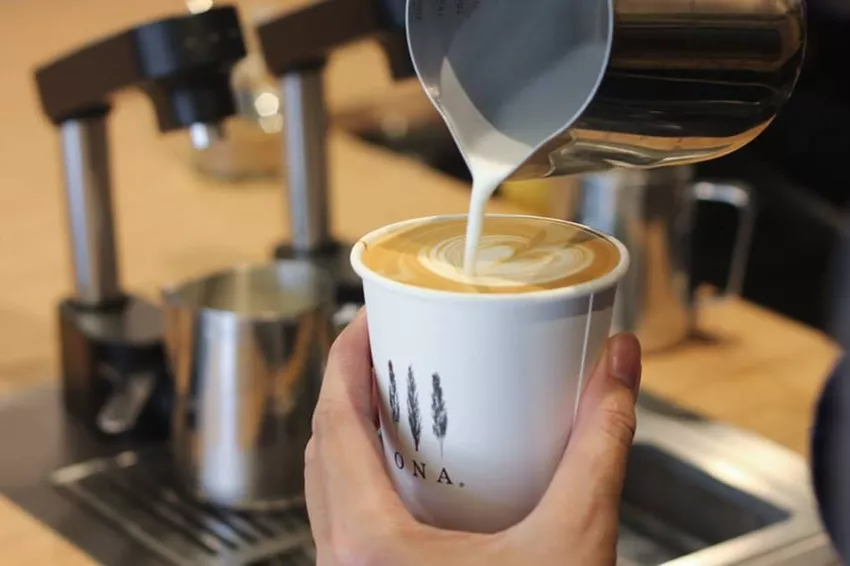
What is Specialty Coffee?
Table of Contents
- What Makes Coffee Specialty Coffee?
- High Quality Beans
- Traceable Origins
- Careful Harvesting
- Advanced Processing Methods
- Precise Roasting
- Skilled Brewing
- What Does Specialty Coffee Taste Like?
- Difference Between Specialty Coffee and Commercial Coffee
- Why Specialty Coffee Became Popular
- Consumer Interest in Quality
- Café Culture Growth
- Transparency and Ethics
- Social Media and Coffee Education
- Global Coffee Competitions
- Specialty Coffee and Sustainability
- What Is Third Wave Coffee?
- Popular Specialty Coffee Brewing Methods
- Pour Over
- Espresso
- AeroPress
- French Press
- Cold Brew
- Why Coffee Lovers Enjoy Specialty Coffee
- Flavor Variety
- Craftsmanship
- Freshness
- Coffee Education
- Café Experience
- Is Specialty Coffee More Expensive?
- How to Start Exploring Specialty Coffee
- The Future of Specialty Coffee
- Final Thoughts

What is Specialty Coffee?
- Adam Smith
- 10-16-2024
- 05-06-2026
- 236245 views
- coffeepedia
Specialty coffee refers to high quality coffee that is carefully grown, harvested, processed, roasted, and brewed to achieve the best possible flavor experience. Unlike mass produced commercial coffee, specialty coffee focuses on quality, traceability, craftsmanship, and unique flavor characteristics.
The term is widely used in the modern coffee industry to describe coffee that scores highly according to professional grading standards and offers distinctive taste profiles linked to origin, processing methods, and roasting quality.
Specialty coffee has become a global movement that values transparency, sustainability, and the artistry behind every cup.
What Makes Coffee Specialty Coffee?
Specialty coffee is not just about expensive beans or fancy cafés. It follows strict quality standards throughout the entire supply chain.
Several factors determine whether coffee qualifies as specialty coffee.
High Quality Beans
The coffee beans must be carefully cultivated and contain very few defects.
Professional coffee graders, known as Q graders, evaluate the beans based on:
- Flavor
- Aroma
- Acidity
- Sweetness
- Balance
- Body
- Cleanliness
Specialty coffee typically scores 80 points or higher on a 100 point scale established by coffee industry standards.
Traceable Origins
Specialty coffee often highlights where the beans come from.
Labels may include:
- Country
- Region
- Farm
- Altitude
- Producer name
This transparency helps coffee lovers understand how origin affects flavor.
Careful Harvesting
Many specialty coffees are hand picked to ensure only ripe cherries are selected.
Selective harvesting improves consistency and cup quality.
Advanced Processing Methods
Coffee processing significantly influences flavor.
Common specialty coffee processing methods include:
- Washed process
- Natural process
- Honey process
- Experimental fermentations
Each method creates different taste characteristics.
Precise Roasting
Specialty coffee roasting focuses on highlighting the natural flavors of the beans rather than masking them with extremely dark roasting.
Roasters carefully control:
- Temperature
- Development time
- Roast profile
The goal is to preserve flavor complexity.
Skilled Brewing
Brewing methods also matter in specialty coffee culture.
Popular brewing methods include:
- Pour over
- Espresso
- AeroPress
- French press
- Siphon brewing
Precise brewing helps showcase the coffee’s full flavor potential.
What Does Specialty Coffee Taste Like?
Specialty coffee is known for having more distinct and complex flavors than commercial coffee.
Depending on origin and processing, tasting notes may include:
- Chocolate
- Caramel
- Citrus
- Berry
- Floral notes
- Tropical fruit
- Nuts
- Honey
- Tea like characteristics
Unlike low quality coffee, specialty coffee often tastes cleaner, sweeter, and more balanced.
Difference Between Specialty Coffee and Commercial Coffee
Specialty Coffee
- Higher quality beans
- Traceable sourcing
- More flavor complexity
- Carefully roasted
- Often ethically sourced
- Smaller batch production
Commercial Coffee
- Mass produced
- Focused on consistency over flavor
- Often heavily roasted
- Less traceability
- Lower quality standards
Specialty coffee emphasizes craftsmanship, while commercial coffee prioritizes large scale production.
Why Specialty Coffee Became Popular
Several factors helped specialty coffee grow worldwide.
Consumer Interest in Quality
People began seeking better tasting coffee experiences.
Café Culture Growth
Modern coffee shops introduced customers to manual brewing and premium beans.
Transparency and Ethics
Consumers became more interested in knowing where coffee comes from and how farmers are treated.
Social Media and Coffee Education
Online coffee communities helped spread knowledge about brewing, roasting, and tasting.
Global Coffee Competitions
Barista championships and coffee events increased awareness of specialty coffee standards.
Specialty Coffee and Sustainability
Many specialty coffee businesses focus strongly on sustainability and ethical sourcing.
This often includes:
- Fairer farmer relationships
- Direct trade practices
- Environmentally responsible farming
- Higher quality production standards
Because specialty coffee values long term quality, sustainability often becomes an important part of the process.
What Is Third Wave Coffee?
Specialty coffee is closely connected to the “third wave coffee” movement.
The three waves are often described as:
First Wave
Coffee as a basic household product.
Second Wave
Coffee shop culture and espresso drinks become mainstream.
Third Wave
Coffee treated as an artisanal product similar to wine or craft chocolate.
Specialty coffee is a major part of third wave coffee culture.
Popular Specialty Coffee Brewing Methods
Different brewing methods highlight different flavor characteristics.
Pour Over
Known for clarity and delicate flavor notes.
Espresso
Creates concentrated and intense coffee flavor.
AeroPress
Offers flexibility and smooth extraction.
French Press
Produces heavier body and rich texture.
Cold Brew
Creates smooth and low acidity coffee.
Each method changes how specialty coffee tastes.
Why Coffee Lovers Enjoy Specialty Coffee
People appreciate specialty coffee for many reasons.
Flavor Variety
Different origins and processes create unique taste experiences.
Craftsmanship
Specialty coffee involves skill at every stage.
Freshness
Beans are often roasted in small batches for quality.
Coffee Education
The specialty coffee world encourages learning about origins, brewing, and tasting.
Café Experience
Specialty cafés often provide a more refined and personalized coffee environment.
Is Specialty Coffee More Expensive?
Usually, yes.
Specialty coffee often costs more because of:
- Higher farming standards
- Careful harvesting
- Smaller production batches
- Skilled roasting
- Better sourcing practices
Many coffee enthusiasts believe the improved quality justifies the higher price.
How to Start Exploring Specialty Coffee
For beginners interested in specialty coffee, a few simple steps can help.
Try Single Origin Coffees
These highlight specific regional flavors.
Experiment With Brewing Methods
Different methods reveal different characteristics.
Visit Specialty Cafés
Baristas can help explain flavor profiles and brewing techniques.
Buy Freshly Roasted Beans
Freshness greatly improves flavor quality.
Learn Basic Coffee Tasting
Pay attention to sweetness, acidity, body, and aroma.
The Future of Specialty Coffee
The specialty coffee industry continues evolving rapidly.
Emerging trends include:
- Sustainable farming
- Experimental processing
- Precision brewing technology
- Direct farmer relationships
- Climate conscious coffee production
As consumers become more educated about coffee, demand for quality and transparency continues growing.
Final Thoughts
Specialty coffee represents the highest level of quality, craftsmanship, and care in the coffee industry. From farming and roasting to brewing and serving, every step focuses on creating exceptional flavor and a more meaningful coffee experience.
For coffee lovers, specialty coffee is more than just caffeine. It is an exploration of flavor, origin, culture, and artistry that transforms coffee into something far beyond an ordinary daily drink.

Deal of Day
Shop
Visit Our Store!
Discover products inspired by our blog — click here to explore the store.
Visit NowEvents
Events-Coffee Culture Live
Don’t miss out on exclusive coffee events and community gatherings.
Coming Soon
Jobs

Subscribe now
Subscribe to our newsletter today for a chance to win a FREE one year coffee subscription after your first order!


