How To Roast Coffee Beans In a Popcorn Popper: An Easy Guide



How To Roast Coffee Beans In a Popcorn Popper: An Easy Guide
- Adam Smith
- 05-19-2024
- 05-14-2026
- 2126 views
- Coffee Tips
Roasting coffee beans at home may sound complicated, but a popcorn popper can make the process surprisingly simple and affordable. Many coffee enthusiasts use hot air popcorn poppers to roast fresh beans because they heat quickly, circulate air evenly, and create a much fresher flavor than most store bought coffee.
Freshly roasted coffee delivers stronger aroma, deeper flavor, and more control over roast levels. Once you try it, regular pre roasted coffee often feels flat in comparison.
Why Use a Popcorn Popper For Coffee Roasting
Hot air popcorn poppers work well because they move heat around consistently while keeping the beans in motion. This helps roast the beans evenly without constant stirring.
Compared to expensive home roasting machines, popcorn poppers are inexpensive and beginner friendly. They are one of the easiest entry points for learning coffee roasting at home.
However, not every popcorn popper works equally well. Hot air models with side vents usually perform better than models with bottom vents because they circulate beans more evenly during roasting.
What You Need Before Starting
Before roasting, gather a few basic items.
Equipment
- Hot air popcorn popper
- Green unroasted coffee beans
- Large metal bowl or colander
- Wooden spoon
- Oven mitts or heat resistant gloves
- Airtight container for storage
Coffee Beans
Choose quality green coffee beans from a trusted supplier. Different origins produce different flavor profiles, so experimenting with beans from countries like Ethiopia, Colombia, or Brazil can dramatically change your results.
Step By Step Coffee Roasting Process
Roasting coffee with a popcorn popper moves quickly, so preparation matters.
Step 1: Set Up In a Ventilated Area
Coffee roasting creates smoke and chaff, which is the thin outer skin that separates from the beans during roasting.
Roast outdoors if possible, or near strong ventilation to avoid smoke buildup inside your home.
Step 2: Preheat The Popper
Turn the popcorn popper on for around thirty seconds before adding beans. This stabilizes the heat and helps the roasting process start evenly.
Step 3: Add The Coffee Beans
Pour a small amount of green coffee beans into the chamber. Do not overfill it because the beans need room to move freely.
Most popcorn poppers handle around half a cup of beans comfortably.
Step 4: Watch The Color Changes
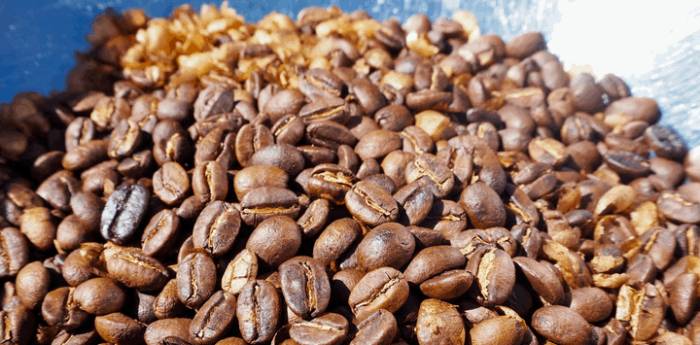
The beans will gradually change from green to yellow and eventually to different shades of brown.
During this stage, the smell also changes dramatically, moving from grassy and earthy to warm and toasted.
Understanding Coffee Roast Levels
Roasting is all about timing and listening carefully.
First Crack
After a few minutes, you will hear popping sounds called the first crack. This stage marks the beginning of light roast coffee.
Light roasts preserve more acidity and origin flavors, making them brighter and fruitier.
Medium Roast
Continuing slightly beyond the first crack develops a medium roast with more balance and sweetness.
This roast level is popular because it combines smoothness with good flavor complexity.
Second Crack
If roasting continues, you will hear a quieter and sharper cracking sound known as the second crack.
This stage produces darker roasts with bolder flavor and less acidity. Going too far beyond this point can quickly burn the beans.
Cooling The Beans Quickly
Once the beans reach your preferred roast level, immediately pour them into a metal bowl or colander.
Stir or shake them continuously to cool them down fast. Rapid cooling stops the roasting process and prevents over roasting.
You will also notice loose chaff separating from the beans during this step.
Let The Coffee Rest Before Brewing
Freshly roasted coffee releases carbon dioxide for several hours after roasting. Letting the beans rest for at least twelve to twenty four hours improves flavor and extraction.
Store the beans in an airtight container away from direct sunlight and moisture.
Common Mistakes To Avoid
Overfilling The Popper
Too many beans prevent proper movement and create uneven roasting.
Ignoring Smoke
Dark roasts produce significant smoke. Poor ventilation can become uncomfortable very quickly.
Roasting Too Slowly
Coffee beans roast best with strong and consistent heat. Weak airflow or low temperature can create baked and dull tasting coffee.
Burning The Beans
The time between perfectly roasted and burnt coffee is surprisingly short. Stay attentive during the final stages.
Is Home Roasting Worth It
For coffee enthusiasts, home roasting offers far more than cost savings. It provides complete control over roast level, freshness, and flavor experimentation.
You can test different beans, create custom roast profiles, and enjoy coffee at peak freshness in a way most packaged coffee cannot match.
While there is a learning curve, using a popcorn popper keeps the process approachable and affordable for beginners.
Final Thoughts
Roasting coffee beans in a popcorn popper is one of the easiest and most budget friendly ways to start exploring home coffee roasting. With a little practice, you can create fresh and flavorful coffee tailored exactly to your taste preferences.
The key is paying attention to heat, sound, color changes, and timing. Once you understand those basics, even a simple popcorn popper can produce surprisingly impressive coffee at home.




Deal of Day
Shop
Visit Our Store!
Discover products inspired by our blog — click here to explore the store.
Visit NowEvents

Events-Coffee Culture Live
Don’t miss out on exclusive coffee events and community gatherings.
Coming Soon
Jobs


Subscribe now
Subscribe to our newsletter today for a chance to win a FREE one year coffee subscription after your first order!