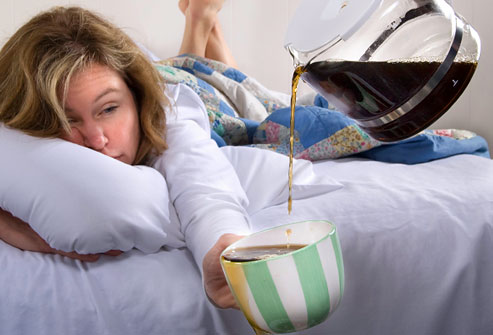
Why people drink coffee for the hangover?
Table of Contents
- What Happens During a Hangover
- Why Coffee Feels Helpful After Drinking
- Coffee Helps Morning Routine Feel Normal Again
- Coffee Can Narrow Blood Vessels
- The Psychological Comfort Factor
- Does Coffee Actually Cure a Hangover
- Negative Effects of Coffee During a Hangover
- Increased Anxiety and Jitters
- Stomach Irritation
- False Sense of Recovery
- Better Ways to Recover from a Hangover
- Is Coffee Bad for Hangovers
- Final Thoughts




Why people drink coffee for the hangover?
- Shelli Galici
- 11-01-2018
- 05-20-2026
- 2104 views
- Featured Articles, Coffee Tips, Information
After a night of heavy drinking, many people instinctively reach for coffee the next morning. Whether it is a strong espresso, black coffee, or a large iced latte, coffee is often treated like a quick recovery tool for hangovers.
The reason is simple. Alcohol commonly leaves people feeling exhausted, foggy, dehydrated, sluggish, and mentally unfocused. Coffee, especially because of caffeine, creates a temporary feeling of alertness that can make someone feel more functional.
But the relationship between coffee and hangovers is more complicated than most people realize.
What Happens During a Hangover
A hangover is the body’s response to excessive alcohol consumption. Alcohol affects multiple systems in the body, including hydration, sleep quality, blood sugar balance, and brain chemistry.
Common hangover symptoms include:
Headaches
Fatigue
Nausea
Brain fog
Sensitivity to light
Dry mouth
Low energy
Poor concentration
Anxiety or irritability
Even after sleeping, many people wake up feeling mentally and physically drained because alcohol disrupts proper sleep recovery.
Why Coffee Feels Helpful After Drinking
Caffeine Increases Alertness
The biggest reason people drink coffee during a hangover is caffeine stimulation.
Caffeine blocks adenosine, a chemical linked to tiredness and sleepiness. This can temporarily improve:
Mental focus
Wakefulness
Reaction time
Energy perception
After alcohol leaves someone feeling exhausted, coffee may create the illusion of recovery by making them feel more awake.
Coffee Helps Morning Routine Feel Normal Again
For regular coffee drinkers, skipping caffeine during a hangover may actually make things feel worse.
Someone who normally drinks coffee every morning might experience:
Caffeine withdrawal headaches
Extra fatigue
Mood drops
Reduced concentration
Drinking coffee restores their usual caffeine level, which can feel relieving during a hangover morning.
Coffee Can Narrow Blood Vessels
Some hangover headaches are connected to blood vessel expansion caused by alcohol. Caffeine can temporarily constrict blood vessels, which may reduce headache intensity for some people.
However, this effect varies from person to person.
The Psychological Comfort Factor
Coffee is strongly connected to routine and comfort. During a hangover, people often crave familiar habits that make them feel normal again.
The warmth, aroma, and ritual of coffee can create a sense of recovery even before the caffeine fully kicks in.
Does Coffee Actually Cure a Hangover
No. Coffee does not cure hangovers.
It may temporarily mask certain symptoms like fatigue and mental fog, but it does not reverse the biological effects of alcohol.
Alcohol recovery still depends mainly on:
Hydration
Time
Sleep
Electrolyte balance
Nutrition
Rest
Coffee only changes how awake someone feels temporarily.
Negative Effects of Coffee During a Hangover
Coffee Can Increase Dehydration Feelings
Alcohol already contributes to dehydration, and excessive caffeine may worsen dry mouth or dehydration symptoms in some people.
This is especially true if someone drinks strong coffee without water.
Increased Anxiety and Jitters
Hangovers already place stress on the nervous system. Combining this with large amounts of caffeine may increase:
Anxiety
Rapid heartbeat
Restlessness
Nervousness
Some people feel significantly worse after drinking too much coffee while hungover.
Stomach Irritation
Alcohol irritates the stomach lining, and coffee can increase stomach acid production.
This combination may worsen:
Nausea
Acid reflux
Stomach discomfort
Digestive irritation
False Sense of Recovery
One of the biggest problems is that coffee can make people feel more awake than they actually are.
A person may still have:
Poor coordination
Slow reaction times
Mental fatigue
Dehydration
Even if caffeine temporarily increases alertness.
Better Ways to Recover from a Hangover
Coffee may help some people feel functional, but proper recovery focuses on supporting the body.
Drink Water
Hydration is critical after alcohol consumption.
Eat Balanced Food
Foods containing protein, carbohydrates, and electrolytes may help restore energy levels.
Sleep and Rest
The body needs time to recover from disrupted sleep cycles caused by alcohol.
Avoid Excessive Caffeine
Moderate coffee intake is usually better than consuming multiple strong energy drinks or excessive espresso shots.
Is Coffee Bad for Hangovers
Not necessarily. Moderate coffee consumption during a hangover is generally tolerated by many people, especially regular coffee drinkers.
The key issue is expectations. Coffee may reduce tiredness temporarily, but it does not repair the body or eliminate hangover effects.
For some individuals, coffee improves mood and focus during recovery. For others, it worsens anxiety, dehydration, or stomach discomfort.
Final Thoughts
People drink coffee for hangovers mainly because caffeine helps reduce feelings of fatigue and mental fog after alcohol consumption. Coffee also provides psychological comfort and helps many people return to their normal morning routine.
However, coffee is not a true hangover cure. It only masks certain symptoms temporarily while the body continues recovering from alcohol’s effects.
Hydration, sleep, nutrition, and time remain the most important factors in hangover recovery. Coffee can be part of that recovery process for some people, but moderation matters far more than simply drinking stronger caffeine.




Deal of Day
Shop
Visit Our Store!
Discover products inspired by our blog — click here to explore the store.
Visit NowEvents

Events-Coffee Culture Live
Don’t miss out on exclusive coffee events and community gatherings.
Coming Soon
Jobs

Subscribe now
Subscribe to our newsletter today for a chance to win a FREE one year coffee subscription after your first order!