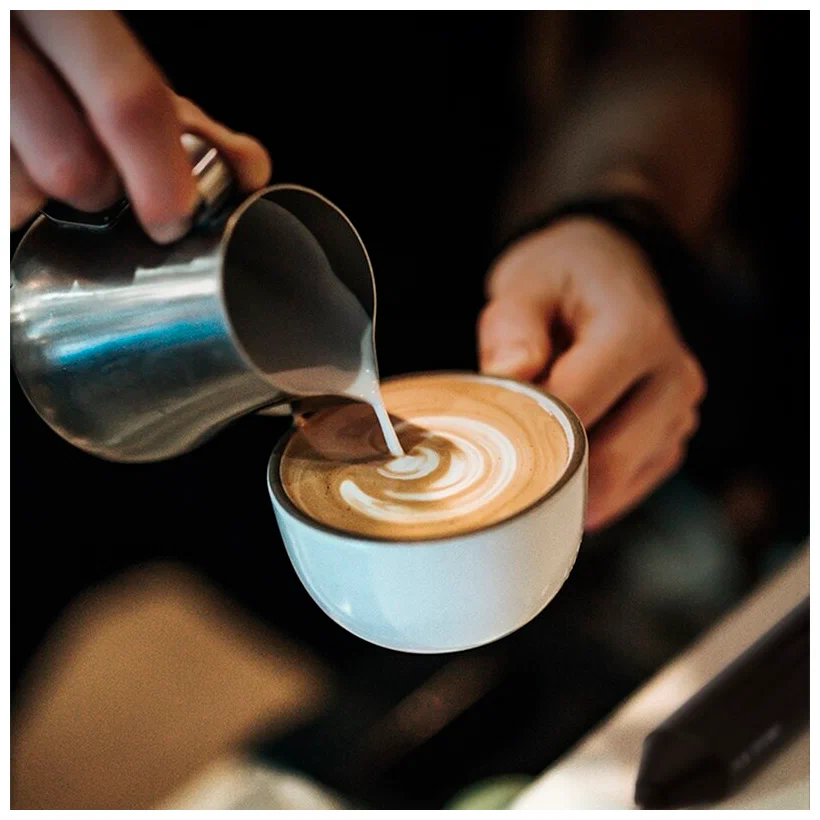
How to Make Barista-Style Coffee at Home
Table of Contents
- Start With Fresh Coffee Beans
- Grind Coffee Correctly
- Use Good Water
- Learn Basic Espresso Preparation
- Steam Milk Properly
- Master Popular Barista Style Drinks
- Cappuccino
- Latte
- Americano
- Mocha
- Flat White
- Use Proper Coffee Ratios
- Keep Equipment Clean
- Practice and Experiment
- Create the Coffee Shop Experience at Home
- Final Thoughts

How to Make Barista-Style Coffee at Home
- Adam Smith
- 12-13-2024
- 05-18-2026
- 3262 views
- Information
Making barista style coffee at home is easier than many people think. You do not need a professional café setup to create rich, smooth, and flavorful coffee. What matters most is understanding the basics of coffee preparation and paying attention to small details that affect quality.
Great coffee at home comes from combining fresh ingredients, proper brewing techniques, and consistency. Once you learn the fundamentals, you can create café quality drinks without leaving your kitchen.
Start With Fresh Coffee Beans
The quality of coffee always begins with the beans. Freshly roasted beans contain natural oils and aromas that create deeper flavor and better texture.
For better home coffee:
• Buy whole beans instead of pre ground coffee
• Check roast dates before purchasing
• Store beans in airtight containers
• Keep coffee away from heat and moisture
Fresh beans make a major difference in aroma, crema, and flavor complexity.
Grind Coffee Correctly
Grinding coffee properly is one of the biggest secrets behind café quality coffee.
Different brewing methods require different grind sizes.
Coarse Grind
Best for French press and cold brew
Medium Grind
Best for drip coffee and pour over
Fine Grind
Best for espresso machines
Grinding coffee just before brewing helps preserve freshness and improves flavor extraction.
A burr grinder usually produces more consistent results than a blade grinder.
Use Good Water
Coffee is mostly water, so water quality directly affects taste.
For smoother and cleaner coffee:
• Use filtered water when possible
• Avoid stale or heavily chlorinated water
• Heat water properly without over boiling
The ideal brewing temperature is generally between 90 to 96 degrees Celsius.
Learn Basic Espresso Preparation
Espresso is the foundation of many barista style drinks such as lattes, cappuccinos, and americanos.
A balanced espresso shot should have:
• Rich aroma
• Smooth flavor
• Golden crema on top
• Balanced bitterness and sweetness
Important espresso factors include:
• Fine grind size
• Proper tamping
• Correct extraction time
• Fresh coffee beans
Even small adjustments can dramatically improve espresso quality.
Steam Milk Properly
Milk texture is what separates ordinary homemade coffee from café style drinks.
Well steamed milk should feel:
• Smooth
• Silky
• Creamy
• Lightly foamy
Avoid large bubbles or stiff foam. The goal is microfoam, which blends smoothly with espresso.
Different milk options create different textures:
• Whole milk creates richer foam
• Oat milk produces smooth texture
• Almond milk creates lighter foam
Master Popular Barista Style Drinks
Once you understand espresso and milk steaming, you can make many café favorites at home.
Cappuccino
Equal parts espresso, steamed milk, and foam
Latte
More steamed milk with light foam for smoother texture
Americano
Espresso mixed with hot water for lighter strength
Mocha
Espresso combined with chocolate and milk
Flat White
Strong espresso flavor with thin silky milk texture
Learning these basics allows endless customization.
Use Proper Coffee Ratios
Consistency matters heavily in coffee making.
A common espresso starting point is:
• Around eighteen to twenty grams of coffee for double espresso
Balanced ratios help maintain flavor consistency and prevent weak or bitter coffee.
Digital scales can improve precision significantly.
Keep Equipment Clean
Dirty coffee equipment quickly affects taste.
Old coffee oils and milk residue can create:
• Bitter flavor
• Sour smell
• Poor extraction
• Weak milk texture
Important cleaning habits include:
• Rinsing equipment after use
• Cleaning steam wands immediately
• Descaling machines regularly
• Removing old coffee grounds
Clean equipment protects both flavor and machine performance.
Practice and Experiment
Baristas improve through repetition and experimentation. Coffee brewing is sensitive, and small adjustments create noticeable differences.
Experiment with:
• Grind size
• Extraction time
• Milk texture
• Coffee beans
• Brewing temperature
Over time, you begin understanding how each factor changes flavor and balance.
Create the Coffee Shop Experience at Home
Barista style coffee is not only about taste. Atmosphere and routine also matter.
Simple touches can improve the experience:
• Use quality cups
• Warm cups before serving
• Try latte art practice
• Pair coffee with pastries or snacks
• Create a relaxing coffee routine
These details help transform ordinary coffee into a café like experience.
Final Thoughts
Making barista style coffee at home is about understanding the balance between technique, ingredients, and consistency. Fresh beans, proper grinding, quality water, and milk preparation all contribute to creating café quality drinks.
You do not need to become a professional barista overnight. Small improvements in brewing habits can dramatically upgrade your coffee experience at home.
At its core, barista style coffee is not just about making caffeine. It is about creating coffee that feels smooth, satisfying, and worth looking forward to every day.

Deal of Day
Shop
Visit Our Store!
Discover products inspired by our blog — click here to explore the store.
Visit NowEvents
Events-Coffee Culture Live
Don’t miss out on exclusive coffee events and community gatherings.
Coming Soon
Jobs

Subscribe now
Subscribe to our newsletter today for a chance to win a FREE one year coffee subscription after your first order!


