Mistakes Everyone Makes With Pancakes
Table of Contents
- Overmixing the Batter
- Using the Wrong Pan Temperature
- Pan Too Hot
- Pan Too Cool
- Flipping Too Early
- Pressing Pancakes While Cooking
- Using Old Baking Powder
- Measuring Flour Incorrectly
- Skipping Batter Rest Time
- Adding Too Much Batter to the Pan
- Using Too Much Oil or Butter
- Ignoring Ingredient Temperature
- Not Adjusting for Different Pancake Styles
- Too Many Add Ins Can Ruin Texture
- Pancake Texture Depends on Balance
- Why Restaurant Pancakes Often Taste Better
- Final Thoughts



Mistakes Everyone Makes With Pancakes
- azeem memon
- 05-30-2024
- 05-18-2026
- 550355 views
- Information
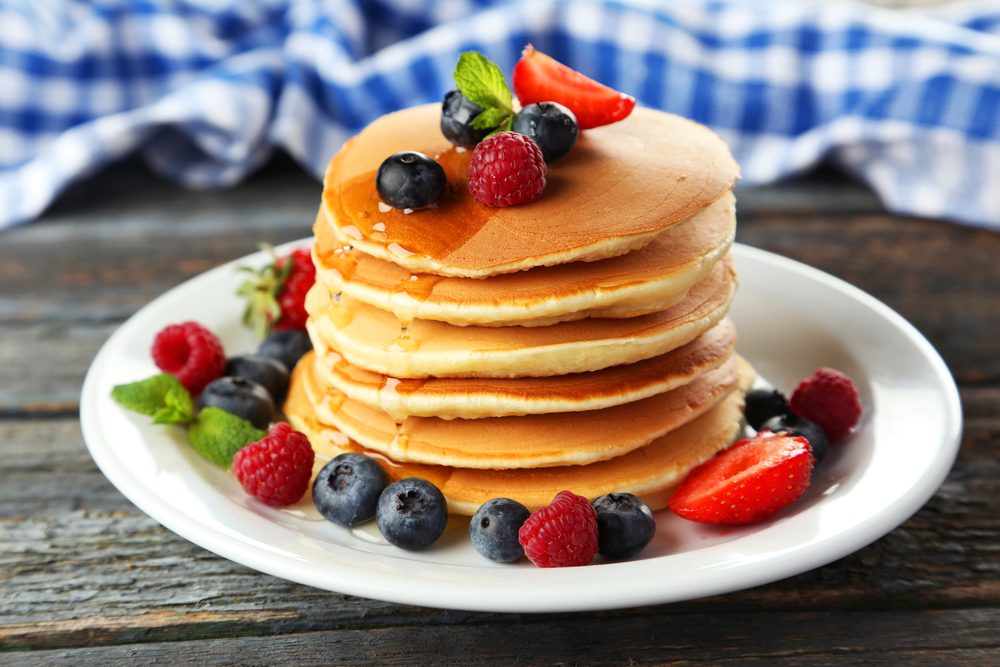
Pancakes may seem simple to make, but creating truly soft, fluffy, golden, and flavorful pancakes is harder than most people expect. Many homemade pancakes turn out flat, rubbery, dry, unevenly cooked, or lacking the light texture people associate with restaurant style breakfasts.
The good news is that most pancake problems come from a few common mistakes that are easy to fix once you understand the basics. Small adjustments in mixing, heat control, timing, and ingredients can completely change the final result.
If your pancakes never turn out as good as you want, chances are you are making at least one of these common mistakes.
Overmixing the Batter
One of the biggest pancake mistakes is overmixing.
Many people continue stirring until the batter looks perfectly smooth, but this actually creates tougher pancakes.
Overmixing develops too much gluten, which can make pancakes:
• Dense
• Chewy
• Rubbery
• Flat
Pancake batter should look slightly lumpy rather than perfectly smooth.
A few small lumps are completely normal and help create softer texture.
Using the Wrong Pan Temperature
Heat control is one of the most important parts of making pancakes properly.
Pan Too Hot
If the pan is too hot:
• Pancakes burn outside quickly
• Inside stays raw
• Surface darkens unevenly
Pan Too Cool
If the pan is too cool:
• Pancakes spread too much
• Texture becomes dry
• Pancakes lose fluffy structure
Medium heat usually creates the best balance for even cooking and golden color.
Flipping Too Early
Many people flip pancakes too soon because they rush the process.
A pancake is usually ready to flip when:
• Bubbles appear across the surface
• Edges begin setting
• Bottom turns golden brown
Flipping early often creates broken or undercooked pancakes.
Patience matters more than constant flipping.
Pressing Pancakes While Cooking
A very common mistake is pressing pancakes down with a spatula while they cook.
People often do this thinking it helps them cook faster, but it actually pushes air out of the batter.
This reduces fluffiness and creates:
• Dense texture
• Dry pancakes
• Less rise
Pancakes need space to expand naturally while cooking.
Using Old Baking Powder
Baking powder is responsible for helping pancakes rise and become fluffy.
If baking powder is old or inactive, pancakes may turn out:
• Flat
• Heavy
• Dense
Many people overlook this because the batter still looks normal before cooking.
Fresh leavening ingredients make a major difference in pancake texture.
Measuring Flour Incorrectly
Too much flour is another major cause of heavy pancakes.
Common problems from excess flour include:
• Thick batter
• Dry texture
• Dense pancakes
Scooping flour directly with measuring cups often packs too much flour into the recipe.
Lighter measuring methods usually create better texture.
Skipping Batter Rest Time
Many people cook pancake batter immediately after mixing, but allowing it to rest briefly can improve texture significantly.
Resting helps:
• Hydrate flour properly
• Relax gluten
• Improve fluffiness
• Create smoother cooking consistency
Even a short rest period can improve the final pancakes noticeably.
Adding Too Much Batter to the Pan
Overly large pancakes often cook unevenly.
Problems include:
• Burned edges
• Raw centers
• Difficult flipping
Smaller pancakes usually cook more evenly and maintain better texture.
Using Too Much Oil or Butter
Excess grease in the pan can create uneven browning and greasy texture.
Too much fat often causes:
• Patchy pancake surfaces
• Fried texture instead of soft texture
• Uneven cooking color
A lightly greased pan usually works best.
Ignoring Ingredient Temperature
Cold ingredients can affect batter consistency and cooking performance.
Using room temperature ingredients often helps create:
• Better mixing
• More even texture
• Improved rise
Cold eggs or milk may slightly reduce batter performance.
Not Adjusting for Different Pancake Styles
Different pancake styles require different expectations and techniques.
American Style Pancakes
Thicker and fluffier
Crepes
Thin and delicate
Japanese Soufflé Pancakes
Very airy and tall
Buttermilk Pancakes
Tangier and softer
Trying to cook every pancake exactly the same often leads to disappointment.
Too Many Add Ins Can Ruin Texture
Chocolate chips, fruit, nuts, and other ingredients can improve flavor, but too many additions may create problems.
Overloading batter can cause:
• Uneven cooking
• Broken pancakes
• Excess moisture
• Reduced fluffiness
Balance matters more than stuffing pancakes with ingredients.
Pancake Texture Depends on Balance
Good pancakes come from balancing several factors together:
• Proper mixing
• Correct heat
• Fresh ingredients
• Timing
• Batter consistency
Even small mistakes can affect the final result significantly.
Why Restaurant Pancakes Often Taste Better
Restaurant pancakes often succeed because professional kitchens maintain:
• Consistent heat
• Measured ingredients
• Proper resting time
• Experienced technique
Small details create surprisingly large differences in texture and flavor.
Final Thoughts
Pancakes may look simple, but great pancakes depend heavily on technique, timing, and balance. Overmixing, incorrect heat, flipping too early, and poor ingredient handling are some of the biggest mistakes people make at home.
The good news is that pancakes improve quickly once these common problems are corrected. Small changes can transform flat and dry pancakes into soft, fluffy, and flavorful breakfasts.
At the end of the day, the best pancakes are not about perfection. They are about understanding the simple details that make homemade breakfasts feel warm, comforting, and satisfying.




Deal of Day
Shop
Visit Our Store!
Discover products inspired by our blog — click here to explore the store.
Visit NowEvents

Events-Coffee Culture Live
Don’t miss out on exclusive coffee events and community gatherings.
Coming Soon
Jobs

Subscribe now
Subscribe to our newsletter today for a chance to win a FREE one year coffee subscription after your first order!