What Is Pink Latte? Nutritional Profile, Benefits, Ingredients & Why It’s Trending
Table of Contents
- What is Pink Latte?
- Common Base Ingredients
- Typical Add-ons
- Nutritional Profile
- Taste Profile Explained
- Flavor Notes
- Compared to Traditional Drinks
- How Cafés Prepare It (Barista Method)
- Preparation Steps
- How to Make a Pink Latte at Home
- Ingredients (1 serving)
- Method
- Who Typically Drinks Pink Latte?
- Common Customers
- Variations Around the World
- Conclusion


What Is Pink Latte? Nutritional Profile, Benefits, Ingredients & Why It’s Trending
- azeem memon
- 02-18-2026
- 02-18-2026
- 542 views
- coffeepedia
The coffee world never sits still. In the United States, from New York specialty cafés to West Coast wellness bars latte trends evolve almost seasonally. One year it’s charcoal lattes, the next it’s mushroom coffee, then suddenly matcha dominates Instagram feeds. Worldwide, the pattern repeats: Tokyo experiments with textures, Australia refines milk micro-foam, Scandinavia focuses on purity, and Europe reinvents presentation. Into this constantly shifting landscape arrives a drink that feels both aesthetic and comforting: the pink latte. So naturally people ask: What Is Pink Latte?
Coffee drinkers don’t just want caffeine anymore; they want experience, mood, and personality in a cup. The pink latte satisfies all three visually soothing, mildly sweet, and surprisingly calming. Cafés report customers ordering it even without needing a caffeine boost.
What is Pink Latte?
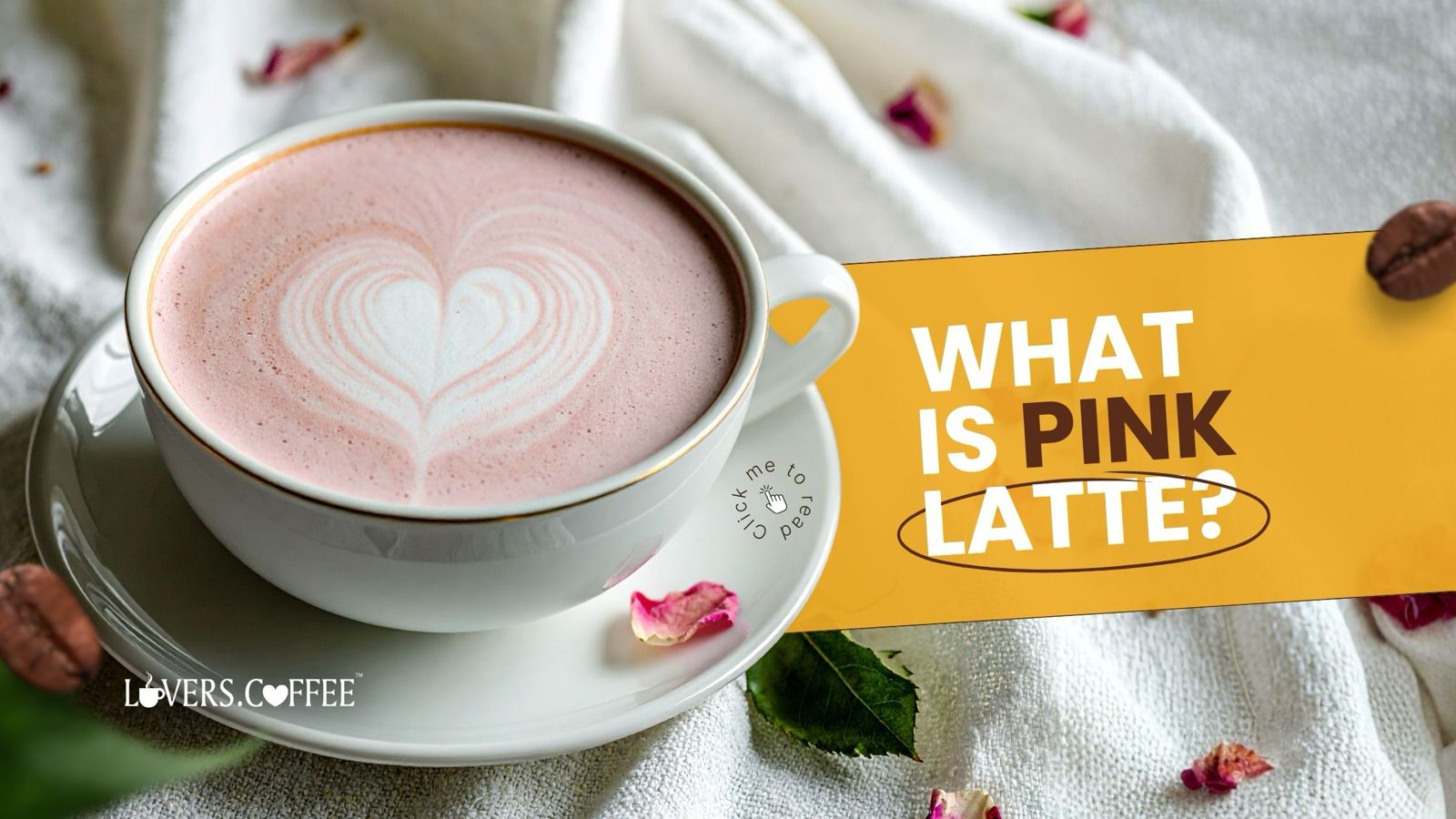
A pink latte is a milk-based hot beverage colored naturally using plant-based ingredients rather than artificial dyes. Despite the name, it often contains no coffee at all.
Common Base Ingredients
- Beetroot powder (most traditional)
- Dragon fruit powder
- Rose petal infusion
- Hibiscus extract
- Strawberry puree (modern café variation)
Typical Add-ons
- Honey or maple syrup
- Vanilla
- Cinnamon or cardamom
- Collagen or adaptogens (wellness cafés)
- Oat, almond, or coconut milk
Nutritional Profile
Unlike espresso drinks, the pink latte is often marketed as a “functional beverage.”
| Component | Typical Amount | Benefit |
|---|---|---|
| Beetroot nitrates | Moderate | Supports circulation |
| Antioxidants | High | Reduces oxidative stress |
| Caffeine | 0 mg | Sleep-friendly |
| Sugar | Low–Medium | Depends on sweetener |
| Calories | 70–150 kcal | Based on milk choice |
Taste Profile Explained
The flavor surprises many first-time drinkers because the color suggests candy sweetness but the taste is subtler.
Flavor Notes
- Earthy (beetroot base)
- Floral (rose/hibiscus)
- Creamy (milk fat)
- Slightly nutty (plant milk versions)
- Light sweetness
Compared to Traditional Drinks
| Drink | Sweetness | Caffeine | Mouthfeel | Purpose |
|---|---|---|---|---|
| Espresso Latte | Low | High | Creamy | Energy |
| Matcha Latte | Mild | Medium | Smooth | Focus |
| Golden Milk | Medium | None | Thick | Relaxation |
| Pink Latte | Mild | None | Soft & velvety | Comfort |
How Cafés Prepare It (Barista Method)
Professional cafés treat pink lattes similarly to matcha preparation precision matters for texture.
Preparation Steps
- Sift beetroot or pink powder (prevents clumping)
- Mix with small amount of warm water (creates paste)
- Steam milk separately
- Combine and whisk
- Pour latte art
How to Make a Pink Latte at Home
Ingredients (1 serving)
- 1 cup milk (any)
- 1 tsp beetroot powder
- ½ tsp honey or maple syrup
- ¼ tsp vanilla extract
- Pinch cinnamon (optional)
Method
- Warm milk gently (do not boil)
- Mix beetroot with 2 tbsp hot water
- Add sweetener & vanilla
- Combine and froth
- Serve immediately
Who Typically Drinks Pink Latte?
This drink created a new demographic in cafés not replacing coffee drinkers, but expanding them.
Common Customers
- Evening café visitors
- Students studying late without caffeine
- Wellness & yoga communities
- Pregnant individuals avoiding caffeine
- People sensitive to acidity
Variations Around the World
Different regions adapted the drink to local tastes.
| Region | Variation | Unique Ingredient |
|---|---|---|
| USA | Beetroot + vanilla | Oat milk |
| Japan | Sakura pink latte | Cherry blossom |
| Australia | Beet + collagen | Functional wellness |
| Europe | Rose latte | Floral infusion |
| Middle East | Hibiscus milk latte | Tart profile |
Conclusion
The pink latte isn’t replacing coffee; it’s redefining what a café beverage can be. Instead of focusing purely on stimulation, it emphasizes ritual, comfort, and aesthetic pleasure. In a world where people increasingly visit cafés to slow down rather than speed up, that matters.
If you want more coffee information, recipes, and seasonal coffee trends, make sure to check our blog daily and explore the Lovers.coffee marketplace for everything you need to make your holiday moments even sweeter.


Deal of Day
Shop
Visit Our Store!
Discover products inspired by our blog — click here to explore the store.
Visit NowEvents

Events-Coffee Culture Live
Don’t miss out on exclusive coffee events and community gatherings.
Coming Soon
Jobs


Subscribe now
Subscribe to our newsletter today for a chance to win a FREE one year coffee subscription after your first order!