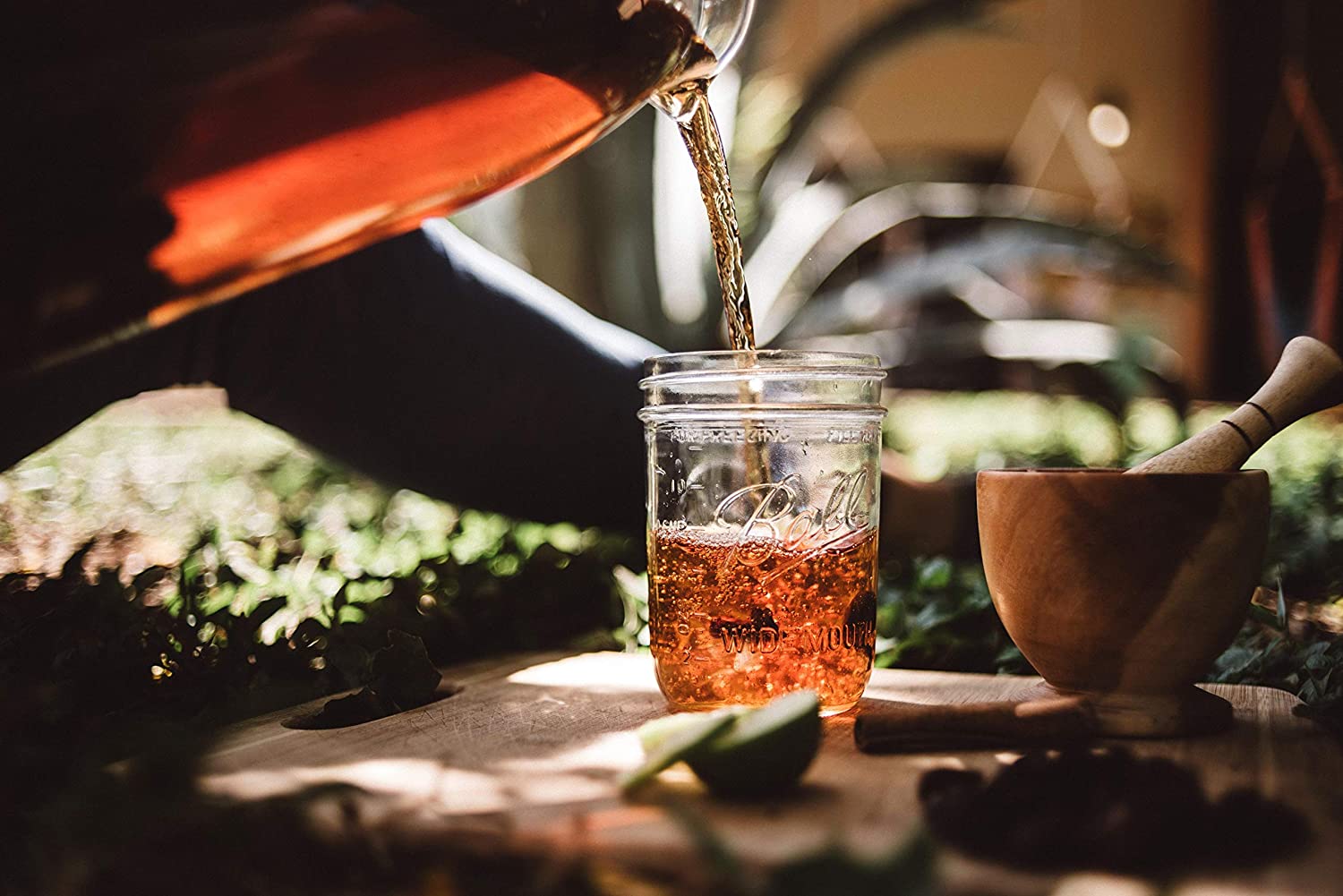
What is Cascara Coffee?




What is Cascara Coffee?
- Mo Bent
- 05-27-2021
- 06-12-2026
- 2275 views
- Featured Articles
Coffee lovers are always searching for new ways to experience the flavors and traditions behind their favorite beverage. While most people are familiar with coffee beans and the drinks made from them, fewer know about cascara, a unique product that comes from the coffee cherry itself. With its naturally sweet taste and fascinating history, cascara has become increasingly popular among coffee enthusiasts looking to explore something different.
Cascara offers an opportunity to appreciate another side of coffee production. Rather than focusing solely on the seeds that become roasted coffee beans, this beverage highlights the often overlooked fruit surrounding those seeds. The result is a drink that is both refreshing and flavorful, bridging the gap between tea and coffee.
Whether you have spotted cascara on a café menu or simply want to expand your coffee knowledge, understanding what it is and how it is enjoyed can deepen your appreciation for coffee culture around the world.
What Is Cascara Coffee?
Cascara coffee is a beverage made from the dried skins and pulp of coffee cherries. The word “cascara” means “husk” or “peel” in Spanish, referring to the outer layers of the coffee fruit that remain after the coffee beans have been removed.
Unlike traditional coffee, which is brewed using roasted coffee beans, cascara is prepared by steeping the dried coffee cherry husks in hot water. This process creates a drink that resembles herbal tea more than conventional coffee.
Because it comes from the coffee plant, many people assume cascara tastes like regular coffee. In reality, its flavor profile is entirely different and often surprises first time drinkers.
The Journey From Coffee Cherry to Cascara
To understand cascara, it helps to know a little about the structure of a coffee cherry.
A coffee cherry consists of several layers:
- The outer skin
- The sweet fruit pulp
- A sticky mucilage layer
- The parchment layer
- The coffee bean inside
During coffee processing, the beans are separated from the surrounding fruit. Traditionally, much of this fruit was discarded or used as compost. However, producers in certain coffee growing regions began drying the fruit and transforming it into a beverage ingredient.
Once harvested, the coffee cherry skins and pulp are carefully dried to preserve their flavor. After drying, they are packaged and prepared for brewing as cascara.
The Flavor Profile of Cascara
One of the most appealing aspects of cascara is its distinctive taste. It does not resemble black coffee and lacks the roasted bitterness that many people associate with coffee drinks.
Instead, cascara is often described as having notes of:
- Dried fruit
- Raisins
- Hibiscus
- Rose hips
- Cherry
- Honey
- Brown sugar
- Tamarind
The exact flavor can vary depending on factors such as the coffee variety, processing method, and region where the coffee was grown.
Is Cascara Sweet?
Cascara naturally contains sugars from the coffee fruit, which contribute to its gentle sweetness. Many people enjoy it without adding any sweeteners.
However, those who prefer a sweeter beverage can enhance it with:
- Honey
- Simple syrup
- Cinnamon
- Citrus slices
Its naturally fruity character makes it enjoyable both hot and cold.
Does Cascara Contain Caffeine?
Since cascara comes from the coffee plant, it does contain caffeine. However, the amount is generally lower than that found in a typical cup of brewed coffee.
The caffeine content can vary depending on factors such as:
- Brewing time
- The amount of cascara used
- The specific coffee variety
For individuals seeking a gentler energy boost, cascara may offer an appealing alternative to stronger coffee beverages.
Comparing Cascara to Traditional Coffee
While both beverages originate from the same plant, there are several important differences.
Cascara:
- Made from dried coffee cherry husks
- Brewed similarly to tea
- Fruity and naturally sweet
- Usually lower in caffeine
- Light and refreshing
Traditional coffee:
- Made from roasted coffee beans
- Brewed using various extraction methods
- Rich and roasted in flavor
- Typically higher in caffeine
- Often bolder and more intense
How to Brew Cascara
Preparing cascara at home is simple and requires minimal equipment.
Hot Cascara Method
To make hot cascara, you will need:
- Dried cascara
- Hot water
- A teapot or brewing vessel
- A strainer
Basic brewing steps include:
- Add a small amount of dried cascara to your brewing vessel.
- Pour hot water over the cascara.
- Allow it to steep for several minutes.
- Strain the liquid into a cup.
- Enjoy it plain or with your preferred additions.
The steeping time can be adjusted according to your taste preferences.
Cold Cascara Method
Cold cascara is particularly refreshing during warmer months.
A simple approach involves:
- Combining cascara and cold water in a container.
- Refrigerating the mixture for several hours or overnight.
- Straining before serving.
- Pouring over ice for a crisp and fruity beverage.
Some people add fresh fruit slices to create an even more vibrant drink.
The Cultural History of Cascara
Although cascara has gained attention in specialty coffee circles in recent years, it is far from a new invention.
Communities in coffee producing countries have enjoyed beverages made from coffee fruit for generations. In places such as Yemen and Ethiopia, traditional drinks utilizing coffee cherry components have long been part of local customs.
As sustainability became a greater focus within the coffee industry, cascara found renewed popularity. By making use of parts of the coffee cherry that might otherwise go to waste, producers discovered additional economic opportunities while introducing consumers to a unique beverage experience.
Cascara and Sustainability
One reason cascara has captured the interest of modern coffee enthusiasts is its connection to sustainability.
Potential benefits include:
- Reducing agricultural waste
- Creating additional income streams for coffee farmers
- Encouraging full utilization of harvested crops
- Expanding appreciation for coffee production practices
While sustainability outcomes can vary by producer and region, cascara highlights innovative ways the coffee industry continues to evolve.
Why Coffee Lovers Are Trying Cascara
For many people, cascara represents more than just another drink option. It offers a chance to experience the coffee plant from a different perspective.
People are drawn to cascara because it provides:
- A distinctive flavor experience
- A lighter alternative to coffee
- A connection to coffee producing traditions
- Greater awareness of coffee processing methods
- An opportunity to explore specialty coffee culture
As interest in diverse coffee experiences continues to grow, cascara has secured a place among the many beverages worth discovering.
Final Thoughts
Cascara coffee challenges the idea that the coffee bean is the only valuable part of the coffee cherry. Made from the dried skins and pulp of the fruit, this unique beverage delivers naturally sweet, fruity flavors that stand apart from traditional coffee.
Whether served hot on a cool morning or iced on a sunny afternoon, cascara offers an enjoyable way to broaden your understanding of coffee culture. For curious coffee lovers seeking something new, it provides a refreshing reminder that the world of coffee extends far beyond the cup we know so well.




Deal of Day
Shop
Visit Our Store!
Discover products inspired by our blog — click here to explore the store.
Visit NowEvents

Events-Coffee Culture Live
Don’t miss out on exclusive coffee events and community gatherings.
Coming Soon
Jobs


Subscribe now
Subscribe to our newsletter today for a chance to win a FREE one year coffee subscription after your first order!