How Smart Coffee Machines Are Changing Home Brewing
Table of Contents
- Why Smart Coffee Machines Are Gaining Popularity in the USA
- Key Drivers of Growth
- Market Snapshot
- Core Features That Define Smart Coffee Machines
- Advanced Brewing Capabilities
- Feature Comparison Table
- How Smart Technology Improves Coffee Quality
- Cost vs. Value: Is It Worth the Investment?
- ROI Comparison
- The Role of the Modern Barista at Home
- Conclusion




How Smart Coffee Machines Are Changing Home Brewing
- azeem memon
- 02-12-2026
- 02-12-2026
- 376 views
- Information
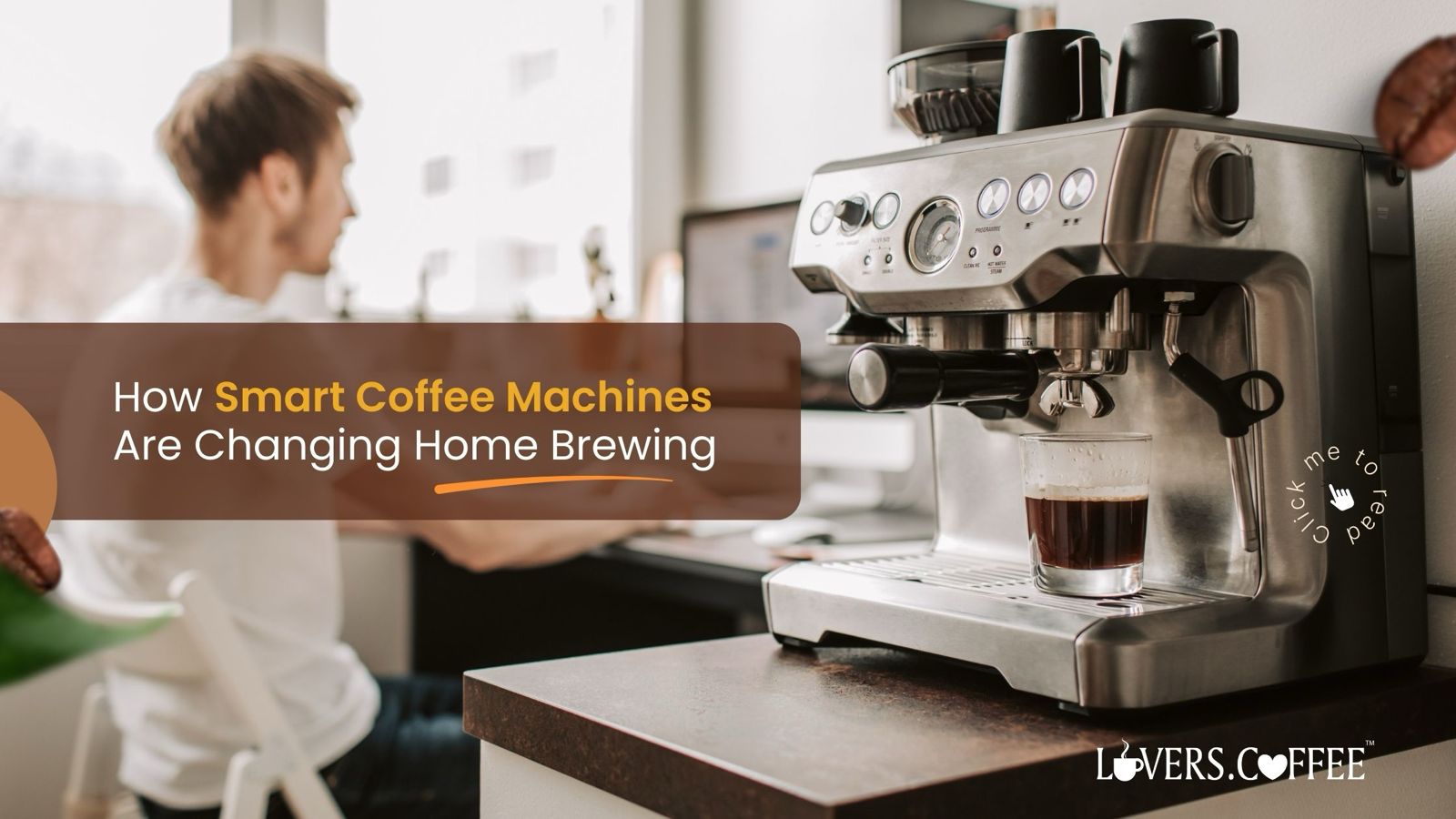
In kitchens across the USA, the morning ritual is evolving. What used to require a trip to the neighborhood café or years of practice to master can now be achieved with the tap of a screen. Smart Coffee Machines are transforming home brewing from a basic routine into a precision-driven, café-quality experience. From programmable brewing schedules to app-controlled extraction profiles, these devices are redefining how Americans enjoy their daily cup.
The rise of Smart Coffee Machines reflects a broader shift toward connected living and personalization. According to recent market research, the global smart kitchen appliance market is projected to exceed $60 billion by 2027, with coffee appliances representing one of the fastest-growing segments. In the U.S. alone, over 60% of adults drink coffee daily, and a growing number are investing in premium at-home brewing solutions. The result? Your kitchen can now function like a professional barista station without the barista.
Why Smart Coffee Machines Are Gaining Popularity in the USA
The adoption curve for connected appliances mirrors consumer demand for convenience, customization, and quality. Smart Coffee Machines combine IoT (Internet of Things) technology with precision brewing science.
Key Drivers of Growth
- Convenience: Remote brewing via smartphone apps
- Customization: Adjustable grind size, brew temperature, strength, and milk texture
- Consistency: Automated calibration for optimal extraction
- Cost Savings: Reduced long-term spending on coffee shop visits
- Integration: Compatibility with smart home ecosystems
Market Snapshot
| Metric | Data Point |
|---|---|
| Daily U.S. Coffee Drinkers | ~150 million |
| Avg. Coffee Shop Spend per Person (Annual) | $1,100+ |
| Smart Appliance Market Growth Rate | ~18% CAGR |
| Increase in At-Home Brewing (Post-2020) | 30%+ |
The financial incentive alone is compelling. A household spending $5 daily on café drinks could save over $1,800 per year by investing in a premium smart brewer.
Core Features That Define Smart Coffee Machines
Unlike traditional drip makers or manual espresso machines, Smart Coffee Machines leverage automation and data to optimize extraction variables.
Advanced Brewing Capabilities
- App-Based Controls – Start, stop, and schedule brews remotely
- Grind-to-Brew Integration – Built-in burr grinders with precision adjustment
- Pre-Infusion Settings – Bloom control for better flavor extraction
- Temperature Precision – ±1–2°F stability for optimal brewing
- Milk Frothing Automation – One-touch latte and cappuccino
Feature Comparison Table
| Feature | Traditional Machine | Smart Coffee Machine |
|---|---|---|
| Remote Operation | No | Yes |
| Custom Brew Profiles | Limited | Fully Programmable |
| Auto Cleaning Alerts | No | Yes |
| Strength Adjustment | Basic | Advanced Calibration |
| Voice Assistant Support | No | Often Supported |
The difference is not incremental; it is architectural. Smart systems use internal sensors and software algorithms to maintain consistency similar to a trained barista.
How Smart Technology Improves Coffee Quality
Brewing coffee is fundamentally a chemical extraction process involving water temperature, pressure, grind size, and contact time. Even small deviations can alter flavor balance.
Smart Coffee Machines enhance quality through:
- Precise water temperature control (195–205°F range)
- Optimal pressure management (~9 bars for espresso)
- Automated grind calibration
- Consistent extraction timing
This results in:
- Balanced acidity
- Fuller body
- Enhanced aroma
- Reduced bitterness
In effect, technology compensates for human inconsistency. Where a home brewer might vary technique daily, a smart system maintains repeatable parameters.
Cost vs. Value: Is It Worth the Investment?
Smart Coffee Machines typically range from $300 to $2,500, depending on build quality and features.
ROI Comparison
| Scenario | 3-Year Cost |
|---|---|
| Daily $5 Coffee Shop Purchase | ~$5,475 |
| $1,200 Smart Machine + Beans | ~$2,000–$2,500 |
Beyond monetary savings, consider:
- Time saved commuting
- Increased convenience
- Enhanced beverage variety
- Entertaining value for guests
For frequent coffee drinkers, the break-even point often occurs within 12–18 months.
The Role of the Modern Barista at Home
The traditional barista skill set of dialing in grind size, managing extraction time, and steaming milk required training and experience. Smart Coffee Machines democratize these competencies.
However, they do not eliminate craftsmanship; instead, they elevate it.
Home users can:
- Save custom brew profiles
- Experiment with specialty beans
- Adjust ratios like a professional
- Track usage data and optimize results
In many cases, the machine handles the technical precision while the user focuses on taste preferences and bean selection.
Conclusion
Smart Coffee Machines are redefining home brewing in the USA by combining barista-level precision with smart technology and everyday convenience. They deliver consistent extraction, customizable brew profiles, and long-term cost savings while eliminating the guesswork traditionally associated with making café-quality coffee at home. As innovation continues to integrate AI and smart home connectivity, these machines are not just upgrading kitchens they are transforming the entire coffee experience.
If you want more coffee information, recipes, and seasonal coffee trends, make sure to check our blog daily and explore the Lovers.coffee marketplace for everything you need to make your holiday moments even sweeter.



Deal of Day

Shop
Visit Our Store!
Discover products inspired by our blog — click here to explore the store.
Visit NowEvents

Events-Coffee Culture Live
Don’t miss out on exclusive coffee events and community gatherings.
Coming Soon
Jobs

Subscribe now
Subscribe to our newsletter today for a chance to win a FREE one year coffee subscription after your first order!