
How Coffee Trends Change Over Time
Table of Contents
- Coffee Started as a Simple Social Drink
- Industrialization Changed Coffee Consumption
- Instant Coffee Became a Major Trend
- Espresso Culture Transformed Coffee Trends
- Specialty Coffee Changed Consumer Expectations
- Third Wave Coffee Movement
- Social Media Accelerated Coffee Trends
- Seasonal Drinks Became Major Trends
- Cold Brew Changed Modern Coffee Habits
- Health Trends Influence Coffee Trends
- Technology Changed Home Brewing
- Sustainability Became a Major Focus
- Global Cultures Influence Each Other
- Why Coffee Trends Change So Quickly Today
- Some Traditional Coffee Trends Always Return
- What Future Coffee Trends May Look Like
- Final Thoughts

How Coffee Trends Change Over Time
- Shelli Galici
- 06-13-2018
- 06-17-2026
- 2190 views
- Featured Articles, Coffee Tips, Information
Coffee is one of the few beverages that constantly evolves with culture, technology, lifestyle habits, and consumer behavior. What people drink, how they brew it, where they buy it, and why they consume it changes dramatically from one generation to another.
Coffee trends are shaped by far more than taste alone. They are influenced by economics, social media, travel, health awareness, technology, and global culture. What was once considered premium coffee decades ago may now feel outdated, while modern coffee trends continue pushing creativity and experimentation further every year.
Understanding how coffee trends evolve reveals how coffee reflects changes in society itself.
Coffee Started as a Simple Social Drink
Historically, coffee was mainly consumed as a practical and social beverage.
Early coffee culture focused on:
Conversation
Community gatherings
Energy for work
Simple brewing methods
Traditional preparation styles
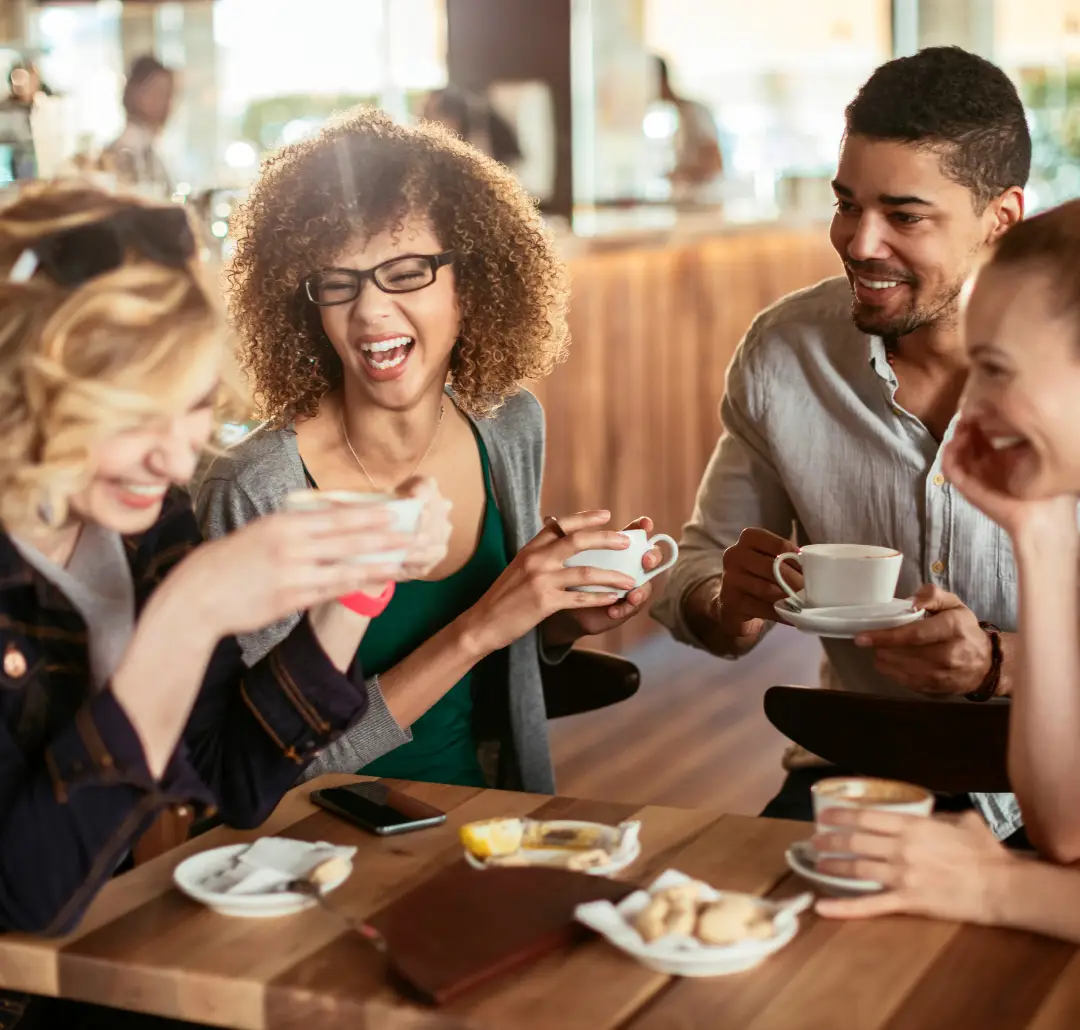
Coffeehouses became important social spaces for discussion, politics, creativity, and trade in many regions around the world.
At that stage, coffee trends changed slowly because access to information and global influence was limited.
Industrialization Changed Coffee Consumption
As industrialization expanded, coffee became more commercialized and accessible.
Large coffee companies introduced:
Mass production
Pre ground coffee
Instant coffee
Vacuum sealed packaging
Coffee became less about craftsmanship and more about convenience and consistency for everyday consumers.
This era heavily prioritized affordability and shelf stability over specialty flavor complexity.
Instant Coffee Became a Major Trend
For many decades, instant coffee represented modern convenience.
People wanted:
Faster preparation
Longer storage
Lower cost
Easy transportation
Instant coffee became especially popular in workplaces, military use, and busy households because it required minimal equipment or skill.
Espresso Culture Transformed Coffee Trends
The rise of espresso culture changed coffee completely.
Italian espresso bars helped popularize:
Espresso shots
Cappuccinos
Lattes
Macchiatos
Coffee became more experiential and café centered rather than purely functional.
This shift also introduced coffee as part of lifestyle and social identity.
Specialty Coffee Changed Consumer Expectations
One of the biggest modern changes came with the rise of specialty coffee.
Consumers became more interested in:
Bean origin
Roasting methods
Brewing precision
Flavor notes
Coffee freshness
Coffee evolved from a generic commodity into an artisan product similar to wine or craft chocolate.
Third Wave Coffee Movement
The third wave coffee movement pushed coffee culture even further.
This movement emphasized:
Direct trade sourcing
Single origin coffee
Manual brewing
Transparency
Barista craftsmanship
Coffee shops started highlighting tasting notes such as:
Berry
Chocolate
Citrus
Caramel
Floral aroma
Consumers began viewing coffee as a sensory experience rather than just caffeine.
Social Media Accelerated Coffee Trends
Modern coffee trends now spread globally through social media platforms.
Platforms like Instagram and TikTok strongly influence:
Drink aesthetics
Latte art
Colorful beverages
Seasonal coffee trends
Creative recipes
Viral coffee drinks can become worldwide trends within days.
This dramatically accelerated how quickly coffee culture evolves.
Seasonal Drinks Became Major Trends
Coffee chains helped popularize limited seasonal beverages such as:
Pumpkin spice drinks
Peppermint mochas
Holiday flavored lattes
Consumers now often associate coffee trends with seasons and emotional experiences rather than just flavor.
Cold Brew Changed Modern Coffee Habits
Cold brew became one of the most influential modern coffee trends because consumers increasingly wanted:
Smooth flavor
Lower acidity
Convenient ready to drink options
Cold caffeinated beverages
Cold brew also aligned well with fast paced urban lifestyles and modern bottled coffee markets.
Health Trends Influence Coffee Trends
Health awareness increasingly shapes coffee consumption.
Consumers now search for:
Low sugar coffee drinks
Plant based milk
Functional coffee
Protein coffee
Mushroom coffee
Adaptogen beverages
Coffee trends increasingly intersect with wellness culture.
Technology Changed Home Brewing
Modern coffee equipment dramatically improved home brewing quality.
Consumers now use:
Smart espresso machines
Precision grinders
Pour over systems
Coffee apps
Temperature controlled kettles
Home brewing became more technical and hobby driven.
Sustainability Became a Major Focus
Modern consumers increasingly care about:
Ethical sourcing
Environmental impact
Reusable packaging
Compostable coffee pods
Fair trade practices
Sustainability now strongly influences purchasing decisions and coffee branding.
Global Cultures Influence Each Other
Coffee trends today blend influences from multiple cultures.
Examples include:
Japanese iced coffee
Vietnamese coffee
Turkish coffee
Korean café culture
Scandinavian brewing styles
Moroccan spiced coffee
Global internet culture allows regional coffee traditions to spread internationally faster than ever before.
Why Coffee Trends Change So Quickly Today
Modern coffee culture changes rapidly because consumers constantly seek:
Novelty
Personalization
Visual appeal
Health optimization
Convenience
Social media engagement
Coffee is no longer just a beverage. It has become part of lifestyle branding and identity.
Some Traditional Coffee Trends Always Return
Despite innovation, traditional coffee methods continue surviving because people still value:
Authenticity
Craftsmanship
Slow rituals
Cultural traditions
Classic espresso drinks
French press
Pour over coffee
Coffee trends often cycle between innovation and nostalgia.
What Future Coffee Trends May Look Like
Future coffee trends may increasingly involve:
AI powered brewing
Lab grown coffee alternatives
Functional nutrition integration
Hyper personalized coffee subscriptions
Climate resilient coffee farming
Advanced sustainable production
As climate change and technology reshape agriculture and consumer behavior, coffee culture will likely continue evolving rapidly.
Final Thoughts
Coffee trends constantly change because coffee itself sits at the intersection of culture, technology, lifestyle, health, and social behavior. From traditional coffeehouses and instant coffee to specialty brewing and viral iced lattes, every generation reshapes coffee according to its values and habits.
What remains consistent is coffee’s role as more than just a drink. It continues to reflect how people socialize, work, relax, express identity, and experience daily life. That is why coffee trends never truly stop evolving.

Deal of Day
Shop
Visit Our Store!
Discover products inspired by our blog — click here to explore the store.
Visit NowEvents
Events-Coffee Culture Live
Don’t miss out on exclusive coffee events and community gatherings.
Coming Soon
Jobs
Subscribe now
Subscribe to our newsletter today for a chance to win a FREE one year coffee subscription after your first order!


