Coconut Water: An Electrolyte Boost or Just Empty Calories?
Table of Contents
- What Is Coconut Water?
- Why Coconut Water Is Considered Healthy
- It Can Help With Hydration
- It Is Lower in Calories Than Many Sugary Drinks
- The Natural Sports Drink Claim Is Complicated
- Is Coconut Water Just Empty Calories?
- The Sugar Content Still Matters
- Coconut Water Works Best in Moderation
- Why Coconut Water Became So Trendy
- Who Should Be Careful With Coconut Water?
- Final Thoughts

Coconut Water: An Electrolyte Boost or Just Empty Calories?
- Adam Smith
- 10-14-2024
- 05-18-2026
- 2746 views
- Information
Coconut water has become one of the most popular health drinks in the wellness industry. Marketed as a natural hydration beverage packed with electrolytes, it is often promoted as a healthier alternative to sports drinks and sugary beverages. Fitness influencers, athletes, and health conscious consumers regularly praise it for hydration, recovery, and energy support.
But despite the hype, an important question remains: is coconut water truly a healthy electrolyte rich drink, or is it simply another trendy beverage with more marketing than substance?
The answer depends on how it is consumed, what type you buy, and what your body actually needs.
What Is Coconut Water?
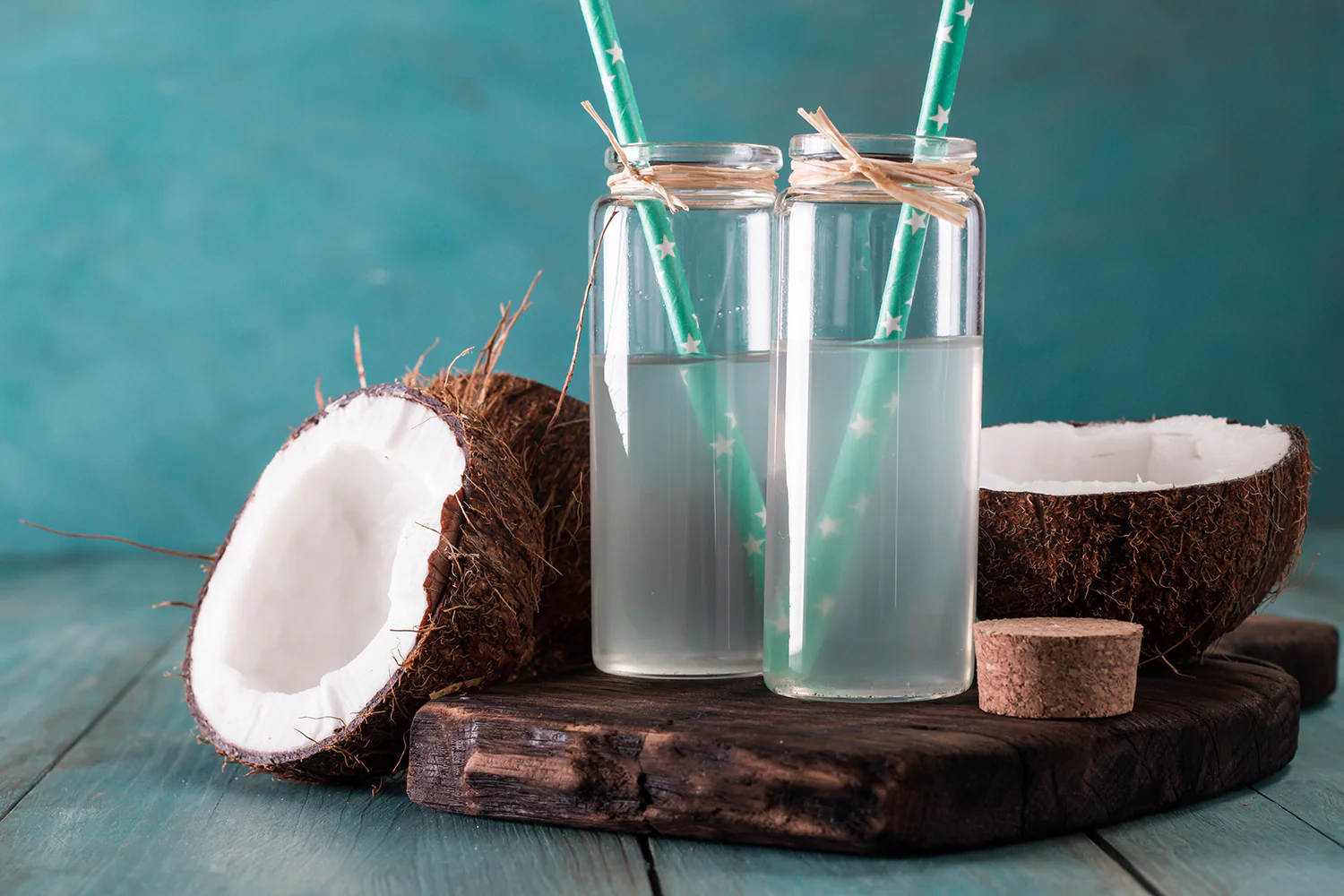
Coconut water is the clear liquid naturally found inside young green coconuts. Unlike coconut milk, which is made from coconut flesh, coconut water is naturally lighter and lower in fat.
It contains:
• Water
• Natural sugars
• Electrolytes
• Small amounts of vitamins and minerals
Because of its refreshing taste and natural mineral content, it became popular as a hydration focused beverage.
Why Coconut Water Is Considered Healthy
The biggest reason coconut water gained popularity is its electrolyte content.
Electrolytes are minerals that help regulate:
• Hydration
• Muscle function
• Nerve signals
• Fluid balance
• Physical performance
Coconut water naturally contains electrolytes such as:
• Potassium
• Magnesium
• Sodium
• Calcium
Potassium is especially abundant, which is one reason coconut water is often promoted as a recovery drink after exercise.
It Can Help With Hydration
Coconut water can support hydration because it replaces fluids and minerals lost through sweating.
This makes it appealing for:
• Athletes
• Gym goers
• Hot weather hydration
• Mild dehydration recovery
Compared to many soft drinks, coconut water is generally lighter and less processed.
For people who dislike plain water, it may encourage better hydration habits overall.
It Is Lower in Calories Than Many Sugary Drinks
Compared to sodas, milkshakes, or heavily sweetened sports drinks, plain coconut water is usually lower in calories and added sugars.
This makes it attractive for people trying to reduce consumption of:
• Sugary beverages
• Artificial drinks
• High calorie soft drinks
However, not all coconut water products are equal. Some packaged versions contain added sugars and flavorings that significantly increase calorie content.
The Natural Sports Drink Claim Is Complicated
Coconut water is often marketed as a natural alternative to sports drinks, but this comparison is not always straightforward.
While coconut water contains potassium naturally, many sports drinks contain higher sodium levels, which are important during intense exercise and heavy sweating.
For casual hydration, coconut water may work well. But for:
• Endurance athletes
• Long intense workouts
• Heavy sweat loss
standard sports drinks may sometimes replace sodium more effectively.
Is Coconut Water Just Empty Calories?
Plain coconut water is not technically empty calories because it does contain nutrients and electrolytes. However, some people overestimate its health benefits.
Problems usually happen when:
• People consume it excessively
• Sweetened versions are chosen
• It replaces water unnecessarily
• It is treated like a miracle wellness drink
While coconut water contains minerals, it is not a magical superdrink capable of dramatically transforming health on its own.
The Sugar Content Still Matters
Although coconut water contains natural sugar, it still contributes calories.
Drinking large amounts regularly can increase sugar intake, especially with flavored commercial versions.
Some bottled coconut waters contain:
• Added sweeteners
• Fruit concentrates
• Artificial flavors
This can make them much less healthy than people assume.
Reading labels becomes important because many products marketed as natural are still highly processed.
Coconut Water Works Best in Moderation
For most people, coconut water works best as:
• An occasional hydration drink
• A post workout beverage
• A lighter alternative to soda
• A refreshing warm weather drink
It should complement a balanced diet rather than replace water entirely.
Plain water still remains the most essential hydration source for daily life.
Why Coconut Water Became So Trendy
Coconut water became successful partly because it fits modern wellness culture perfectly.
Consumers increasingly look for drinks associated with:
• Natural ingredients
• Fitness
• Hydration
• Wellness lifestyles
• Minimal processing
Its tropical image and health focused branding made it highly attractive in global beverage markets.
Who Should Be Careful With Coconut Water?
Because coconut water is high in potassium, certain people should consume it carefully, especially those with medical conditions related to kidney function or electrolyte balance.
Excessive intake may not be ideal for everyone.
Moderation and individual health needs always matter more than internet wellness trends.
Final Thoughts
Coconut water is neither a miracle superdrink nor completely empty calories. It sits somewhere in the middle. It offers natural hydration and useful electrolytes, especially potassium, while also containing calories and sugars that still deserve attention.
For most people, plain coconut water can be a refreshing and healthier alternative to heavily processed sugary drinks when consumed in moderation.
The real issue is not coconut water itself. It is the unrealistic health expectations people often attach to trendy wellness products.

Deal of Day
Shop
Visit Our Store!
Discover products inspired by our blog — click here to explore the store.
Visit NowEvents
Events-Coffee Culture Live
Don’t miss out on exclusive coffee events and community gatherings.
Coming Soon
Jobs

Subscribe now
Subscribe to our newsletter today for a chance to win a FREE one year coffee subscription after your first order!


