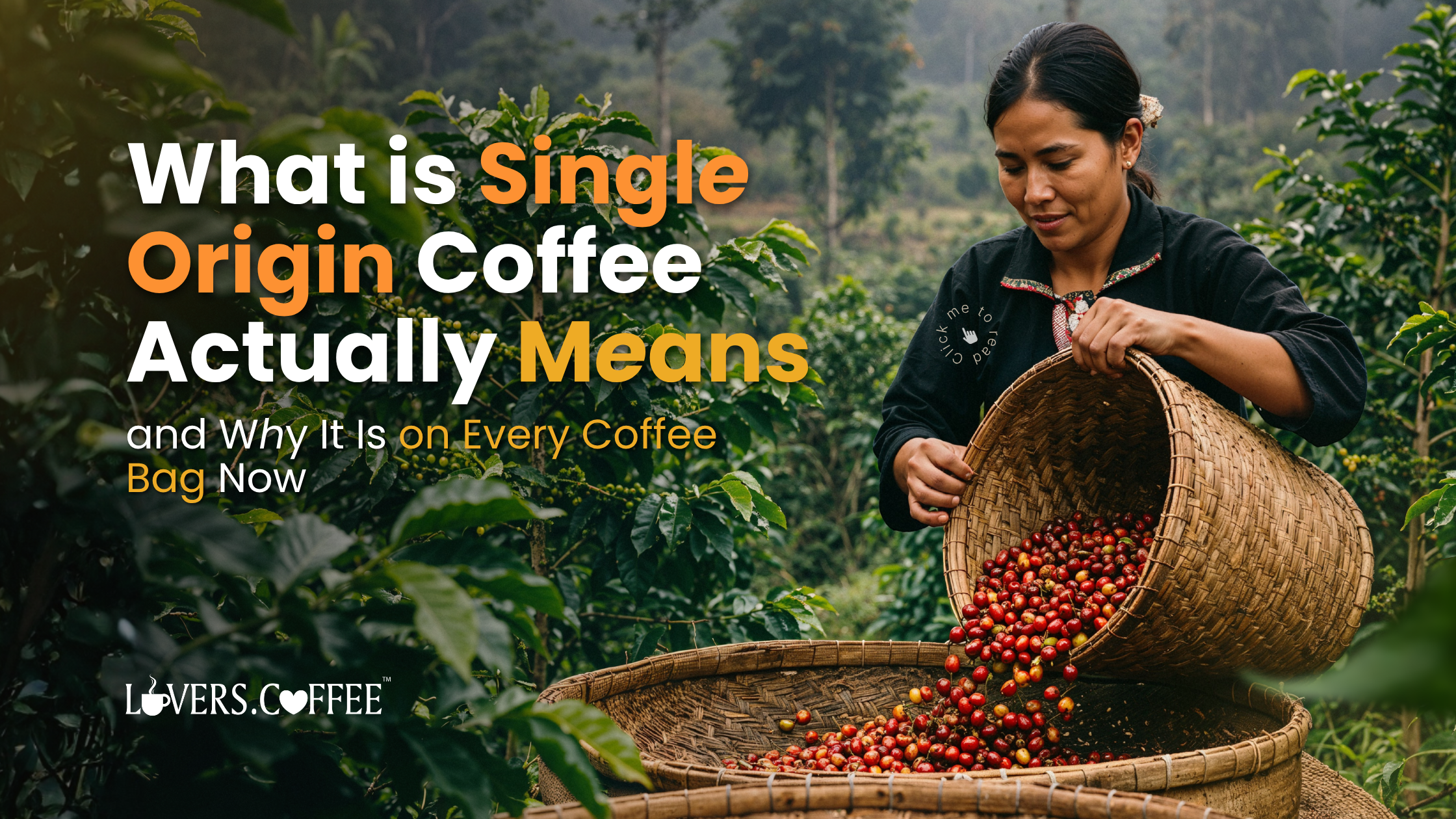
What Is Single Origin Coffee? Everything You Need to Know

What Is Single Origin Coffee? Everything You Need to Know
- azeem memon
- 07-15-2026
- 07-15-2026
- 500 views
- coffeepedia
Walk into almost any coffee shop or browse the coffee aisle at your local grocery store, and you’ll likely see the words single origin coffee on countless bags. Once considered a specialty label, it has become one of the most common terms in the coffee world. Many people associate it with better quality, richer flavor, and premium beans, but not everyone knows what it actually means.
Simply put, single origin coffee comes from one specific geographic source instead of being mixed with beans from different places. Depending on the producer, that source could be a single farm, a cooperative, a region, or an entire country. Understanding what this label means can make it easier to choose coffee that matches your taste and appreciate why so many roasters proudly display it on their packaging.
What Is Single Origin Coffee?
Single origin coffee is coffee that comes from one identifiable geographic source rather than being blended with beans from multiple locations. That source might be a single farm, a group of farms in the same area, a cooperative, a specific region, or sometimes an entire country, depending on how the coffee is produced and labeled.
The purpose of single origin coffee is to highlight the natural flavors created by the place where the coffee is grown. Factors like climate, altitude, soil, rainfall, and farming practices all influence the taste of the beans. Because the coffee comes from one origin, those unique characteristics remain more noticeable in the final cup.
Unlike blended coffee, which is designed to create a balanced and consistent flavor by combining beans from different origins, single origin coffee offers a taste that reflects one specific growing area. This is why coffee lovers often choose it to experience the distinct flavor profiles of different coffee-producing regions around the world.
That origin may refer to:
- A single coffee farm
- A coffee estate
- A cooperative of nearby farmers
- A specific growing region
- One country
The more specific the origin, the greater the traceability of the coffee.
How Coffee Gets the Single Origin Label
There is no single global rule that defines single origin coffee, but reputable coffee roasters use the term to indicate that the beans come from one identifiable source. Many specialty coffee brands provide additional details on the packaging, such as the farm name, region, elevation, processing method, harvest season, and tasting notes.
Why Is Single Origin Coffee So Popular?
Single origin coffee has grown in popularity because today’s coffee drinkers want more than just a good cup of coffee. They want to know where their coffee comes from, how it was grown, and what makes it different from other beans. Specialty coffee roasters have responded by highlighting the origin of their beans, giving customers more information and helping them make informed buying decisions. As a result, the single origin coffee label has become a trusted sign of quality, transparency, and unique flavor.
Growing Interest in Specialty Coffee
The rise of specialty coffee has changed how people experience coffee. Instead of choosing coffee based only on roast level or brand, many consumers now explore beans from different regions to discover new flavors.
Why specialty coffee has increased demand for single origin coffee:
- Highlights the natural flavor of one growing region
- Lets drinkers experience unique taste profiles
- Encourages appreciation of coffee similar to wine or chocolate
- Offers seasonal coffees with fresh harvests
- Focuses on quality over mass production
| Coffee Origin | Common Flavor Notes |
|---|---|
| Ethiopia | Floral, citrus, berries |
| Colombia | Chocolate, caramel, balanced sweetness |
| Guatemala | Cocoa, nuts, mild fruit |
| Kenya | Bright acidity, blackcurrant, citrus |
| Brazil | Chocolate, nuts, low acidity |
Consumers Want Transparency
Modern coffee buyers are paying closer attention to product labels than ever before. Knowing where coffee was grown helps consumers understand its quality, authenticity, and production methods. This transparency builds trust between coffee producers and customers while making it easier to choose coffee that matches personal preferences.
Information commonly found on a single origin coffee bag:
- Country of origin
- Coffee-growing region
- Farm or producer name
- Elevation
- Processing method
- Harvest year or season
- Roast level
- Tasting notes
| Label Information | Why It Matters |
|---|---|
| Country or Region | Identifies where the coffee was grown |
| Farm or Producer | Improves traceability and authenticity |
| Elevation | Influences bean density and flavor |
| Processing Method | Affects sweetness, acidity, and body |
| Harvest Season | Indicates freshness |
| Tasting Notes | Helps buyers choose flavors they enjoy |
This combination of detailed information and traceability is one of the biggest reasons single origin coffee has become a standard feature on premium coffee bags. It gives consumers greater confidence in what they are buying while allowing them to explore the distinctive flavors that different coffee-growing regions have to offer.
Where Can Single Origin Coffee Come From?
The term single origin coffee simply means the coffee comes from one identifiable geographic source. However, that source is not always a single farm. Depending on the coffee producer and the level of traceability they provide, the origin may refer to an entire country, a specific region, a cooperative of nearby farms, or one individual estate.
The more specific the origin, the easier it is to understand where the coffee was grown and how environmental conditions influenced its flavor. Premium specialty coffee brands often provide detailed origin information to help consumers appreciate the uniqueness of each harvest.
Country
Some single origin coffees are sourced from one country but may include beans from multiple farms within that country. While this is the broadest form of single origin labeling, it still allows coffee drinkers to experience the general characteristics associated with that country’s coffee.
Examples of country-level single origin coffees:
- Ethiopia
- Colombia
- Brazil
- Guatemala
- Kenya
- Costa Rica
| Country | Known For |
|---|---|
| Ethiopia | Floral, tea-like, fruity flavors |
| Colombia | Balanced sweetness with chocolate and caramel notes |
| Brazil | Nutty, chocolatey, low acidity |
| Kenya | Bright acidity with berry and citrus flavors |
| Costa Rica | Clean, sweet, and vibrant cup |
Region
Some coffee producers narrow the origin to a specific coffee-growing region within a country. Since climate, elevation, and soil vary from one region to another, coffees from different regions can taste noticeably different even if they come from the same country.
Benefits of region-level labeling:
- More accurate flavor expectations
- Better traceability
- Highlights regional growing conditions
- Showcases local coffee traditions
| Country | Popular Coffee Regions |
|---|---|
| Ethiopia | Yirgacheffe, Sidamo, Guji |
| Colombia | Huila, Nariño, Antioquia |
| Guatemala | Antigua, Huehuetenango |
| Costa Rica | Tarrazú, West Valley |
| Kenya | Nyeri, Kirinyaga |
Farm or Estate
The most specific type of single origin coffee comes from one individual farm or estate. This level of traceability is highly valued in specialty coffee because every stage of production can be tracked, from cultivation and harvesting to processing and roasting.
Many premium coffee bags proudly display the farm name along with additional details about the producer and growing conditions.
Farm-level single origin coffee often includes:
- Farm or estate name
- Producer’s name
- Elevation
- Coffee variety
- Processing method
- Harvest year
- Tasting notes
| Origin Level | Traceability | Typical Quality |
|---|---|---|
| Country | Moderate | Good |
| Region | High | Very Good |
| Farm or Estate | Very High | Premium |
More Than a Label, It’s a Story of Origin
Single origin coffee is more than just a phrase printed on a coffee bag. It represents a commitment to showcasing the unique qualities of coffee grown in one identifiable place, allowing you to experience flavors shaped by local climate, soil, elevation, and farming practices. While blends offer consistency, single origin coffees provide a chance to explore the distinct character of different coffee-growing regions around the world. Whether you’re new to specialty coffee or looking to expand your palate, understanding what single origin coffee means can help you make more informed choices and enjoy every cup with a greater appreciation for where it truly comes from.
If you want more coffee information, recipes, and seasonal coffee trends, make sure to check our blog daily and explore the Lovers.coffee marketplace for everything you need to make your moments even sweeter.



Deal of Day
Shop

Visit Our Store!
Discover products inspired by our blog — click here to explore the store.
Visit NowEvents

Events-Coffee Culture Live
Don’t miss out on exclusive coffee events and community gatherings.
Coming Soon
Jobs


Subscribe now
Subscribe to our newsletter today for a chance to win a FREE one year coffee subscription after your first order!