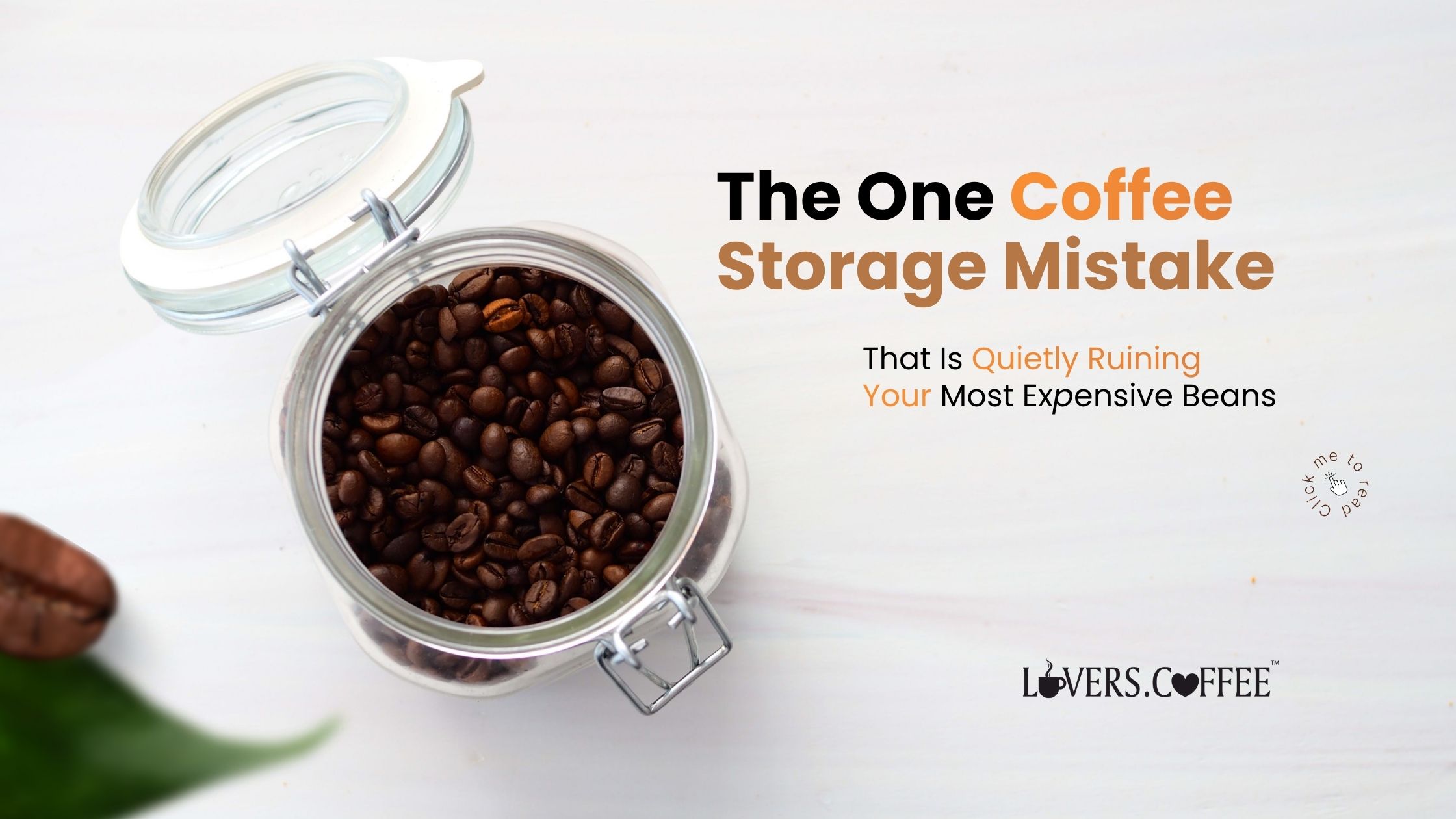
The One Coffee Storage Mistakes That Ruins Expensive Beans



The One Coffee Storage Mistakes That Ruins Expensive Beans
- azeem memon
- 07-13-2026
- 07-13-2026
- 967 views
- Coffee Beans
Freshly roasted coffee beans can lose their rich aroma and complex flavors much sooner than most people realize, and in many cases, the problem is not the beans themselves. A single coffee storage mistake can quietly speed up oxidation, causing even the most expensive specialty coffee to taste flat, dull, and lifeless. If you have invested in premium beans, storing them the wrong way could mean you never experience the flavor you paid for.
The biggest coffee storage mistakes is exposing your beans to air, light, heat, or moisture for extended periods. While many people assume any container will keep coffee fresh, proper storage plays a critical role in preserving oils, aromas, and flavor compounds. Understanding what causes coffee to go stale and how to prevent it can help every cup taste closer to the day your beans were roasted.
Why Coffee Storage Matters More Than You Think
Coffee beans are packed with delicate aromatic compounds that begin changing as soon as they are roasted. While roasting develops the flavors you enjoy, it also starts a natural aging process. Over time, exposure to oxygen, light, heat, and moisture breaks down these compounds, causing your coffee to lose its vibrant taste and inviting aroma. Even high-quality beans cannot maintain their peak flavor if they are stored improperly.
Premium coffee deserves extra care because its unique tasting notes are often more delicate than those of lower-grade beans. Whether your coffee has fruity, floral, chocolatey, or nutty characteristics, poor storage can quickly dull those flavors, leaving every brew tasting flat or stale. Proper storage is one of the simplest ways to protect your investment and enjoy consistently better coffee at home.
What Happens When Coffee Is Stored Incorrectly?
When coffee beans are exposed to unfavorable conditions, several changes occur that reduce their quality:
- Oxygen causes oxidation, leading to stale flavors.
- Light breaks down aromatic compounds and speeds up aging.
- Heat accelerates the loss of natural oils and volatile aromas.
- Moisture introduces unwanted humidity that can damage the beans and encourage mold in extreme cases.
- Frequent opening and closing of storage containers exposes beans to fresh air repeatedly, reducing freshness over time.
The One Storage Mistake Most Coffee Drinkers Make
The biggest coffee storage mistake is leaving coffee beans exposed to air for long periods. Every time beans come into contact with oxygen, a process called oxidation begins. This gradually breaks down the oils and aromatic compounds responsible for coffee’s fresh flavor and rich aroma. Even if you buy premium beans from a quality roaster, improper storage can make them taste stale within weeks.
Many people unintentionally speed up this process by storing coffee in partially opened bags, clear jars, or containers that are not completely airtight. While these methods may seem convenient, they allow fresh air to enter repeatedly, reducing the quality of every brew. Protecting coffee from oxygen is one of the easiest and most effective ways to extend its freshness.
Why Air Is Coffee’s Biggest Enemy
Oxygen is essential for life, but it is one of the main reasons coffee loses its freshness. Once roasted, coffee beans slowly react with the air around them, causing their flavorful compounds to deteriorate.
Some common signs of oxidation include:
- Weaker aroma when opening the container.
- Flat or dull flavors in the cup.
- Less sweetness and complexity.
- Reduced crema when brewing espresso.
- A dry or cardboard-like aftertaste.
How Light, Heat, and Moisture Speed Up Staling
Air is not the only factor that affects coffee quality. Light, heat, and moisture also contribute to faster flavor loss, especially when beans are stored in kitchens near windows, ovens, or humid environments.
| Storage Factor | Effect on Coffee Beans |
|---|---|
| Air | Causes oxidation and stale flavors. |
| Light | Breaks down aromatic compounds and speeds up aging. |
| Heat | Accelerates the loss of natural oils and freshness. |
| Moisture | Damages beans and may lead to mold in extreme conditions. |
Keeping coffee in a cool, dark place inside a fully airtight container protects it from these four enemies and helps preserve its original flavor for much longer.
How This Mistake Changes Flavor and Aroma
Storing coffee incorrectly does more than shorten its shelf life. It changes how every cup tastes and smells. Fresh coffee contains hundreds of volatile aromatic compounds that create its unique flavor profile. When these compounds are exposed to oxygen, light, heat, or moisture, they gradually break down, making the coffee less vibrant with every passing day.
Whether you enjoy fruity Ethiopian beans, chocolatey Colombian coffee, or a bold espresso roast, poor storage can mask the characteristics that make each coffee unique. Instead of tasting balanced and flavorful, the coffee may seem bland, bitter, or lifeless.
Loss of Freshness
Freshly roasted coffee delivers a rich aroma and a well-balanced flavor. As freshness fades, these qualities become noticeably weaker.
Common signs your coffee is losing freshness include:
- A weaker aroma when opening the bag or container.
- Less sweetness and complexity in the cup.
- A dull or flat flavor profile.
- Reduced body and mouthfeel.
- Coffee that tastes the same regardless of the brewing method.
Oxidation and Flavor Breakdown
Oxidation is the primary reason coffee becomes stale. As oxygen reacts with the natural oils inside roasted beans, it slowly changes the compounds responsible for flavor and aroma. This process cannot be stopped completely, but proper storage can slow it down significantly.
As oxidation progresses, you may notice:
- Bright acidity becomes muted.
- Fruity and floral notes disappear first.
- Chocolate and caramel flavors become less distinct.
- Bitterness becomes more noticeable.
- The overall cup tastes flat and uninspiring.
Why Premium Beans Suffer the Most
Expensive specialty coffee often contains delicate tasting notes that require careful handling. These nuanced flavors are much more sensitive to poor storage than darker commercial roasts. If premium beans are exposed to air or heat, their unique characteristics can disappear long before the beans are actually old.
The Best Way to Store Coffee Beans
Keeping coffee fresh does not require expensive equipment. The key is protecting roasted beans from their biggest enemies: air, light, heat, and moisture. By following a few simple storage practices, you can preserve the aroma and flavor of your coffee for much longer and enjoy a better-tasting cup every day.
Choose an Airtight Container
An airtight container is one of the best investments for anyone who buys whole bean coffee. It limits the amount of oxygen that reaches the beans, slowing down oxidation and helping preserve freshness.
When selecting a coffee container, look for these features:
- An airtight seal to reduce air exposure.
- Opaque or stainless steel construction to block light.
- Food-safe materials that do not absorb odors.
- A size that closely matches the amount of coffee you typically store.
Store in a Cool, Dark Place
Where you keep your coffee is just as important as the container you use. A cool, dry pantry or cabinet away from direct sunlight is usually the ideal location. Avoid storing coffee near appliances that produce heat, such as ovens, microwaves, or dishwashers, because fluctuating temperatures can speed up the aging process.
For the best results:
- Keep coffee away from direct sunlight.
- Store it in a dry area with stable temperatures.
- Avoid humid locations like above the stove or near the sink.
- Leave the container tightly sealed when not in use.
Buy Smaller Amounts More Often
Buying coffee in bulk may seem economical, but it often leads to stale beans before you can finish the bag. Purchasing smaller quantities allows you to enjoy coffee closer to its roast date, when flavor and aroma are at their peak.
A good rule of thumb is to:
- Buy only what you can use within two to four weeks after opening.
- Check the roast date instead of relying only on the best-by date.
- Grind beans only when you are ready to brew for maximum freshness.
Fresh Beans, Better Coffee
The quality of your coffee depends on more than just the beans you buy. Avoiding a simple coffee storage mistake can make a noticeable difference in flavor, aroma, and freshness. By keeping your beans in an airtight container, storing them in a cool, dark place, and buying only what you can enjoy while fresh, you’ll get the most out of every bag. A few small changes to how you store your coffee can help every cup taste closer to the way it was meant to be enjoyed.
If you want more coffee information, recipes, and seasonal coffee trends, make sure to check our blog daily and explore the Lovers.coffee marketplace for everything you need to make your moments even sweeter.




Deal of Day
Shop
Visit Our Store!
Discover products inspired by our blog — click here to explore the store.
Visit NowEvents

Events-Coffee Culture Live
Don’t miss out on exclusive coffee events and community gatherings.
Coming Soon
Jobs


Subscribe now
Subscribe to our newsletter today for a chance to win a FREE one year coffee subscription after your first order!