The Health Benefits of Black Coffee: Why You Should Drink It Daily
Table of Contents
- What Is Black Coffee?
- 1. Low in Calories
- 2. Can Improve Alertness and Focus
- 3. Rich in Antioxidants
- 4. May Support Physical Performance
- 5. May Help With Weight Management
- 6. Can Support Mood and Mental Energy
- 7. May Support Metabolic Health
- 8. Easier to Control Sugar Intake
- Why Black Coffee Often Beats Fancy Coffee Drinks
- How Much Black Coffee Is Reasonable?
- Who Should Be Careful?
- How to Make Black Coffee Taste Better
- Brutal Truth: Many Coffee Problems Are Sugar Problems
- Final Thoughts

The Health Benefits of Black Coffee: Why You Should Drink It Daily
- azeem memon
- 03-21-2025
- 05-10-2026
- 2799 views
- Coffee Shop
Black coffee is one of the simplest drinks you can put into your routine, and often one of the most misunderstood. Many people only see coffee as a caffeine hit, but quality black coffee can offer far more than wakefulness.
Without added sugar, syrups, creamers, or excess calories, black coffee delivers coffee’s core compounds in their cleanest form. For many people, that means energy, focus, antioxidants, and metabolic support with minimal nutritional downside.
This does not mean everyone should force themselves to drink it or that more is always better. But when used intelligently, black coffee can be a strong daily habit.
What Is Black Coffee?
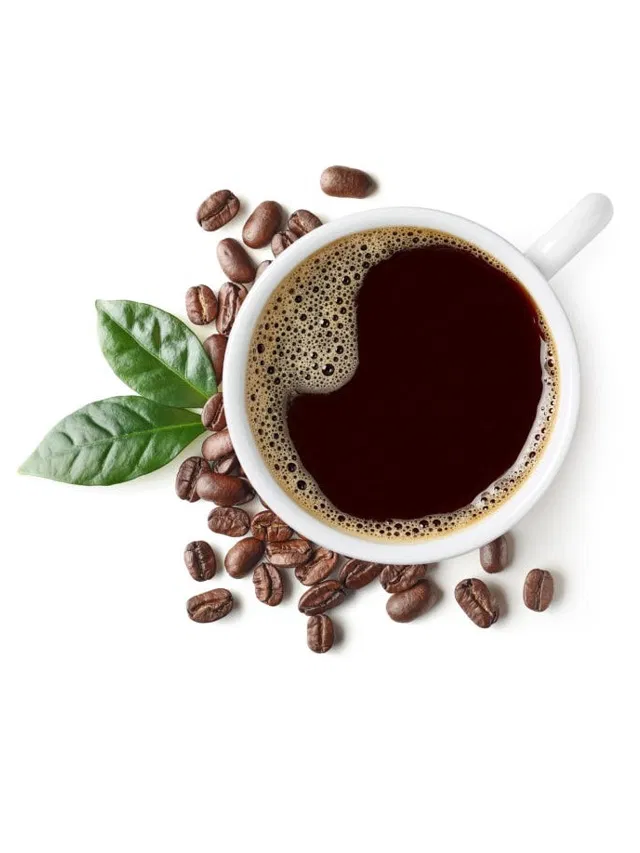
Black coffee is simply brewed coffee served without added milk, cream, sugar, flavored syrups, or sweeteners.
Popular forms include:
- Drip coffee
- Pour-over
- French press
- Espresso
- Americano
- Cold brew
The lack of additives is what makes it nutritionally lean.
1. Low in Calories
Plain black coffee is naturally very low in calories.
A typical cup contains little to no meaningful calories, making it useful for people trying to reduce excess intake.
That becomes powerful when compared with sugary coffee-shop drinks that can contain hundreds of calories.
If your coffee habit is really dessert in a cup, that is a different conversation.
2. Can Improve Alertness and Focus
Caffeine blocks adenosine, a chemical linked with tiredness, helping many people feel more awake and mentally sharp.
Potential benefits:
- Better concentration
- Faster reaction time
- Improved task motivation
- Reduced morning grogginess
- Increased productivity
Used strategically, black coffee can be a practical performance tool.
3. Rich in Antioxidants
Coffee contains antioxidant compounds such as polyphenols and chlorogenic acids.
Antioxidants help combat oxidative stress in the body, which is associated with cellular damage over time.
For many adults, coffee is one of the larger dietary sources of antioxidants, not because coffee is magical, but because it is consumed regularly.
4. May Support Physical Performance
Caffeine can improve exercise readiness for many people.
Possible effects:
- Increased energy
- Improved endurance perception
- Better training intensity
- Enhanced focus during workouts
That is why many pre-workout supplements rely heavily on caffeine.
A simple cup of black coffee before training may be enough for some people.
5. May Help With Weight Management
Black coffee is not a fat-loss miracle. But it can support weight-management efforts through behavior and physiology.
Potential benefits:
- Very low calorie beverage choice
- May reduce desire for sugary drinks
- Can increase energy expenditure modestly
- Helpful before activity
- Supports appetite control for some people
Again: support tool, not solution.
6. Can Support Mood and Mental Energy
Many people experience a better mental start to the day after coffee.
This may come from:
- Improved alertness
- Positive ritual and routine
- Enhanced motivation
- Reduced fatigue
Coffee can boost momentum. Momentum often boosts mood.
7. May Support Metabolic Health
Some research has associated moderate coffee intake with positive metabolic outcomes in certain populations.
Potential areas often studied include:
- Glucose regulation
- Insulin sensitivity
- Long-term metabolic markers
This does not mean black coffee overrides poor diet or inactivity.
Habits still dominate outcomes.
8. Easier to Control Sugar Intake
Drinking black coffee removes hidden sugars from flavored beverages.
That can help reduce:
- Excess calories
- Energy crashes from sugary drinks
- Habitual sweet cravings
- Mindless liquid calorie intake
Many people think they love coffee when they actually love syrup.
Why Black Coffee Often Beats Fancy Coffee Drinks
Compare these two habits:
Habit A
One cup black coffee.
Habit B
Large flavored drink with syrup, whipped topping, sweet cream, and pastry on the side.
Both are called coffee habits. Only one behaves like one.
If health is the goal, simplicity usually wins.
How Much Black Coffee Is Reasonable?
Tolerance varies, but many adults do well with moderate intake.
Often this means:
- 1 to 3 cups daily for many people
- Earlier in the day rather than late evening
- Adjusted for body size and sensitivity
Too much can create:
- Anxiety
- Jitters
- Poor sleep
- Dependency
- Headaches
Dose matters.
Who Should Be Careful?
Some individuals should be more cautious or seek professional advice, especially if they have:
- Strong caffeine sensitivity
- Anxiety disorders worsened by stimulants
- Sleep problems
- Certain heart conditions
- Pregnancy-related caffeine restrictions
- Medication interactions
Personal response matters more than trends.
How to Make Black Coffee Taste Better
If black coffee tastes harsh, the issue may be quality or brewing, not black coffee itself.
Improve it by:
- Buying fresher beans
- Using filtered water
- Grinding fresh
- Using correct ratios
- Avoiding over-extraction
- Trying medium roast first
Bad coffee hidden with sugar is still bad coffee.
Brutal Truth: Many Coffee Problems Are Sugar Problems
People blame coffee for crashes, weight gain, and cravings when the real issue is what they pour into it.
Coffee itself is one thing. Dessert disguised as coffee is another.
Know the difference.
Final Thoughts
Black coffee can be a smart daily habit for many people. It is low calorie, rich in beneficial compounds, energizing, and easy to fit into a healthy routine.
The key is moderation, timing, and quality.
Drink it because it supports your life, not because you need it to survive your habits.

Deal of Day
Shop
Visit Our Store!
Discover products inspired by our blog — click here to explore the store.
Visit NowEvents
Events-Coffee Culture Live
Don’t miss out on exclusive coffee events and community gatherings.
Coming Soon
Jobs

Subscribe now
Subscribe to our newsletter today for a chance to win a FREE one year coffee subscription after your first order!


