The Role of Shade-Grown Coffee in Preserving Biodiversity
Table of Contents
- What Is Shade-Grown Coffee?
- Why Coffee Was Traditionally Shade-Grown
- How Shade-Grown Coffee Supports Biodiversity
- 1. Bird Habitat
- 2. Pollinator Support
- 3. Insect Balance and Natural Pest Control
- 4. Soil Health
- 5. Water Protection
- 6. Climate Resilience
- Shade-Grown vs Sun-Grown Coffee
- Does Shade-Grown Coffee Taste Better?
- Certifications and Labels to Watch
- Economic Reality for Farmers
- What Consumers Can Do
- Buy With Intent
- Pay Fairly
- Reward Transparency
- Reduce Waste
- Common Myths
- All Shade-Grown Coffee Is Automatically Perfect
- Sun-Grown Means Always Bad
- Consumers Can’t Influence This
- Brutal Truth: Many People Want Sustainability at Discount Prices
- Final Thoughts

The Role of Shade-Grown Coffee in Preserving Biodiversity
- Adam Smith
- 01-12-2025
- 05-23-2026
- 1466 views
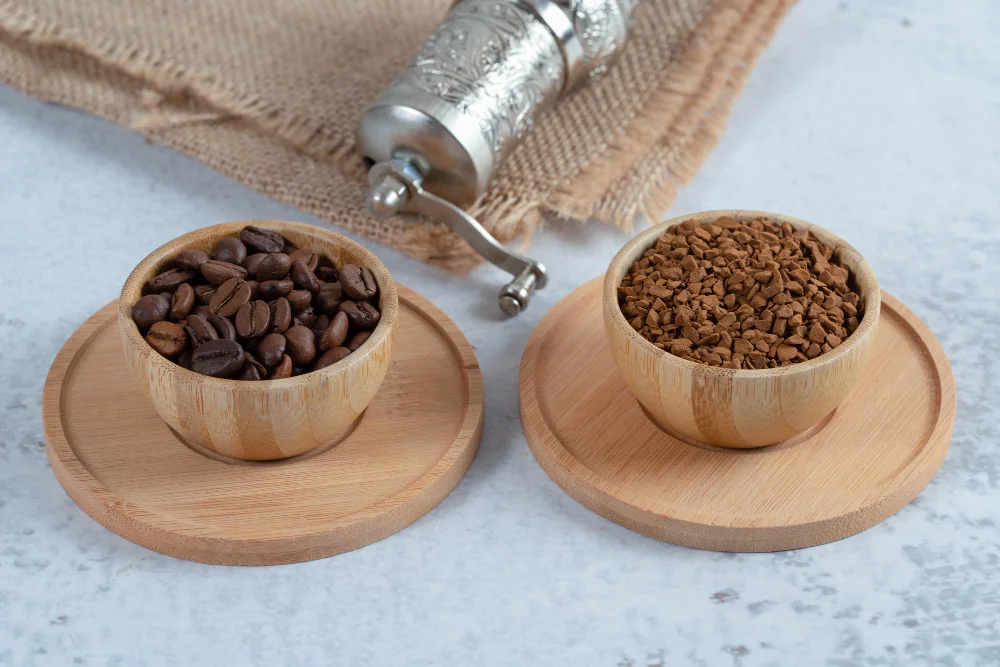
- Coffee Beans
Coffee is one of the world’s most traded agricultural products, but how it is grown matters as much as where it is grown. Behind every bag of beans is a farming system that can either damage ecosystems or help protect them.
One of the most important examples of sustainable cultivation is shade-grown coffee. Unlike sun-intensive industrial systems, shade-grown coffee is cultivated beneath a canopy of trees, often within diverse agroforestry landscapes.
That matters because shade-grown coffee can support birds, insects, soil life, water systems, and long-term farm resilience.
In short: the way coffee is grown can influence the future of biodiversity.
What Is Shade-Grown Coffee?
Shade-grown coffee refers to coffee cultivated under tree cover rather than in fully cleared, open monoculture fields.
Instead of removing canopy trees, farmers maintain or plant overhead vegetation that creates a layered environment.
This often includes:
- Native trees
- Fruit trees
- Nitrogen-fixing species
- Mixed vegetation
- Habitat corridors
The result is a more complex ecosystem than sun-grown coffee farms.
Why Coffee Was Traditionally Shade-Grown
Coffee plants originally evolved as understory shrubs in forest environments, especially in regions tied to Ethiopia.
Historically, coffee often thrived under filtered light.
Modern high-yield sun-grown systems became more common when agriculture shifted toward:
- Higher short-term production
- Simplified mechanization
- Intensive fertilizer use
- Monoculture efficiency models
Those systems can increase yields, but often with ecological trade-offs.
How Shade-Grown Coffee Supports Biodiversity
1. Bird Habitat
Shade farms can provide feeding, nesting, and migratory habitat for many bird species.
Tree canopy, insects, berries, and shelter make these farms valuable refuge landscapes, especially where forests have declined.
This is one reason bird-friendly coffee programs gained attention.
2. Pollinator Support
Bees, butterflies, and other pollinators benefit from diverse flowering plants and less sterile environments.
Pollinators matter because they support:
- Coffee flowering systems
- Nearby crops
- Wider ecosystem health
Biodiversity often reinforces agricultural productivity.
3. Insect Balance and Natural Pest Control
More complex ecosystems tend to host predator species such as birds, spiders, and beneficial insects that can help suppress pests naturally.
That may reduce reliance on chemical interventions in some systems.
Nature often solves problems monocultures create.
4. Soil Health
Tree cover contributes:
- Leaf litter
- Organic matter
- Improved microbial activity
- Better moisture retention
- Reduced erosion
Healthy soil supports long-term coffee productivity and resilience.
5. Water Protection
Canopy systems can help moderate runoff, improve infiltration, and reduce erosion into waterways.
This benefits both farms and surrounding communities.
6. Climate Resilience
Shade trees can buffer temperature extremes and reduce heat stress on coffee plants.
As climate pressure rises in many producing regions, this may become increasingly important.
Shade-Grown vs Sun-Grown Coffee
| Factor | Shade-Grown Coffee | Sun-Grown Coffee |
|---|---|---|
| Tree Cover | High | Low or none |
| Biodiversity Potential | Higher | Lower |
| Soil Protection | Stronger | Often weaker |
| Chemical Dependence | Can be lower in some systems | Often higher in intensive systems |
| Heat Buffering | Better | Lower |
| Short-Term Yield Potential | Sometimes lower | Often higher |
This is a simplification, farm management quality still matters.
Does Shade-Grown Coffee Taste Better?
Sometimes, yes, but not automatically.
Flavor depends on many variables:
- Variety
- Altitude
- Processing
- Roast quality
- Harvest practices
- Freshness
However, slower maturation in some shaded environments may support more complex flavor development under certain conditions.
Good farming can support good taste.
Certifications and Labels to Watch
Not every green label means the same thing.
Look for credible indicators such as:
- Smithsonian Migratory Bird Center Bird Friendly
- Rainforest Alliance
- Organic certifications (context dependent)
- Transparent farm sourcing details
Always read beyond the front of the bag.
Economic Reality for Farmers
Shade-grown systems can provide environmental value, but farmers also face real business pressures:
- Yield trade-offs
- Labor demands
- Certification costs
- Market price volatility
- Climate uncertainty
Consumers wanting biodiversity-friendly coffee should understand that better systems often need better pricing support.
Cheap ethical coffee is often a contradiction.
What Consumers Can Do
Buy With Intent
Choose brands that disclose sourcing and ecological practices.
Pay Fairly
If biodiversity matters to you, expect to pay more than bargain-bin commodity coffee.
Reward Transparency
Support roasters that explain farms, methods, and partnerships.
Reduce Waste
Sustainable buying includes how you consume, not only what you buy.
Common Myths
All Shade-Grown Coffee Is Automatically Perfect
False. Management quality still matters.
Sun-Grown Means Always Bad
Oversimplified. Some farms use responsible practices even in sunnier systems.
Consumers Can’t Influence This
False. Demand shapes supply chains over time.
Brutal Truth: Many People Want Sustainability at Discount Prices
They want biodiversity, fair wages, better farming, and premium taste, while buying the cheapest bag available.
Those incentives clash.
If we value healthier ecosystems, purchases need to reflect it.
Final Thoughts
Shade-grown coffee shows that agriculture does not always have to choose between production and ecology. When managed well, these systems can preserve habitat, support biodiversity, improve resilience, and still produce excellent coffee.
Your morning cup connects to landscapes far beyond your kitchen.
Choose coffee that helps those landscapes stay alive.

Deal of Day
Shop
Visit Our Store!
Discover products inspired by our blog — click here to explore the store.
Visit NowEvents
Events-Coffee Culture Live
Don’t miss out on exclusive coffee events and community gatherings.
Coming Soon
Jobs

Subscribe now
Subscribe to our newsletter today for a chance to win a FREE one year coffee subscription after your first order!


