The Rise of Specialty Coffee: What Sets it Apart?
Table of Contents
- What Is Specialty Coffee
- How Specialty Coffee Differs from Commercial Coffee
- Flavor Becomes the Main Focus
- Single Origin Coffee Became More Popular
- Fresh Roasting Changed Coffee Culture
- Brewing Methods Became More Important
- Coffee Shops Became Experience Driven
- Sustainability and Ethical Sourcing Matter More
- Latte Art and Visual Coffee Culture
- Why Younger Consumers Drove Growth
- Challenges in Specialty Coffee
- Why Specialty Coffee Continues Growing
- Final Thoughts

The Rise of Specialty Coffee: What Sets it Apart?
- azeem memon
- 09-19-2024
- 05-23-2026
- 1947 views
- Coffee Beans
Coffee has evolved far beyond a simple morning beverage. Over the past two decades, specialty coffee has transformed the global coffee industry by focusing on quality, craftsmanship, transparency, and unique flavor experiences. Consumers today are increasingly interested in where their coffee comes from, how it is processed, and why different coffees taste so distinct.
The rise of specialty coffee reflects a major shift in how people view and experience coffee culture around the world.
What Is Specialty Coffee
Specialty coffee refers to high quality coffee that is carefully grown, harvested, processed, roasted, and brewed to highlight its best possible flavor characteristics.
Unlike mass produced commercial coffee, specialty coffee focuses heavily on:
Bean quality
Freshness
Traceability
Flavor complexity
Ethical sourcing
Coffee must meet strict grading standards to be classified as specialty grade.
How Specialty Coffee Differs from Commercial Coffee
Commercial coffee is usually designed for consistency and large scale production. Specialty coffee, on the other hand, prioritizes flavor and quality over mass production efficiency.
Commercial Coffee
Often mass produced
Lower grade beans
Heavily roasted for consistency
Limited flavor complexity
Specialty Coffee
Higher quality beans
Careful processing methods
Fresh roasting
Distinct regional flavors
The difference becomes noticeable in aroma, balance, sweetness, and overall clarity of flavor.
Flavor Becomes the Main Focus
One of the biggest reasons specialty coffee became popular is flavor diversity.
Specialty coffee can contain tasting notes similar to:
Chocolate
Berry
Citrus
Caramel
Flowers
Honey
Nuts
These flavors are naturally created through growing conditions, altitude, processing methods, and roasting styles rather than artificial additives.
For many people, specialty coffee feels more similar to wine tasting than traditional coffee drinking.
Single Origin Coffee Became More Popular
The rise of specialty coffee also increased interest in single origin coffee.
Single origin coffee comes from one specific farm, region, or country instead of blending beans from multiple locations.
This allows coffee drinkers to experience the unique flavor characteristics created by different growing environments.
For example:
Ethiopian coffee may taste fruity and floral.
Brazilian coffee often tastes nutty and chocolatey.
Kenyan coffee may have bright berry flavors.
Consumers became more interested in exploring these regional differences.
Fresh Roasting Changed Coffee Culture
Specialty coffee roasters usually roast in smaller batches to preserve freshness and flavor clarity.
Unlike commercial coffee that may sit on shelves for long periods, specialty coffee emphasizes:
Recent roast dates
Whole bean freshness
Proper storage
Fresh roasting allows the natural flavors of the coffee bean to remain more vibrant and noticeable.
Brewing Methods Became More Important
The specialty coffee movement also popularized manual brewing methods.
Popular methods include:
Pour over coffee
French press
AeroPress
Chemex
Espresso
Each brewing style extracts flavor differently and allows coffee enthusiasts greater control over the final cup.
Coffee preparation became more precise and intentional.
Coffee Shops Became Experience Driven
Specialty coffee shops changed cafe culture significantly.
Modern cafes began focusing on:
Minimalist design
Skilled baristas
Manual brewing
Coffee education
Unique drink menus
Customers no longer visited coffee shops only for caffeine. They also came for atmosphere, craftsmanship, and social experience.
Sustainability and Ethical Sourcing Matter More
Specialty coffee consumers increasingly care about how coffee is sourced and produced.
This includes interest in:
Farmer compensation
Direct trade relationships
Environmental sustainability
Organic farming
Many specialty coffee companies prioritize transparency throughout the supply chain.
Consumers want to know who grew the coffee and how farmers are treated.
Latte Art and Visual Coffee Culture
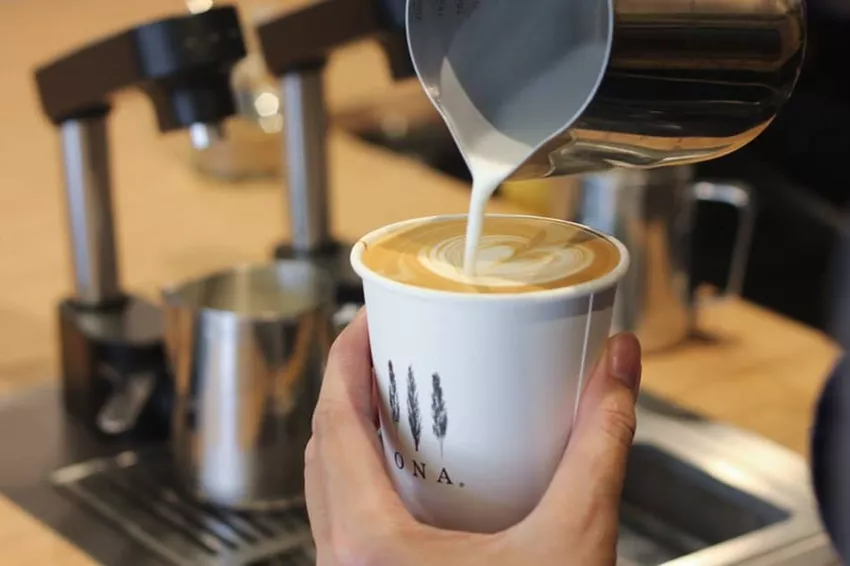
Specialty coffee also became heavily connected to visual presentation.
Latte art, cafe aesthetics, and beautifully prepared drinks gained popularity through social media and modern coffee culture.
Coffee became not only something to drink but also something to photograph, share, and experience visually.
Why Younger Consumers Drove Growth
Younger consumers played a major role in the rise of specialty coffee because they valued:
Quality over quantity
Unique experiences
Craftsmanship
Ethical sourcing
Customization
Coffee became connected to lifestyle and identity rather than simple convenience.
This shift helped independent cafes and premium coffee brands grow rapidly.
Challenges in Specialty Coffee
Despite its growth, specialty coffee still faces challenges such as:
Climate change
Rising production costs
Supply chain instability
Farmer income inequality
Maintaining high quality while supporting sustainability remains one of the industry’s biggest long term goals.
Why Specialty Coffee Continues Growing
Specialty coffee continues expanding because consumers increasingly appreciate quality and experience.
People want:
Better tasting coffee
More transparency
Fresh ingredients
Personalized drinks
Higher craftsmanship
As coffee education grows globally, more consumers are becoming interested in flavor complexity and brewing techniques.
Final Thoughts
The rise of specialty coffee transformed coffee culture by shifting attention toward quality, freshness, flavor, and ethical sourcing. What sets specialty coffee apart is the care involved at every stage, from farming and roasting to brewing and presentation.
For coffee lovers, specialty coffee offers more than caffeine. It creates a deeper and more personal experience that celebrates craftsmanship, origin, and the incredible diversity hidden inside every coffee bean.

Deal of Day
Shop
Visit Our Store!
Discover products inspired by our blog — click here to explore the store.
Visit NowEvents
Events-Coffee Culture Live
Don’t miss out on exclusive coffee events and community gatherings.
Coming Soon
Jobs

Subscribe now
Subscribe to our newsletter today for a chance to win a FREE one year coffee subscription after your first order!


