THE COFFEE PRODUCTION



THE COFFEE PRODUCTION
- Shelli Galici
- 01-24-2017
- 06-20-2026
- 3897 views
- Featured Articles, Travel
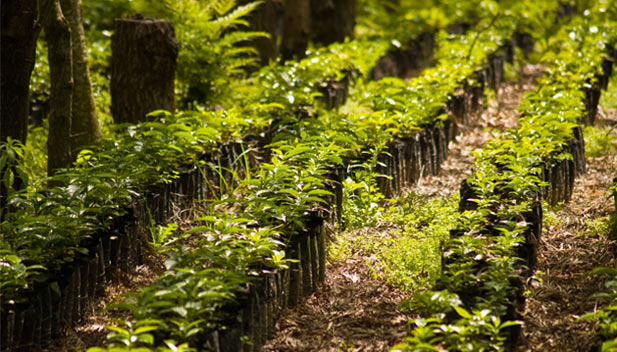
Coffee does not start in a cup. It starts on a farm, shaped by climate, soil, and human effort long before it reaches a café.
If you only understand brewing, you are missing most of the story. Coffee production is where quality is truly decided.
Where Coffee Is Grown
Coffee grows best in what is known as the Coffee Belt, a region around the equator with ideal temperature, altitude, and rainfall.
Countries like Brazil, Colombia, and Ethiopia dominate global production.
Each region produces beans with distinct flavor profiles influenced by its environment.
The Coffee Plant And Cherries
Coffee comes from a plant that produces small red fruits called cherries.
Inside each cherry are typically two coffee beans. These beans are what eventually get roasted and brewed.
The quality of the final cup depends heavily on how these cherries are grown and harvested.
Harvesting The Coffee
There are two main methods of harvesting.
Hand picking and machine harvesting.
Hand picking is more precise. Workers select only ripe cherries, which leads to better quality. Machine harvesting is faster but less selective, often collecting both ripe and unripe cherries.
This step directly impacts consistency.
Processing Methods
Once harvested, coffee cherries need to be processed to extract the beans.
There are three main methods.
Washed process removes the fruit before drying, resulting in cleaner and brighter flavors.
Natural process dries the whole cherry, creating sweeter and fruitier profiles.
Honey process sits in between, leaving some fruit on the bean for balanced flavor.
Processing is one of the biggest factors in how coffee tastes.
Drying And Milling
After processing, the beans are dried until they reach the right moisture level.
Then comes milling, where layers like parchment are removed, and beans are sorted based on size, weight, and quality.
Defective beans are removed to maintain consistency.
Exporting And Trading
Green coffee beans are packed and shipped worldwide.
This is where coffee becomes part of a global supply chain, moving from farms to roasters in different countries.
Pricing, demand, and quality all play a role in how coffee is traded.
Roasting The Beans
Roasting transforms green beans into the aromatic coffee you recognize.
Light roasts preserve origin flavors, while dark roasts create stronger, more bitter profiles.
This step unlocks the chemical compounds that define taste and aroma.
From Roaster To Cup
Once roasted, coffee is ground and brewed using different methods.
Everything from espresso machines to manual brewing techniques affects the final result.
At this stage, small changes can still influence taste, but most of the quality has already been decided earlier in production.
Final Thoughts
Coffee production is a complex chain where every step matters.
From the farm to the final brew, each stage shapes what ends up in your cup.
If you want to truly understand coffee, you cannot just focus on drinking it.
You need to understand how it is made.




Deal of Day

Shop
Visit Our Store!
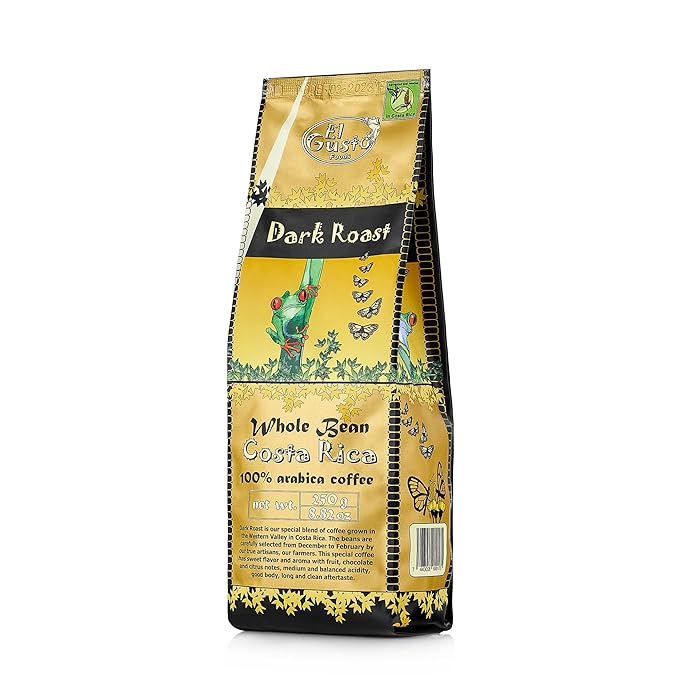
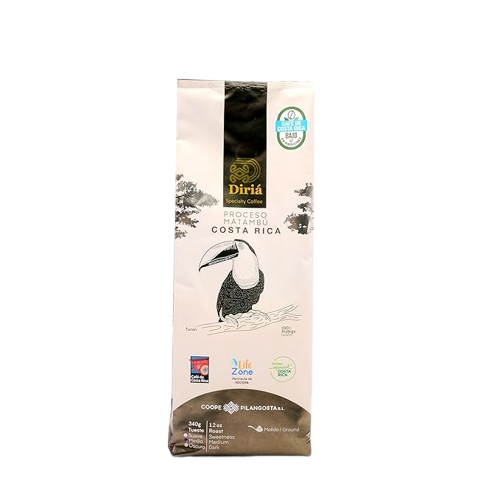
Discover products inspired by our blog — click here to explore the store.
Visit NowEvents

Events-Coffee Culture Live
Don’t miss out on exclusive coffee events and community gatherings.
Coming Soon
Jobs


Subscribe now
Subscribe to our newsletter today for a chance to win a FREE one year coffee subscription after your first order!