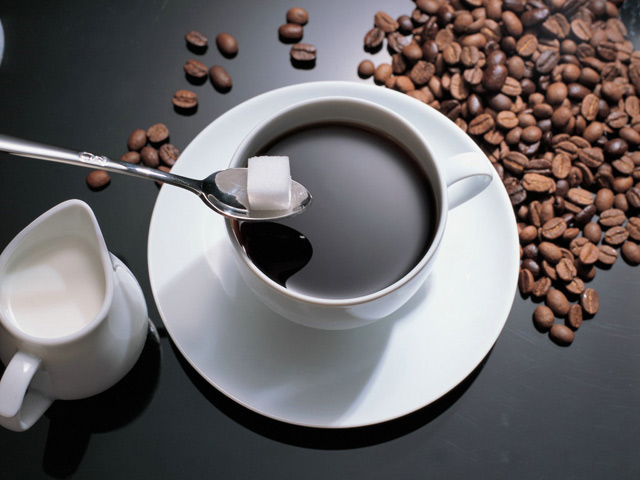
What happens to your coffee when you add sugar?
Table of Contents
- How Coffee Naturally Tastes
- Sugar Reduces Perceived Bitterness
- Sugar Changes Flavor Balance
- Sugar Affects Mouthfeel
- Aroma Perception Can Change
- Different Sugars Affect Coffee Differently
- Sugar and Acidity
- Does Sugar Improve Coffee
- What Happens in the Brain
- Potential Downsides of Adding Too Much Sugar
- Why Some People Eventually Prefer Black Coffee
- Final Thoughts



What happens to your coffee when you add sugar?
- Shelli Galici
- 10-17-2018
- 06-17-2026
- 3381 views
- Featured Articles, Coffee Tips, Information
Adding sugar to coffee is one of the most common habits in the world. Some people enjoy coffee completely black, while others prefer a sweeter and smoother taste. But sugar does much more than simply make coffee sweet.
When sugar is added to coffee, it changes flavor perception, mouthfeel, aroma balance, and even how the brain experiences bitterness. Understanding what actually happens inside the cup helps explain why coffee can taste dramatically different with even a small spoon of sugar.
How Coffee Naturally Tastes
Coffee contains hundreds of chemical compounds that create flavors ranging from:
Bitterness
Sweetness
Acidity
Fruitiness
Chocolate notes
Nutty flavors
Caramel tones
Earthiness
The exact flavor depends on factors like:
Coffee bean origin
Roast level
Brewing method
Water quality
Grind size
Freshness
Without sugar, the natural bitterness and acidity of coffee are easier to detect.
Sugar Reduces Perceived Bitterness
One of the biggest changes sugar creates is reducing bitterness perception.
Coffee naturally contains bitter compounds, especially in darker roasts or over extracted brews. When sugar is added, sweetness interacts with taste receptors on the tongue and balances those bitter sensations.
The bitterness does not disappear chemically, but the brain perceives it differently because sweetness competes with bitterness during taste processing.
This is why sweetened coffee often tastes smoother and less harsh.
Sugar Changes Flavor Balance
Adding sugar can enhance certain flavor notes while hiding others.
What Sugar May Enhance
Chocolate notes
Caramel flavors
Nutty characteristics
Dessert like sweetness
What Sugar May Mask
Bright acidity
Floral notes
Fruity complexity
Subtle specialty coffee characteristics
In high quality specialty coffee, excessive sugar may overpower delicate tasting notes that coffee professionals work carefully to preserve.
Sugar Affects Mouthfeel
Sweetened coffee often feels richer and fuller on the palate.
Sugar slightly changes the texture perception of liquids, creating a smoother drinking experience. This is one reason sweet coffee drinks often feel more comforting and indulgent.
Aroma Perception Can Change
Taste and smell work closely together.
When coffee becomes sweeter, the brain may interpret aromas differently. Sweetness can make coffee smell more dessert like or chocolate forward even if the coffee itself has not changed chemically.
This psychological interaction strongly affects overall coffee enjoyment.
Different Sugars Affect Coffee Differently
Not all sweeteners create the same flavor profile.
White Sugar
Provides clean sweetness without adding additional flavors.
Brown Sugar
Adds deeper caramel and molasses notes that pair especially well with dark roast coffee.
Maple Syrup
Creates earthy sweetness with warm complexity.
Honey
Adds floral and natural sweetness that changes coffee aroma significantly.
Artificial Sweeteners
These may create sweetness without calories, but some people notice a different aftertaste compared to natural sugar.
Sugar and Acidity
Coffee acidity is often misunderstood.
In coffee tasting, acidity refers to brightness and liveliness rather than stomach acid. Sugar softens the perception of sharp acidity, making coffee taste rounder and smoother.
This is why highly acidic coffee sometimes becomes easier to enjoy with a small amount of sweetness.
Does Sugar Improve Coffee
That depends entirely on personal preference and coffee quality.
For Casual Coffee Drinkers
Sugar often makes coffee more approachable, smoother, and comforting.
For Specialty Coffee Enthusiasts
Many prefer black coffee because it allows them to experience the bean’s original flavor profile without interference.
Neither approach is objectively correct. Coffee enjoyment is highly personal.
What Happens in the Brain
When sugar and caffeine combine, the brain experiences two powerful stimulants together.
Caffeine
Increases alertness and mental stimulation.
Sugar
Provides quick energy and activates reward pathways connected to pleasure and satisfaction.
This combination partly explains why sweet coffee drinks can feel especially comforting and energizing.
Potential Downsides of Adding Too Much Sugar
While moderate sweetness is common, excessive sugar intake may create health concerns over time.
Large amounts of sugar in coffee may contribute to:
Excess calorie intake
Blood sugar spikes
Energy crashes
Increased cravings
Weight gain when consumed excessively
Many commercial coffee drinks contain far more sugar than people realize.
Why Some People Eventually Prefer Black Coffee
Over time, regular coffee drinkers often become more sensitive to coffee’s natural flavors.
As the palate adjusts, many people begin appreciating:
Origin characteristics
Roast complexity
Natural sweetness
Acidity balance
Body and texture
This is why specialty coffee culture often emphasizes tasting coffee without sugar first.
Final Thoughts
Adding sugar to coffee changes far more than sweetness alone. It reduces bitterness perception, softens acidity, alters flavor balance, changes mouthfeel, and influences how the brain experiences the drink overall.
For some people, sugar transforms coffee into a smoother and more enjoyable experience. For others, it hides the natural complexity that makes coffee unique.
Ultimately, the best way to drink coffee is the way you genuinely enjoy it. Whether black, lightly sweetened, or fully customized, understanding how sugar interacts with coffee helps deepen appreciation for what happens inside every cup.




Deal of Day

Shop
Visit Our Store!
Discover products inspired by our blog — click here to explore the store.
Visit NowEvents

Events-Coffee Culture Live
Don’t miss out on exclusive coffee events and community gatherings.
Coming Soon
Jobs

Subscribe now
Subscribe to our newsletter today for a chance to win a FREE one year coffee subscription after your first order!