
Will robot baristas are the new human baristas?
Will robot baristas are the new human baristas?
- Shelli Galici
- 11-26-2018
- 06-17-2026
- 2305 views
- Featured Articles, Coffee Shop, Information
Robot baristas are becoming more common in coffee shops around the world, but they are unlikely to fully replace human baristas anytime soon. Instead, the coffee industry is moving toward a mix of automation and human interaction where robots handle repetitive tasks while people continue managing customer experience, creativity, and cafe culture.
Why Robot Baristas Are Growing
Coffee businesses are constantly searching for ways to improve speed, consistency, and operational costs. Robot baristas can prepare drinks with high precision, work continuously for long hours, and reduce staffing challenges.
In busy locations such as airports, shopping malls, and office buildings, robotic systems are becoming attractive because they can operate efficiently with minimal downtime. Some robotic coffee systems can serve drinks around the clock without breaks or shift scheduling issues.
Consistency Is a Major Advantage
One of the biggest advantages of robot baristas is consistency. Machines can repeat the same brewing process with very little variation, helping maintain stable drink quality from one cup to another.
For large coffee businesses, consistency is extremely important because customers expect the same taste every time they order a drink.
The Human Experience Still Matters
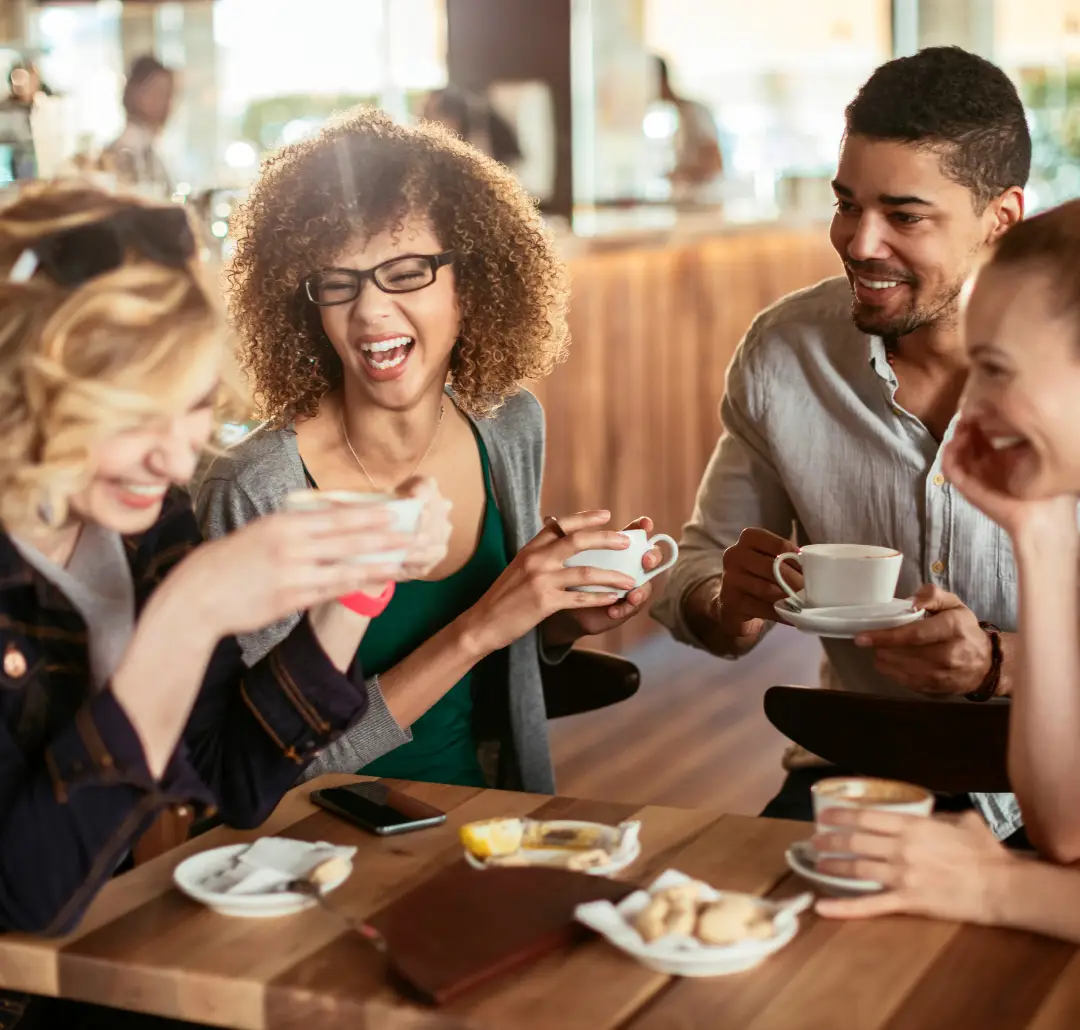
Even with advanced robotics, coffee culture is still heavily built around human connection. Many customers visit cafes not only for coffee but also for conversation, atmosphere, personality, and community.
Human baristas create experiences that machines currently cannot fully replicate. Friendly interactions, remembering regular customers, casual conversations, and emotional connection remain important parts of cafe culture.
Where Robot Baristas Work Best
Robot baristas are most effective in environments where speed and efficiency matter more than personal interaction. Examples include:
- Airports
- Train stations
- Office buildings
- Convenience stores
- High traffic shopping areas
In these places, customers usually prioritize fast service over social cafe experiences.
Specialty Cafes Still Depend on Humans
Specialty coffee shops are less likely to become fully automated because much of their value comes from craftsmanship and hospitality. Latte art, brewing recommendations, customer interaction, and coffee education are difficult to automate naturally.
Many independent cafes build their identity around the personality and skills of their baristas. That human element remains a major reason people continue visiting specialty coffee shops.
Automation Will Continue Expanding
Although full replacement is unlikely in the near future, automation inside coffee shops will continue growing. Technology is already helping cafes with:
- Order management
- Inventory tracking
- Automated brewing systems
- Mobile ordering
- Faster drink preparation
The coffee industry is moving toward technology assisted service rather than fully robotic cafes.
Final Thoughts
Robot baristas are not likely to completely replace human baristas, but they will become a larger part of the coffee industry over time. Automation works extremely well for speed, consistency, and operational efficiency, especially in high volume environments.
However, coffee shops are still social spaces built around atmosphere and human interaction. Most customers do not only buy coffee. They also enjoy the experience, comfort, and connection that come with visiting a cafe.
The future of coffee will most likely combine technology and human creativity together rather than replacing people entirely.


Deal of Day
Shop
Visit Our Store!
Discover products inspired by our blog — click here to explore the store.
Visit NowEvents
Events-Coffee Culture Live
Don’t miss out on exclusive coffee events and community gatherings.
Coming Soon
Jobs
Subscribe now
Subscribe to our newsletter today for a chance to win a FREE one year coffee subscription after your first order!


