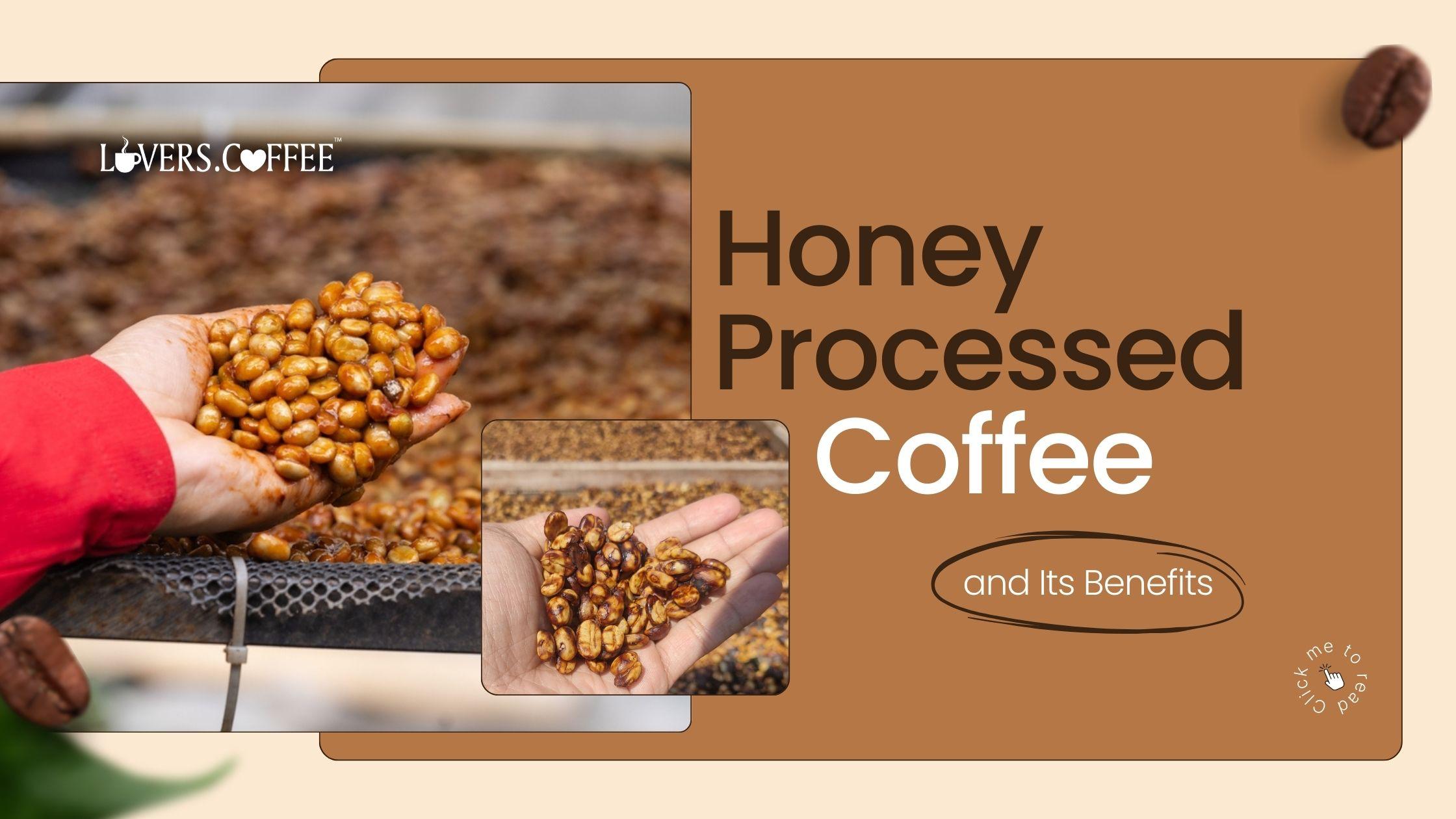
Honey Processed Coffee and Its Benefits
Table of Contents
- What is Honey Processed Coffee?
- Key Characteristics
- How Honey Processed Coffee is Made
- 1. Harvesting the Coffee Cherries
- 2. Depulping
- 3. Drying the Beans
- 4. Hulling
- Types of Honey Processed Coffee
- Flavor Profile of Honey Processed Coffee
- Common Flavor Notes
- Benefits of Honey Processed Coffee
- 1. Naturally Sweeter Flavor
- 2. Balanced Acidity
- 3. Environmentally Friendly
- 4. More Complex Taste
- Is Honey Processed Coffee Worth Trying?




Honey Processed Coffee and Its Benefits
- azeem memon
- 03-06-2026
- 03-06-2026
- 310 views
- Information
Coffee lovers are always searching for new flavors and unique processing methods that change how coffee tastes in the cup. One of the most interesting and flavorful methods gaining popularity among specialty coffee enthusiasts is honey processed coffee. Despite its name, this method doesn’t involve actual honey. Instead, it refers to the sticky, honey-like fruit layer (called mucilage) that remains on the coffee beans during drying.
In recent years, honey processing has become increasingly popular across specialty coffee markets in the United States and Europe, especially among roasters looking for complex sweetness and balanced acidity. According to the Specialty Coffee Association, alternative processing methods like honey and natural processing have helped drive a surge in specialty coffee demand, which now represents over 60% of the U.S. coffee market. If you enjoy smooth, sweet coffee with rich body, honey processed coffee might become your new favorite brew.
What is Honey Processed Coffee?
Honey processed coffee is a hybrid coffee processing method that sits between the traditional washed process and the natural process.
During coffee processing, the outer cherry skin is removed after harvesting. In the honey process, the sticky fruit layer (mucilage) is intentionally left on the coffee bean while it dries. This layer ferments slightly and infuses the beans with natural sugars, creating a sweeter and more complex flavor profile.
Key Characteristics
- Partial mucilage remains on the bean during drying
- Beans are typically dried on raised beds or patios
- Produces a naturally sweet, fruity flavor
- Balanced acidity with medium body
How Honey Processed Coffee is Made
The honey process involves several careful steps to maintain flavor quality and prevent over-fermentation.
1. Harvesting the Coffee Cherries
Farmers handpick ripe coffee cherries to ensure consistent quality.
2. Depulping
The outer skin of the cherry is removed using a depulping machine, but the sticky mucilage layer remains attached to the bean.
3. Drying the Beans
The beans are spread across drying beds or patios with the mucilage intact. Farmers frequently rotate them to control fermentation and avoid mold.
4. Hulling
Once the beans reach the proper moisture level (usually around 10–12% moisture content), the dried layer is removed before roasting.
Types of Honey Processed Coffee
Different levels of mucilage left on the bean create variations in honey processed coffee. These variations influence flavor intensity, sweetness, and body.
| Type | Mucilage Left | Flavor Profile |
|---|---|---|
| White Honey | Very little mucilage | Clean, mild sweetness |
| Yellow Honey | Moderate mucilage | Balanced sweetness and acidity |
| Red Honey | High mucilage | Fruity and complex |
| Black Honey | Maximum mucilage | Deep sweetness, heavy body |
Flavor Profile of Honey Processed Coffee
One of the main reasons coffee enthusiasts love this processing method is its distinctive flavor profile.
Common Flavor Notes
- Caramel sweetness
- Honey-like smoothness
- Stone fruits (peach, apricot)
- Brown sugar
- Light citrus acidity
Compared to washed coffee, honey processed coffee is sweeter and fuller-bodied while still maintaining more clarity than natural-processed coffee.
Benefits of Honey Processed Coffee
Honey processed coffee offers several advantages for both coffee farmers and consumers.
1. Naturally Sweeter Flavor
The mucilage sugars remain on the beans during drying, producing a naturally sweet cup without added sugar.
2. Balanced Acidity
Unlike natural coffees that can sometimes taste overly fermented, honey processed coffee maintains clean acidity with rich sweetness.
3. Environmentally Friendly
Compared to washed processing, honey processing uses significantly less water, making it a more sustainable method.
4. More Complex Taste
Coffee lovers appreciate honey processed beans because they deliver complex flavor layers that combine fruity and caramel notes.
Is Honey Processed Coffee Worth Trying?
If you enjoy coffee with natural sweetness, smooth body, and balanced acidity, honey processed coffee is absolutely worth trying. This unique processing method preserves the sugars from the coffee fruit, resulting in a complex flavor that many coffee lovers find more enjoyable than traditional washed coffee.
With its sustainable processing method, rich taste profile, and growing popularity in specialty coffee markets, honey processed coffee represents an exciting evolution in the world of coffee. The next time you’re choosing a new bag of beans, consider exploring honey processed coffee you might discover a whole new dimension of flavor in your cup.
If you want more coffee information, recipes, and seasonal coffee trends, make sure to check our blog daily and explore the Lovers.coffee marketplace for everything you need to make your holiday moments even sweeter.




Deal of Day

Shop

Visit Our Store!
Discover products inspired by our blog — click here to explore the store.
Visit NowEvents

Events-Coffee Culture Live
Don’t miss out on exclusive coffee events and community gatherings.
Coming Soon
Jobs


Subscribe now
Subscribe to our newsletter today for a chance to win a FREE one year coffee subscription after your first order!