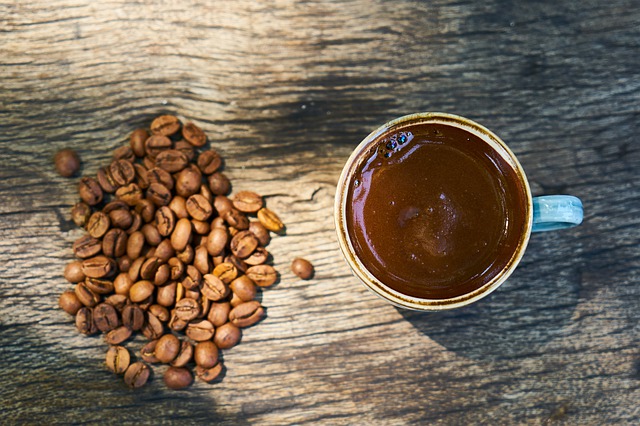
Why does coffee the devil’s drink?


Why does coffee the devil’s drink?
- Shelli Galici
- 05-30-2019
- 05-25-2026
- 5340 views
- Featured Articles, Coffee Beans, Information
It sounds dramatic, almost like a branding stunt, but the phrase has real historical roots. Coffee didn’t just enter cultures quietly; it disrupted habits, challenged norms, and triggered suspicion.
Here’s how a simple beverage earned such a loaded reputation.
The Early Suspicion: A Strange, Powerful Drink
When coffee first spread from East Africa and the Arabian Peninsula into the wider Islamic world, it behaved unlike anything people were used to.
- It energized instead of calming
- It kept people awake deep into the night
- It fueled long conversations and debate
In cities like Mecca, coffeehouses became hubs of discussion, religious, political, intellectual.
For some authorities, that wasn’t harmless. It looked like disruption.
Religious Concerns and Bans
In the 15th and 16th centuries, some religious leaders questioned whether coffee was acceptable under Islamic law.
At times, coffee was:
- Declared intoxicating (even though it isn’t in the traditional sense)
- Temporarily banned in places like Mecca
- Seen as a threat to social order
The concern wasn’t just the drink, it was the behavior around it.
People gathering, debating, and staying up late created unease among those in power.
Europe Reacts: Fear Meets Curiosity
When coffee reached Europe in the 16th century, the reaction wasn’t immediately positive.
Many Christians were skeptical of this dark, bitter drink coming from Muslim regions. Some clergy labeled it:
- The drink of infidels
- Or more dramatically, the devil’s drink
The idea was simple:
If it came from outside Christian culture and altered behavior, it must be suspicious.
The Turning Point: Papal Approval
The narrative changed with Pope Clement VIII.
According to historical accounts, he was asked to condemn coffee. Instead, after tasting it, he reportedly approved it, making a remark along the lines that it was too good to be left to non-Christians.
That moment shifted perception.
Coffee went from devilish to socially acceptable, and soon, essential.
Coffeehouses: Centers of Power and Ideas
As coffee spread across Europe, coffeehouses exploded in popularity, especially in cities like London.
They became known as:
- Penny universities
- Places where ideas, politics, and business deals flowed
Once again, the same pattern appeared:
- Authorities worried about gatherings
- Intellectual exchange made power structures uncomfortable
Coffee wasn’t dangerous, but what it enabled could be.
Why the Label Stuck
Calling coffee the devil’s drink wasn’t really about the liquid.
It reflected fear of:
- Change
- New cultural influences
- Uncontrolled social spaces
- People thinking and talking freely
In other words, coffee was blamed for the effects it amplified.
The Irony
Today, coffee is one of the most widely consumed beverages on the planet.
What was once feared is now normalized, even essential to modern productivity.
The same qualities that triggered suspicion, alertness, conversation, stimulation, are exactly why people rely on it daily.
Final Thoughts
Coffee was never the devil’s drink.
It was a catalyst.
And like any catalyst, it made existing tensions more visible, social, cultural, and intellectual.
That’s what people reacted to.
Not the coffee itself.




Deal of Day
Shop
Visit Our Store!
Discover products inspired by our blog — click here to explore the store.
Visit NowEvents

Events-Coffee Culture Live
Don’t miss out on exclusive coffee events and community gatherings.
Coming Soon
Jobs

Subscribe now
Subscribe to our newsletter today for a chance to win a FREE one year coffee subscription after your first order!