Why Vietnam Robusta Coffee Boom May Be Changing



Why Vietnam Robusta Coffee Boom May Be Changing
- azeem memon
- 09-15-2026
- 09-15-2026
- 1 views
- Information
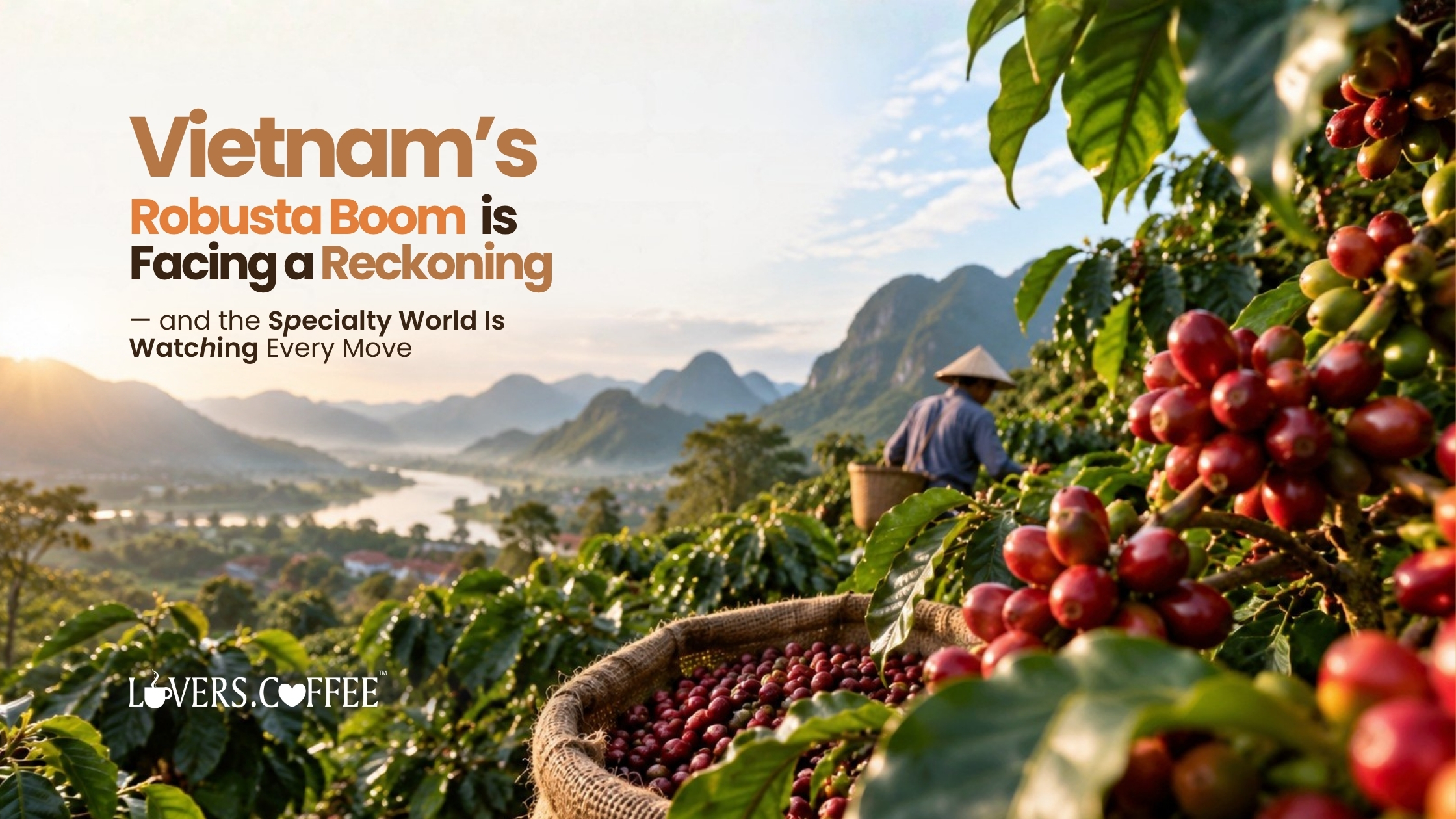
Vietnam Robusta coffee boom has helped make the country one of the most important forces in the global coffee market. But the story is no longer as simple as rising production and strong exports. USDA forecasts Vietnam’s 2026/27 coffee production at 32.5 million 60-kg bags, including 31.4 million bags of Robusta, as renewed plantations and improved yields push output higher.
The bigger question is what happens next. Higher production does not automatically mean higher profits, especially as farmers face rising input costs, water stress, changing weather patterns and growing pressure to deliver better quality and traceability. At the same time, Vietnam is trying to move beyond its reputation as a commodity Robusta supplier by investing in processing and higher-value specialty coffee. Vietnam’s Robusta boom may be entering a new phase, where the real competition is no longer about how many beans the country can produce, but how much value it can create from them.
Why Vietnam’s Robusta Coffee Industry Has Exploded
Vietnam’s rise as a Robusta coffee powerhouse did not happen by accident. The country has built an unusually efficient coffee-growing system around Robusta, particularly across the Central Highlands, where the climate, elevation and agricultural conditions are well suited to the crop. Over time, investment in farming practices, irrigation, processing and export infrastructure helped Vietnamese producers supply enormous quantities of coffee to international buyers.
The scale of that production has made Vietnam especially important to companies that rely on Robusta for instant coffee, espresso blends and other commercial products. Unlike Arabica, which is often associated with specialty coffee and higher-altitude growing regions, Robusta offers strong yields, higher caffeine content and a distinctive full-bodied character. Those characteristics make it economically valuable when coffee companies need to balance flavor, cost and supply.
Vietnam’s Position in the Global Coffee Market
Vietnam is particularly important because its coffee industry is heavily concentrated around Robusta production. USDA forecasts about 31.4 million 60-kg bags of Robusta coffee production for the 2026/27 season, compared with total coffee production of approximately 32.5 million bags. That means Robusta accounts for the overwhelming majority of Vietnam’s coffee output.
This concentration has also made Vietnam highly exposed to changes in the global Robusta market. When international demand rises or supplies from competing origins tighten, Vietnamese coffee can become extremely valuable. But the opposite is also true: when production rebounds across major producing countries, increased supply can put pressure on prices and farmer margins.
Why Roasters Are Paying More Attention to Robusta
For years, many specialty coffee consumers viewed Robusta as inferior to Arabica. That perception is beginning to change. Better cultivation, selective harvesting, improved processing and experimentation with fermentation are allowing some producers to produce cleaner, sweeter and more complex Robusta coffees.
For roasters, this creates an interesting opportunity. High-quality Robusta can bring body, crema, caffeine and intensity to an espresso blend while potentially offering a different cost structure from premium Arabica. The growing interest in Fine Robusta also gives Vietnam an opportunity to move from being primarily a supplier of volume to becoming a source of differentiated coffee.
That shift could ultimately determine whether Vietnam’s next coffee chapter is simply another production boom or the beginning of a higher-value Robusta industry.
How Big Is Vietnam’s Robusta Coffee Boom in 2026?
Vietnam’s Robusta expansion is still substantial, but the latest numbers reveal a more complicated picture than a simple production boom. USDA forecasts Vietnam’s total coffee production for the 2026/27 marketing year at 32.5 million 60-kg bags, including 31.4 million bags of Robusta. That would put Robusta production above the estimated 30.5 million bags produced in 2025/26.
Export data tells a different part of the story. Vietnam shipped approximately 1.2 million tonnes of coffee during the first seven months of 2026, up 10.8% from the same period a year earlier. Yet export value fell 11.2% to about $5.45 billion, because the average export price dropped to roughly $4,537 per tonne, down 19.9% year over year.
| Vietnam Coffee Metric | 2026 Snapshot |
|---|---|
| Forecast total coffee production, 2026/27 | 32.5M 60-kg bags |
| Forecast Robusta production | 31.4M bags |
| Coffee exports, Jan–Jul 2026 | ~1.2M tonnes |
| Export volume change | +10.8% |
| Export value, Jan–Jul 2026 | ~$5.45B |
| Export value change | -11.2% |
| Average export price | ~$4,537/tonne |
| Average price change | -19.9% |
The contrast matters. Vietnam is moving more coffee into the global market while earning less per tonne than it did a year earlier. That suggests the next challenge for the country’s coffee sector is not simply producing more beans. Farmers, exporters and processors increasingly need to protect margins through productivity, quality improvements, processing and higher-value markets.
There are also structural reasons to watch the production numbers carefully. USDA estimates that Vietnam’s harvested Robusta area could reach 644,000 hectares in 2026/27, while renewed plantations from recent replanting programs enter more productive stages. At the same time, around 30% of Vietnam’s existing coffee area is estimated to be at least 20 years old and may require renewal to maintain productivity and quality.
That creates an important tension at the heart of Vietnam’s Robusta story: higher yields can strengthen supply, but maintaining that growth will require farmers to manage aging trees, rising production costs and increasingly unpredictable weather. The boom is continuing, but its economics are becoming much harder to ignore.
What Is Driving Vietnam’s Robusta Growth?
Vietnam’s Robusta coffee growth is being driven by more than simply planting more coffee trees. A combination of strong international demand, favorable production economics, improved farming practices and investment in processing has helped Vietnamese coffee remain highly competitive. As global coffee buyers look for reliable supplies and alternatives to increasingly expensive Arabica, Vietnam’s large Robusta industry has become even more strategically important.
Global Demand for Affordable Coffee
One of the biggest advantages for Vietnamese Robusta is its role in the mainstream coffee market. Robusta is widely used in instant coffee, espresso blends, ready-to-drink beverages and other commercial coffee products because it provides strong body, caffeine and crema while generally costing less than premium Arabica.
That demand gives Vietnam access to a much larger market than specialty coffee alone. When consumers face higher coffee prices, manufacturers also have an incentive to optimize blends and sourcing, which can increase the importance of competitively priced Robusta.
Rising Demand From Instant Coffee Producers
The expansion of instant and soluble coffee has been particularly important for Robusta-producing countries. Instant coffee manufacturers need enormous volumes of consistent green coffee, making Vietnam’s scale a major advantage.
Vietnamese Robusta can provide the volume that industrial buyers require while its established export infrastructure allows coffee to move efficiently into international supply chains. This helps explain why Vietnam remains so important even when specialty coffee trends focus heavily on Arabica.
Arabica Prices and Blend Economics
The widening price difference between Arabica and Robusta can also influence how coffee companies formulate blends. Roasters do not necessarily choose Robusta simply because it is cheaper. They may use it to create a particular flavor profile, body, crema or caffeine level while managing overall bean costs.
This makes Robusta an economic tool as well as a flavor ingredient. For espresso-focused products, a carefully selected Robusta component can contribute intensity and crema without completely replacing Arabica.
Improvements in Vietnamese Coffee Processing
Perhaps the most important long-term development is happening after harvesting. Vietnamese producers are increasingly experimenting with better sorting, fermentation, drying and post-harvest processing to improve cup quality.
This matters because Vietnam’s future may not depend solely on exporting large quantities of conventional Robusta. Higher-quality processing gives producers an opportunity to access premium buyers and develop Fine Robusta offerings that command greater value.
The distinction is crucial: Vietnam already has the production scale. The bigger opportunity is to turn that scale into quality, differentiation and higher margins.
If Vietnamese producers can combine strong production with better processing, traceability and consistent cup quality, Robusta could gradually move from being viewed primarily as a low-cost commodity toward becoming a more respected category within specialty coffee.
Vietnam’s Robusta Future Is About More Than Volume
Vietnam’s Robusta coffee boom continues, but its future depends on more than production. Better processing, quality, traceability and specialty-grade coffee could help Vietnamese producers earn more from every bean. For the global coffee market, that could make Vietnam an even more influential Robusta origin.
If you want more coffee information, recipes, and seasonal coffee trends, make sure to check our blog daily and explore the Lovers.coffee marketplace for everything you need to make your moments even sweeter.




Deal of Day
Shop
Visit Our Store!
Discover products inspired by our blog — click here to explore the store.
Visit NowEvents

Events-Coffee Culture Live
Don’t miss out on exclusive coffee events and community gatherings.
Coming Soon
Jobs


Subscribe now
Subscribe to our newsletter today for a chance to win a FREE one year coffee subscription after your first order!