How Blank Street Coffee Built a $500M Brand
How Blank Street Coffee Built a $500M Brand
- azeem memon
- 09-01-2026
- 09-01-2026
- 11 views
- Information
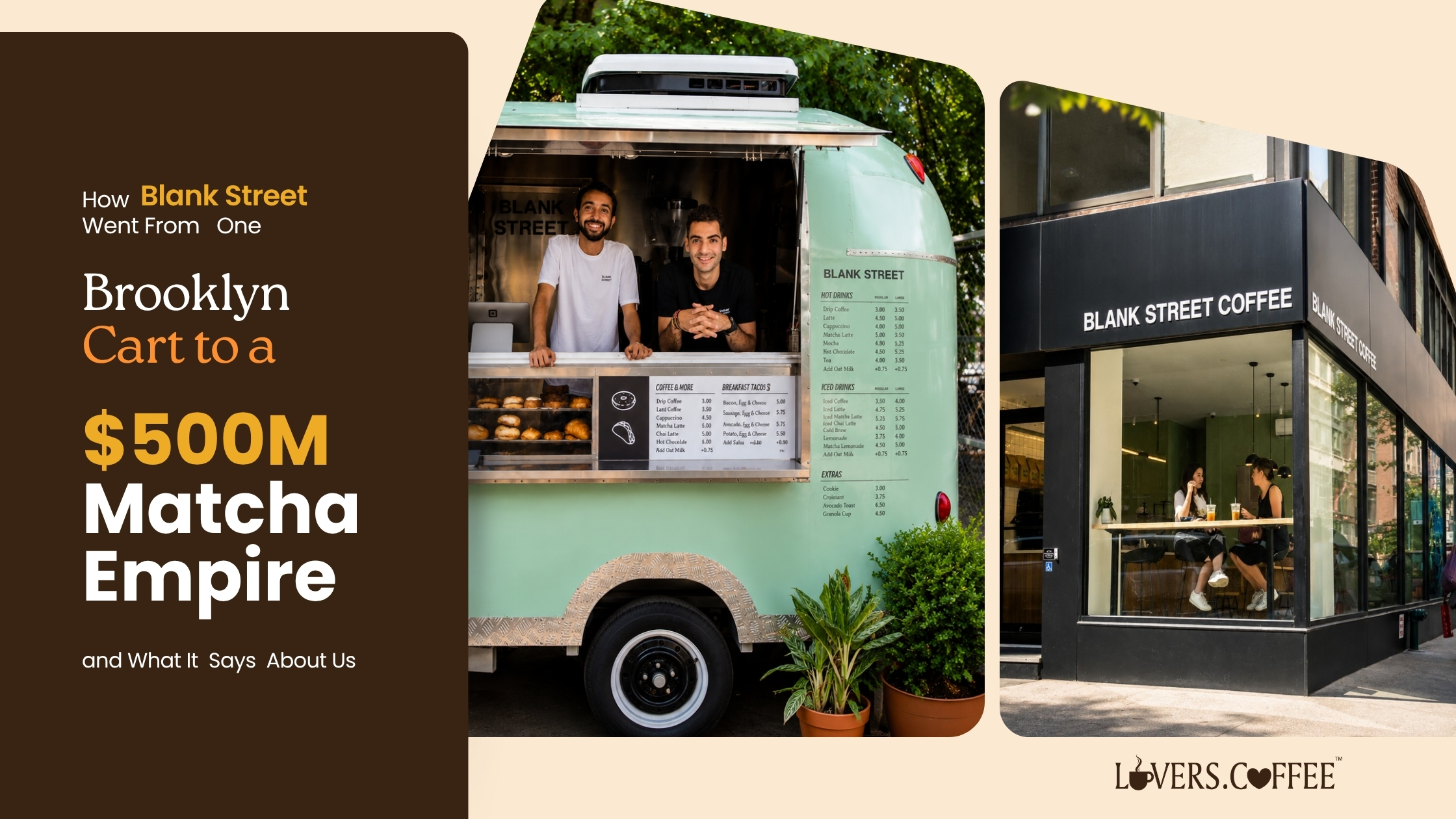
Blank Street Coffee started with a simple idea: make great coffee faster, more conveniently, and at a price that fits into everyday routines. What began as a small Brooklyn coffee cart in 2020 grew into a rapidly expanding beverage brand with a reported valuation of around $500 million. But the company’s growth is about more than opening coffee shops. Blank Street combined small-format locations, digital convenience, social media-driven branding, and an aggressive focus on matcha to connect with a new generation of coffee and beverage customers.
The rise of Blank Street Coffee offers a useful case study for anyone interested in the modern coffee business. Its success shows how the right menu, efficient operations, memorable branding, and consistent beverage quality can turn a simple coffee concept into a scalable business. In this article, we’ll break down how Blank Street grew, why matcha became such an important part of its strategy, and what coffee businesses can learn from its approach when choosing equipment, building menus, and creating a customer experience people want to come back for.
From One Brooklyn Cart to a Growing Coffee Brand
Blank Street Coffee’s story began in Brooklyn in 2020 with a much smaller footprint than the coffee shops most consumers were used to. Instead of starting with a large café, the company launched with a compact coffee cart designed around speed, convenience, and lower operating costs. The model allowed Blank Street to serve customers in high-traffic areas without taking on the same real estate and overhead costs associated with a traditional coffee shop.
That small-format approach became an important part of the company’s growth strategy. Blank Street focused on making specialty coffee accessible through convenient locations, streamlined menus, technology, and consistent preparation. Rather than competing purely on having the largest menu or the biggest café, the brand built its identity around making an everyday coffee purchase quick and appealing. As the company expanded beyond its original Brooklyn roots, this combination of operational efficiency and recognizable branding gave Blank Street a foundation for scaling into a much larger coffee business.
What Made Blank Street Coffee Different?
Blank Street Coffee did not try to win customers by simply becoming another traditional café with a large menu and spacious interiors. Instead, the brand built its customer experience around convenience, affordability, and speed. Its compact locations helped reduce the footprint required for each store, while a focused menu made it easier to maintain consistency and serve drinks quickly. For customers, that translated into a coffee stop that felt simple and easy to fit into a busy day.
The brand also understood that modern coffee customers increasingly care about the experience surrounding the drink itself. A visually appealing menu, convenient ordering, recognizable branding, and products that perform well on social media can all influence where customers choose to spend their money. Blank Street combined these elements with specialty coffee and later expanded its beverage appeal through matcha, creating a brand that could participate in broader beverage trends instead of relying solely on traditional coffee demand.
How Matcha Became Blank Street’s Growth Engine
Matcha became one of the biggest opportunities in Blank Street Coffee’s strategy because it allowed the brand to reach customers who were not necessarily looking for another traditional coffee drink. As matcha gained popularity among younger consumers, Blank Street expanded its menu with colorful, customizable matcha beverages that could appeal to both coffee drinkers and customers looking for an alternative. This helped the company participate in a broader beverage trend while keeping its core coffee identity intact.
The strategy was not simply about adding matcha to the menu. Blank Street turned matcha into a product category that could support experimentation, seasonal flavors, and social media attention. Drinks that looked distinctive were easier for customers to photograph and share, giving the products an additional marketing advantage beyond the purchase itself. For a growing coffee brand, this matters because a successful beverage can do more than generate a sale. It can attract new customers, encourage repeat visits, create online conversation, and give the brand another reason to stay relevant as consumer tastes change.
The Gen Z Marketing Strategy Behind Blank Street
Blank Street Coffee understood that attracting younger customers requires more than serving a good cup of coffee. The brand built a visual identity and customer experience that fit naturally into the social media habits of Gen Z. Its drinks, packaging, store designs, and branding were made highly recognizable, giving customers products they could easily discover, photograph, and share online. This helped turn individual purchases into organic brand exposure.
Social media also gave Blank Street a way to keep its menu culturally relevant. Matcha drinks, seasonal beverages, and visually distinctive products could generate attention without relying entirely on traditional advertising. Instead of treating marketing as something separate from the product, Blank Street made the product itself part of the marketing strategy. That approach is particularly powerful in the coffee industry because customers can become repeat buyers while simultaneously creating content that introduces the brand to new audiences.
write this in bulletin points
What Blank Street Got Right and Wrong
- Compact store model: Smaller locations helped Blank Street operate in high-demand areas while potentially keeping real estate and operating costs more manageable.
- Streamlined customer experience: A focused menu and efficient workflow supported faster service and more consistent drinks.
- Strong product innovation: Adding matcha helped the brand appeal to customers beyond traditional coffee drinkers.
- Gen Z appeal: Visual branding, social media-friendly drinks, and trend-driven products helped Blank Street stay culturally relevant.
- Scalable operations: Standardized processes made it easier to replicate the customer experience as the company expanded.
- Strong brand identity: Blank Street created a recognizable identity instead of competing only on coffee quality or price.
- Risk of trend dependence: Heavy reliance on popular products such as matcha means the brand must continue adapting as consumer preferences change.
- Rapid expansion risks: Opening locations quickly can increase operational complexity, staffing challenges, and costs.
- Consistency becomes harder at scale: Maintaining the same drink quality and customer experience across many locations requires reliable systems and equipment.
- The key lesson for coffee businesses: Growth should be supported by efficient workflows, reliable commercial equipment, consistent beverage quality, careful cost control, and strategic location selection.
The Blueprint Behind Blank Street’s Rise
Blank Street Coffee’s journey from a small Brooklyn cart to a highly valued coffee brand shows how powerful a focused business strategy can be. By combining convenience, strong branding, product innovation, and a deep understanding of changing consumer preferences, the company created a model that stands out in the modern coffee industry. Its growth offers valuable lessons for any coffee brand looking to build relevance, attract new customers, and turn everyday beverage habits into lasting brand loyalty.
If you want more coffee information, recipes, and seasonal coffee trends, make sure to check our blog daily and explore the Lovers.coffee marketplace for everything you need to make your moments even sweeter.

Deal of Day
Shop
Visit Our Store!
Discover products inspired by our blog — click here to explore the store.
Visit NowEvents
Events-Coffee Culture Live
Don’t miss out on exclusive coffee events and community gatherings.
Coming Soon
Jobs

Subscribe now
Subscribe to our newsletter today for a chance to win a FREE one year coffee subscription after your first order!