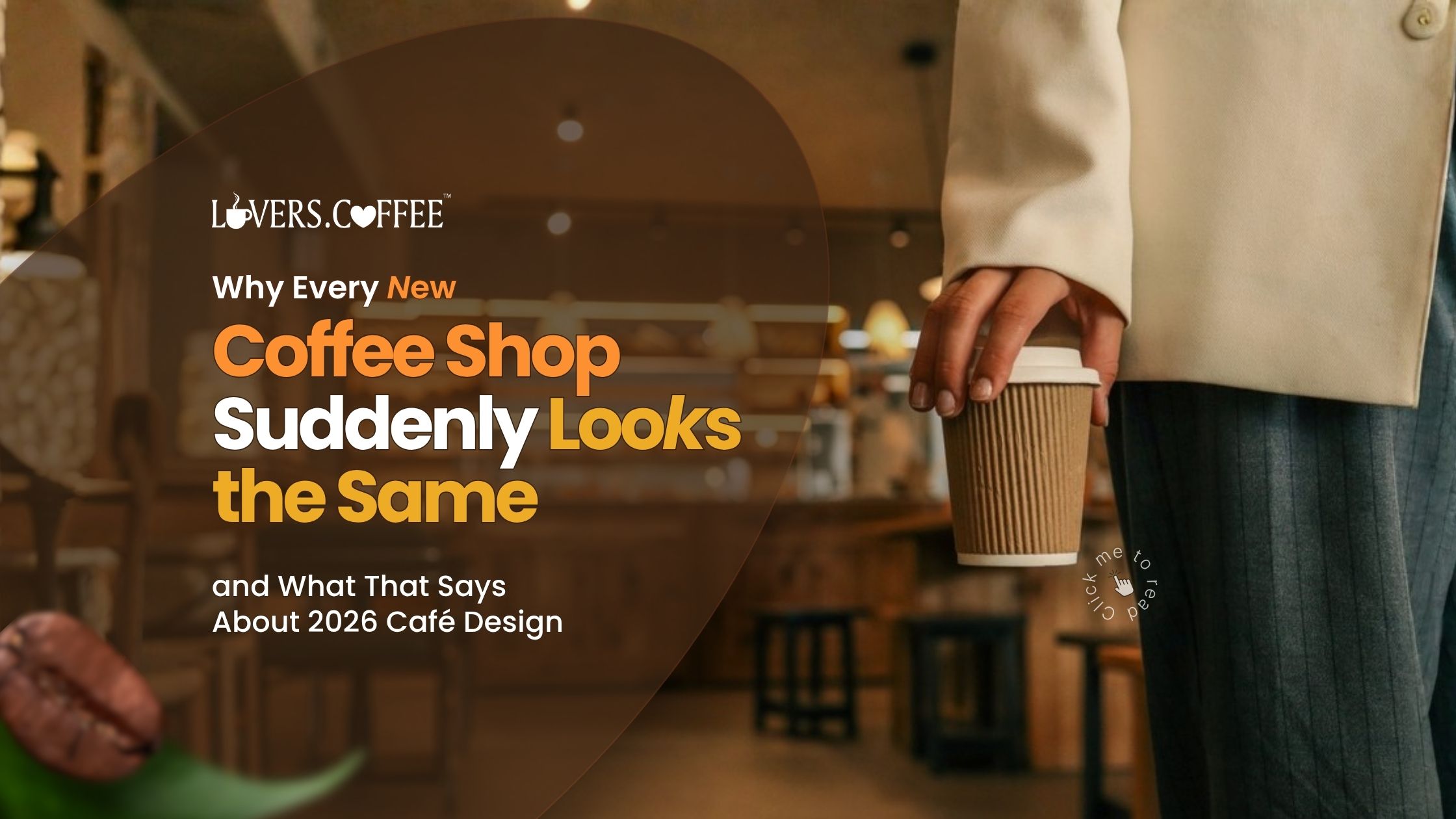
Coffee Shop Design Trends: Why Every New Café Looks the Same


Coffee Shop Design Trends: Why Every New Café Looks the Same
- azeem memon
- 07-14-2026
- 07-14-2026
- 859 views
- Coffee Shop
Walk into a newly opened café almost anywhere today, and there’s a good chance you’ll notice familiar design choices. Neutral color palettes, warm wood finishes, minimalist furniture, indoor plants, soft lighting, and open coffee bars have become defining features of modern cafés. These coffee shop design trends have spread rapidly, creating spaces that feel polished, comfortable, and highly shareable on social media. While these elements offer a welcoming experience, they’ve also made many coffee shops look surprisingly alike.
This shift isn’t happening by accident. Social media platforms, customer expectations, successful café brands, and the growing influence of interior design trends have all shaped the way coffee shops are built in 2026. Although following popular aesthetics can attract customers, it also raises an important question: are cafés creating memorable identities, or are they blending into a sea of nearly identical spaces? Understanding today’s coffee shop design trends reveals why this transformation is happening and how coffee businesses can stand out without sacrificing what customers love.
What People Mean When They Say Every Coffee Shop Looks the Same
Over the past few years, a recognizable café aesthetic has emerged across cities, suburbs, and even small towns. Whether you’re visiting an independent coffee shop or a newly opened specialty café, the interiors often feature the same combination of natural wood, neutral colors, minimalist décor, hanging plants, and cozy seating. These coffee shop design trends have become so widespread that many customers can predict how a new café will look before they even walk through the door.
While this consistency creates a familiar and inviting atmosphere, it has also sparked conversations among coffee lovers, designers, and business owners. Some see it as a sign of refined design standards that prioritize comfort and functionality, while others believe it has reduced creativity and made cafés less memorable. The growing popularity of these shared design elements reflects broader changes in branding, consumer behavior, and the influence of digital platforms.
The Rise of the “Instagram Café”
Social media has dramatically changed the way coffee shops are designed. Platforms like Instagram, TikTok, and Pinterest reward visually appealing spaces that encourage customers to take photos and share their experiences. As a result, many café owners invest in interiors that look clean, bright, and aesthetically pleasing both in person and on camera.
Design features such as large windows, statement coffee bars, textured walls, custom signage, and carefully placed greenery are no longer unique, they’ve become expected. A beautiful café interior now acts as a marketing tool, helping businesses generate free exposure through customer-generated content. While this strategy can attract new visitors, it has also contributed to many coffee shops adopting nearly identical visual styles.
How Global Design Trends Spread Faster Than Ever
Today’s café owners have access to endless inspiration from around the world. Interior designers, coffee brands, architecture websites, Pinterest boards, and hospitality publications constantly showcase successful café concepts, making it easier than ever to replicate popular ideas. Instead of developing completely original interiors, many businesses choose proven designs that already resonate with customers.
At the same time, café equipment manufacturers and furniture suppliers often promote similar layouts and materials, reinforcing these coffee shop design trends across different markets. As successful concepts spread globally, the result is a coffee culture where cafés in New York, Los Angeles, London, Tokyo, or Sydney may share remarkably similar aesthetics despite serving different communities.
The Biggest Coffee Shop Design Trends in 2026
The latest coffee shop design trends focus on creating spaces that feel welcoming, functional, and visually memorable. While every café has its own personality, several design elements have become industry standards because they improve customer comfort, encourage longer visits, and photograph well on social media. These trends also reflect a growing emphasis on sustainability, flexibility, and authentic customer experiences.
1. Warm Earth Tones and Natural Materials
One of the most noticeable changes in modern café interiors is the use of warm, natural colors. Shades of beige, terracotta, olive green, soft brown, and cream create a relaxing atmosphere that feels both modern and timeless. These colors are often paired with wood furniture, stone countertops, exposed brick, and natural textures that make the space feel inviting rather than overly commercial.
Natural materials also support sustainability goals, as many coffee shops now choose recycled wood, reclaimed furniture, and eco-friendly finishes. This combination helps customers associate the brand with quality, comfort, and environmental responsibility.
2. Minimalist Interiors with Soft Lighting
Minimalism continues to dominate coffee shop design trends, but today’s version feels warmer and more welcoming than the stark designs of previous years. Instead of empty spaces and plain white walls, cafés now balance simplicity with comfortable seating, textured surfaces, and carefully selected décor.
Lighting plays an equally important role. Warm pendant lights, hidden LED fixtures, and abundant natural sunlight create a cozy environment where customers enjoy working, studying, or meeting friends. The goal is to make the café feel calm and inviting without unnecessary visual clutter.
3. Open Bars and Transparent Brewing Stations
Customers increasingly enjoy watching their coffee being prepared, which is why open brewing stations have become a signature feature of modern cafés. Espresso machines, pour-over bars, and specialty brewing equipment are positioned where guests can observe the entire process.
This level of transparency builds trust while showcasing the skill of baristas. It also transforms coffee preparation into part of the customer experience, reinforcing the craftsmanship behind every cup.
4. Biophilic Design and Indoor Greenery
Plants have become one of the defining elements of today’s coffee shop design trends. Hanging vines, potted trees, living walls, and natural greenery soften modern interiors while creating a calm and refreshing atmosphere.
Beyond aesthetics, biophilic design has been linked to improved mood and reduced stress, making cafés more enjoyable places to spend time. Combined with natural light and organic materials, indoor plants help create an environment where customers are more likely to stay longer, return frequently, and recommend the café to others.
Why So Many Coffee Shops Copy Similar Designs
The widespread adoption of similar coffee shop design trends isn’t simply a coincidence. Café owners often face intense competition, limited budgets, and changing customer expectations. Choosing a design style that has already proven successful feels like a safer investment than experimenting with something completely different. As a result, many new coffee shops borrow ideas from popular cafés, creating spaces that feel familiar but sometimes lack individuality.
1. Social Media Influence
Social media has become one of the biggest drivers of café design. Platforms like Instagram, TikTok, and Pinterest reward visually appealing spaces, encouraging coffee shops to create interiors that customers want to photograph and share.
Features such as eye-catching murals, stylish coffee bars, aesthetic latte art, and cozy seating can generate thousands of online impressions without traditional advertising. This digital exposure helps attract new visitors, making it tempting for café owners to recreate design elements that have already gone viral.
2. Pinterest and Design Inspiration
Pinterest serves as a massive source of inspiration for interior designers and café entrepreneurs. A quick search for coffee shop interiors reveals thousands of images featuring similar layouts, color palettes, furniture, and decorative details.
While these collections make planning easier, they also encourage businesses to follow existing trends rather than create distinctive environments. Over time, repeated inspiration from the same sources has contributed to the growing similarity among modern cafés.
3. Franchise Success Stories
Large coffee chains have spent years refining store layouts based on customer behavior and operational efficiency. Independent coffee shops often adopt these proven concepts because they know they create a comfortable experience for guests.
Elements such as open ordering counters, clearly defined seating areas, efficient customer flow, and visible coffee preparation stations improve both service and functionality. Although these ideas make practical sense, widespread adoption has made many cafés resemble one another.
4. Customer Expectations
Modern customers have developed clear expectations about what a coffee shop should look and feel like. Many people seek cafés that offer comfortable seating, reliable Wi-Fi, natural lighting, accessible power outlets, and a relaxing atmosphere for work, meetings, or casual conversations.
To meet these expectations, businesses frequently incorporate the same features found in successful cafés. While this approach creates consistency and comfort, it can also reduce opportunities for unique branding. The challenge for today’s café owners is finding ways to embrace popular coffee shop design trends while still creating a memorable identity that reflects their local community and brand story.
The Advantages and Disadvantages of Modern Coffee Shop Design Trends
| Advantages | Disadvantages |
|---|---|
| Creates a Familiar Experience Customers instantly feel comfortable because the layout and atmosphere match what they expect from a modern café. | Weak Brand Identity When every café follows the same coffee shop design trends, it becomes difficult for customers to remember one business over another. |
| Encourages Social Media Sharing Photogenic interiors inspire customers to post photos and videos, giving coffee shops free online exposure. | Less Memorable Customer Experience Without unique design elements, visitors may struggle to distinguish one coffee shop from the next. |
| Builds Customer Trust Clean, organized, and professionally designed spaces create the impression of quality, making new customers more willing to visit. | Increased Competition When cafés look alike, businesses compete mainly on price, location, or promotions instead of a distinctive brand experience. |
| Improves Workflow Modern layouts are designed for efficient service, helping baristas prepare drinks quickly while maintaining smooth customer flow. | Reduced Creativity Relying heavily on popular trends can discourage innovative interior concepts that better reflect a café’s personality or local culture. |
| Supports Longer Visits Comfortable seating, warm lighting, Wi-Fi, and charging stations encourage customers to stay longer and purchase more. | Trend Fatigue Customers may eventually become bored with seeing the same colors, furniture, and décor repeated across different coffee shops. |
| Appeals to a Wide Audience Neutral colors and minimalist interiors attract students, remote workers, professionals, and casual coffee drinkers alike. | Higher Renovation Costs Keeping up with evolving coffee shop design trends may require frequent updates to furniture, décor, and finishes, increasing long-term expenses. |
Designing Cafés That People Actually Remember
While today’s coffee shop design trends have helped create comfortable, visually appealing, and customer-friendly spaces, true success comes from balancing popular design elements with a unique brand identity. The cafés that leave a lasting impression are those that reflect their local community, tell an authentic story, and deliver memorable experiences beyond beautiful interiors. As design trends continue to evolve, coffee shops that combine creativity, functionality, and personality will be better positioned to stand out, build loyal customers, and remain relevant long after today’s trends have changed.
If you want more coffee information, recipes, and seasonal coffee trends, make sure to check our blog daily and explore the Lovers.coffee marketplace for everything you need to make your moments even sweeter.


Deal of Day
Shop
Visit Our Store!
Discover products inspired by our blog — click here to explore the store.
Visit NowEvents
Events-Coffee Culture Live
Don’t miss out on exclusive coffee events and community gatherings.
Coming Soon
Jobs
Subscribe now
Subscribe to our newsletter today for a chance to win a FREE one year coffee subscription after your first order!