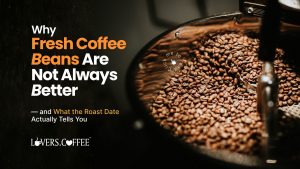
How to Store Coffee Beans So They Stay Fresh for Weeks




How to Store Coffee Beans So They Stay Fresh for Weeks
- azeem memon
- 05-11-2026
- 05-11-2026
- 511 views
- Coffee Beans
Fresh coffee can taste incredible for weeks or completely flat within days depending on how you store it. Many people spend good money on premium coffee beans, only to ruin the flavor by leaving them exposed to air, moisture, heat, and light without realizing it. The result is stale coffee that tastes dull, bitter, and lifeless long before the bag is empty.
The good news is that learning how to store coffee beans properly is simple. With the right container, the right location, and a few small habits, you can keep coffee beans fresh for weeks instead of days. Whether you brew espresso, pour over, French press, or drip coffee at home, proper storage protects the aroma, flavor, and freshness that make great coffee worth drinking in the first place.
Why Coffee Beans Lose Freshness Quickly
Coffee beans may look dry and stable, but they are actually highly sensitive to their environment. The moment coffee is roasted, it begins losing freshness. That process speeds up dramatically when beans are exposed to oxygen, moisture, heat, and sunlight.
Freshly roasted coffee contains hundreds of aromatic compounds responsible for sweetness, chocolate notes, fruit flavors, and rich aroma. Over time, those compounds break down and disappear. This is why a vibrant coffee can eventually taste flat, bitter, or even slightly sour after poor storage.
The Biggest Enemies of Coffee Freshness
There are four major things that damage coffee beans faster than anything else:
Oxygen
Oxygen is the biggest reason coffee goes stale. Once air reaches the beans, oxidation begins breaking down oils and flavor compounds. This is why opened coffee bags lose quality quickly if they are not sealed properly.
Moisture
Coffee beans absorb moisture from the air very easily. Even small amounts of humidity can affect flavor and create stale tasting coffee. Moisture exposure can also damage the grinding and brewing consistency of the beans.
Heat
Heat speeds up the aging process of coffee beans. Storing coffee near ovens, stovetops, microwaves, or direct sunlight causes the natural oils inside the beans to degrade much faster.
Light
Sunlight and indoor light exposure slowly destroy coffee freshness over time. Clear glass jars may look aesthetically pleasing, but they allow light to damage the beans every day.
Why Freshly Roasted Coffee Changes Over Time
Coffee beans naturally release carbon dioxide after roasting through a process called degassing. During the first few days after roasting, this process is intense, which is why specialty coffee bags often include one way valves.
How Long Coffee Beans Actually Stay Fresh
One of the biggest misconceptions about coffee is that beans stay fresh for months after opening. Technically, coffee remains safe to drink for a long time, but flavor quality is a completely different story. Freshness is what separates rich, aromatic coffee from a dull and lifeless cup.
How long coffee beans stay fresh depends on three main factors:
- roast date
- storage method
- whether the coffee is whole bean or ground
Whole Beans vs Ground Coffee
Whole coffee beans hold freshness much longer because the protective outer structure keeps oxygen away from the delicate oils and aromatic compounds inside.
Ground coffee, on the other hand, starts degrading almost immediately after grinding. The increased surface area exposes far more coffee to oxygen, causing flavors and aromas to disappear rapidly.
Here is the general freshness timeline most coffee professionals follow:
| Coffee Type | Peak Freshness | Noticeable Flavor Loss |
|---|---|---|
| Whole beans | 2 to 4 weeks | After 4 to 6 weeks |
| Ground coffee | A few days to 1 week | After 1 to 2 weeks |
Freshly Roasted Coffee Timeline
Fresh coffee does not usually taste best on the exact day it is roasted. Beans need a short resting period to release excess carbon dioxide.
For most brewing methods, this is the ideal timeline:
1 to 3 Days After Roasting
Coffee is still heavily degassing. Espresso can taste unstable or overly sharp during this stage.
4 to 14 Days After Roasting
This is often the sweet spot for flavor. Aromas become more balanced, sweetness develops, and the coffee tastes cleaner.
2 to 4 Weeks After Roasting
Coffee can still taste excellent if stored properly in airtight conditions away from heat and light.
After 1 Month
Most coffees begin losing complexity and aroma noticeably. Dark roasts usually stale faster because their oils are more exposed on the bean surface.
Should You Refrigerate or Freeze Coffee Beans?
Coffee storage is one of the most misunderstood parts of brewing great coffee at home. Some people believe refrigerating coffee keeps it fresh longer, while others freeze their beans immediately after buying them. In reality, both methods have advantages and risks depending on how they are used.
For most everyday coffee drinkers, refrigerating coffee beans is usually a mistake. Freezing can work extremely well for long term storage, but only when done properly. Understanding the difference can help preserve flavor, aroma, and freshness for much longer.
Refrigerator vs Freezer for Coffee Storage
| Storage Method | Good or Bad? | Main Issue | Best Use Case |
|---|---|---|---|
| Refrigerator | Usually bad | Moisture and odor absorption | Not recommended for daily coffee |
| Freezer | Can work well | Condensation if handled poorly | Long term storage |
| Pantry Cabinet | Best option | Minimal when stored correctly | Daily coffee use |
Why Refrigerators Usually Ruin Coffee
Coffee beans are naturally porous, meaning they absorb surrounding smells and moisture very easily. Refrigerators contain constant humidity changes and strong food odors, which makes them a poor environment for coffee storage.
Common refrigerator odors that coffee can absorb include:
- onions
- garlic
- cooked foods
- spices
- leftovers
Even when coffee is sealed, repeated temperature changes inside the fridge can create condensation. Moisture exposure speeds up staling and weakens the natural oils responsible for coffee’s aroma and flavor.
Problems With Refrigerating Coffee Beans
| Problem | Effect on Coffee |
|---|---|
| Moisture buildup | Faster staling |
| Condensation | Damages flavor oils |
| Food odor absorption | Alters taste and aroma |
| Frequent temperature changes | Accelerates degradation |
When Freezing Coffee Beans Makes Sense
Freezing coffee beans can actually be highly effective when storing coffee long term. Many specialty coffee professionals and competitive brewers freeze beans to slow oxidation and preserve flavor.
Freezing works best when:
- you buy coffee in bulk
- you rotate multiple coffees
- you want to preserve expensive specialty beans
- you will not use the coffee immediately
How to Freeze Coffee Beans Properly
Most people damage frozen coffee by repeatedly opening and refreezing the same container. Proper freezing requires portioning and airtight protection.
Step 1: Divide Coffee Into Small Portions
Instead of freezing one large bag, separate coffee into smaller portions containing only a few days worth of beans.
Benefits include:
- less oxygen exposure
- easier daily use
- reduced condensation risk
Step 2: Use Airtight or Vacuum Sealed Containers
Vacuum sealed bags work best because they remove excess air around the beans. If vacuum sealing is unavailable, use thick airtight freezer safe containers.
Avoid:
- thin plastic bags
- loosely sealed containers
- containers with trapped moisture
Step 3: Avoid Repeated Freezing and Thawing
Once a frozen coffee portion is removed, keep it out. Constant temperature swings damage flavor rapidly and increase moisture exposure.
Step 4: Let Coffee Reach Room Temperature Before Opening
Opening frozen coffee immediately causes condensation to form directly on the beans. Instead, leave the sealed container unopened until it naturally reaches room temperature.
Quick Coffee Storage Do and Don’t List
Do
- store coffee in airtight containers
- keep beans away from sunlight
- buy smaller coffee quantities
- grind coffee only before brewing
- freeze only long term backup coffee
Don’t
- refrigerate daily coffee beans
- store beans near ovens or windows
- leave coffee exposed to air
- repeatedly thaw frozen coffee
- use clear containers in direct light
Frequently Asked Questions
What is the best way to store whole coffee beans to keep them fresh?
The best way to store whole coffee beans is in an airtight opaque container placed in a cool, dark, and dry location. Avoid exposure to oxygen, moisture, heat, and sunlight to preserve freshness for as long as possible.
Are 2 year old coffee beans still good?
Two year old coffee beans are usually safe to drink if stored properly, but they will likely taste stale and flat. Most coffee beans lose their peak flavor and aroma within a few weeks to months after roasting.
What is the 15-15-15 coffee rule?
The 15 15 15 coffee rule commonly refers to using coffee within 15 days after roasting, grinding beans within 15 minutes before brewing, and drinking brewed coffee within 15 seconds to enjoy the best flavor and aroma.
What coffee is good for gastritis?
Low acid coffee is generally considered better for people with gastritis because it may be gentler on the stomach. Dark roasts, cold brew coffee, and specially processed low acid coffee beans are often preferred.
What is the best coffee bean storage container?
The best coffee bean storage containers are airtight, opaque, and designed to minimize oxygen exposure. Vacuum sealed containers and stainless steel airtight canisters are among the most effective options.
How should you store coffee beans long term?
For long term storage, coffee beans should be divided into small airtight portions and frozen. This helps reduce oxygen exposure and preserves freshness much longer than regular pantry storage.
How can you keep coffee beans fresh for months?
To keep coffee beans fresh for months, store unopened or portioned beans in airtight freezer safe containers with minimal air exposure. Avoid repeatedly thawing and refreezing the same coffee.
Should you store coffee beans in the fridge or freezer?
Coffee beans should generally be stored in the freezer rather than the fridge for long term storage. Refrigerators expose coffee to moisture and food odors, while proper freezing slows down oxidation more effectively.
How should you store coffee beans in the freezer?
Coffee beans should be stored in small airtight or vacuum sealed portions before freezing. Allow the sealed container to reach room temperature before opening to prevent condensation.
How should you store coffee beans in the fridge?
If coffee beans must be stored in the fridge, they should be kept in a completely airtight container to reduce moisture and odor absorption. However, pantry or freezer storage is usually a better option.
What is the best container to store coffee beans in?
The best container for storing coffee beans is an airtight opaque container that blocks air, moisture, heat, and light. Stainless steel and vacuum sealed coffee canisters are popular choices for maintaining freshness.
Fresh Beans Make Better Coffee
Storing coffee beans the right way is one of the easiest ways to improve your coffee at home. You do not need expensive machines or professional barista skills to keep coffee tasting fresh longer. Simple habits like using an airtight container, avoiding heat and sunlight, and grinding beans only before brewing can make a huge difference in flavor.
Fresh coffee should smell rich, taste balanced, and deliver the full character of the beans. When coffee is exposed to air, moisture, and light for too long, those flavors disappear much faster than most people realize.
If you want more coffee information, recipes, and seasonal coffee trends, make sure to check our blog daily and explore the Lovers.coffee marketplace for everything you need to make your moments even sweeter.




Deal of Day
Shop
Visit Our Store!
Discover products inspired by our blog — click here to explore the store.
Visit NowEvents

Events-Coffee Culture Live
Don’t miss out on exclusive coffee events and community gatherings.
Coming Soon
Jobs


Subscribe now
Subscribe to our newsletter today for a chance to win a FREE one year coffee subscription after your first order!