
Coffee Culture Spotlight: Iconic Cafés and Roasteries
Table of Contents
- Why Cafés Matter in Coffee Culture
- The Rise of Specialty Roasteries
- Café Culture in Europe
- Italian Espresso Culture
- Scandinavian Coffee Innovation
- American Third Wave Coffee
- Japanese Coffee Precision
- Australian Café Culture
- Why Roasteries Became So Important
- Cafés as Lifestyle Spaces
- The Role of Baristas
- Why People Seek Out Iconic Cafés
- Coffee Culture Continues Evolving
- Final Thoughts

Coffee Culture Spotlight: Iconic Cafés and Roasteries
- Adam Smith
- 11-21-2023
- 05-11-2026
- 2335 views
- Coffee Shop
Coffee culture has evolved into far more than simply drinking caffeine. Around the world, cafés and roasteries have become cultural landmarks where people gather to work, socialize, create, and experience coffee at a deeper level. Some cafés are celebrated for their history, while others are admired for innovation, roasting expertise, or specialty brewing techniques.
These iconic coffee spaces help shape global coffee trends while influencing how people experience coffee itself.
Why Cafés Matter in Coffee Culture
Cafés have always been more than places to buy drinks.
Historically, coffeehouses served as centers for:
Conversation
Literature
Business
Art
Political discussion
Community
Today, cafés continue functioning as social and creative spaces while also showcasing advances in specialty coffee craftsmanship.
The Rise of Specialty Roasteries
Modern roasteries focus heavily on sourcing, roasting precision, and flavor transparency.
Specialty coffee roasters often emphasize:
Single origin coffees
Ethical sourcing
Small batch roasting
Traceability
Brewing education
These roasteries helped transform coffee from a commodity into an artisanal product appreciated for flavor complexity.
Café Culture in Europe
European cafés helped shape modern coffee traditions.
Parisian Cafés
In Paris, cafés became famous gathering places for writers, philosophers, and artists.
The café experience often emphasizes:
Relaxed conversation
Outdoor seating
Espresso culture
Long social visits
Viennese Coffeehouses
Vienna is known for historic coffeehouses that blend elegance, pastries, and intellectual culture.
Traditional coffeehouses there often feel timeless and deeply connected to local history.
Italian Espresso Culture
Italy remains one of the most influential countries in global coffee culture.
In cities like Milan and Rome, espresso bars focus on:
Speed
Consistency
Strong coffee
Social interaction
Italian espresso culture helped popularize drinks such as:
Espresso
Cappuccino
Macchiato
Latte
Many modern café traditions trace back to Italian coffee practices.
Scandinavian Coffee Innovation
Scandinavian countries became highly influential in specialty coffee through their emphasis on light roasting and flavor clarity.
Cities like Copenhagen and Stockholm are known for minimalist cafés and carefully sourced coffees.
Nordic coffee culture often focuses on:
Light roast profiles
Precision brewing
Simplicity
Sustainability
American Third Wave Coffee
The third wave coffee movement in the United States helped redefine how consumers think about coffee quality.
Cities such as:
Seattle
Portland
San Francisco
became major centers for specialty roasting and experimental brewing.
Third wave cafés emphasize:
Bean origin transparency
Craft brewing
Coffee education
Artisan roasting
Japanese Coffee Precision
Japan developed one of the world’s most meticulous coffee cultures.
In Tokyo, many cafés focus intensely on:
Pour over precision
Atmosphere
Minimalism
Attention to detail
Japanese coffee culture often treats brewing as a refined craft and sensory experience.
Australian Café Culture
Australian cities such as Melbourne helped popularize modern café aesthetics and espresso based drinks.
Australia’s café scene is known for:
Flat whites
Creative brunch culture
Independent cafés
High espresso standards
Social coffee experiences
Melbourne especially became internationally respected for its coffee quality.
Why Roasteries Became So Important
Roasteries allow coffee professionals to control flavor development directly.
Roasting influences:
Sweetness
Acidity
Body
Bitterness
Aroma
Specialty roasters experiment carefully with roast profiles to highlight the best qualities of each coffee origin.
Cafés as Lifestyle Spaces
Modern cafés increasingly blend coffee with:
Interior design
Music
Art
Remote work culture
Photography
Social media aesthetics
Coffee shops now function as lifestyle destinations as much as beverage businesses.
The Role of Baristas
Baristas have become central figures in coffee culture.
Skilled baristas influence:
Extraction quality
Milk texture
Customer education
Presentation
Brewing consistency
Many cafés now highlight barista expertise as part of the experience itself.
Why People Seek Out Iconic Cafés
Coffee lovers often visit famous cafés to experience:
Unique brewing styles
Signature drinks
Historical atmosphere
Specialty roasting
Local coffee traditions
These visits become part of cultural and travel experiences.
Coffee Culture Continues Evolving
Modern coffee culture constantly changes through:
New brewing technologies
Sustainability efforts
Global sourcing relationships
Creative beverage trends
Specialty roasting innovation
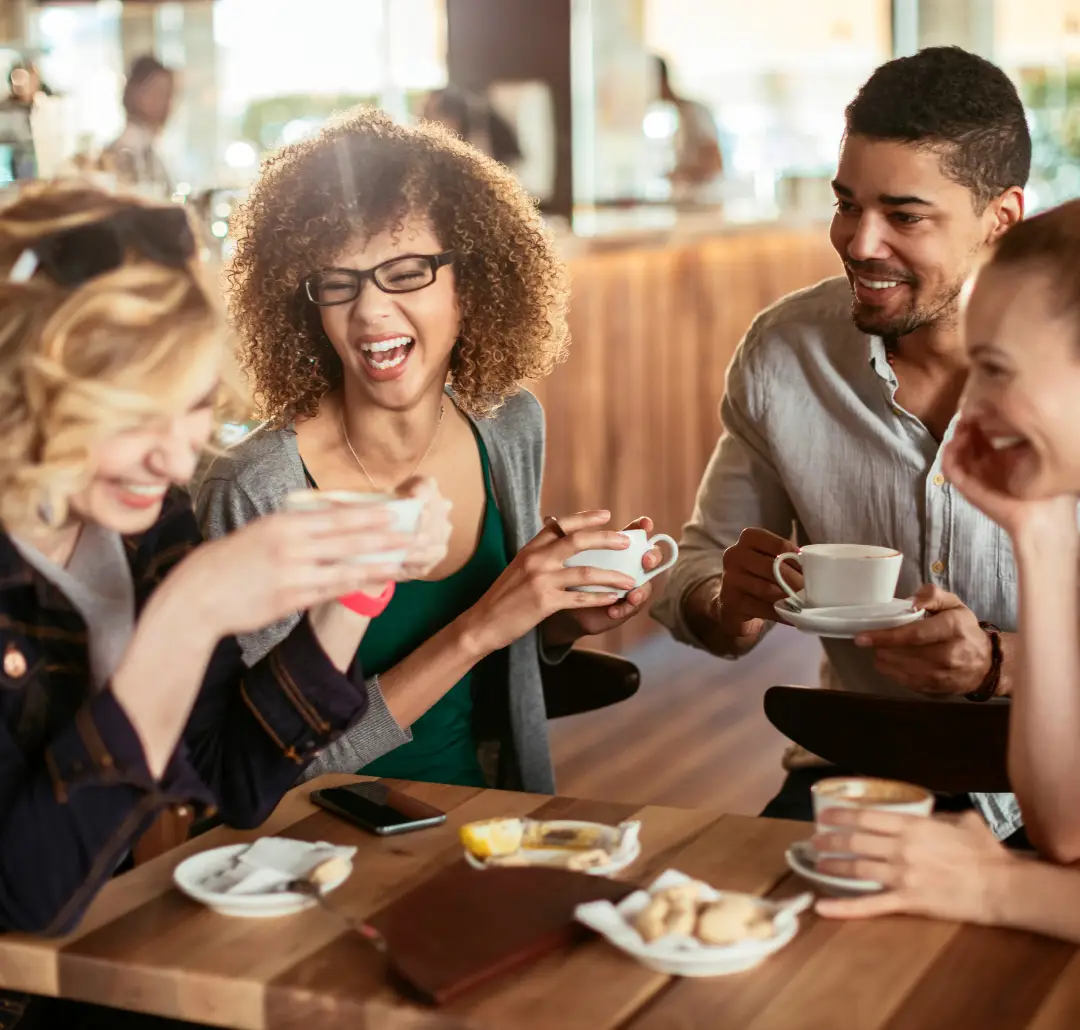
Yet the core appeal remains the same: coffee brings people together.
Final Thoughts
Iconic cafés and roasteries represent the heart of global coffee culture. From historic European coffeehouses to modern specialty cafés in Tokyo, Melbourne, and Seattle, these spaces shape how people experience coffee, creativity, conversation, and community.
More than places to buy drinks, cafés have become cultural landmarks where craftsmanship, atmosphere, and human connection blend together over every carefully brewed cup.

Deal of Day
Shop
Visit Our Store!
Discover products inspired by our blog — click here to explore the store.
Visit NowEvents
Events-Coffee Culture Live
Don’t miss out on exclusive coffee events and community gatherings.
Coming Soon
Jobs
Subscribe now
Subscribe to our newsletter today for a chance to win a FREE one year coffee subscription after your first order!


