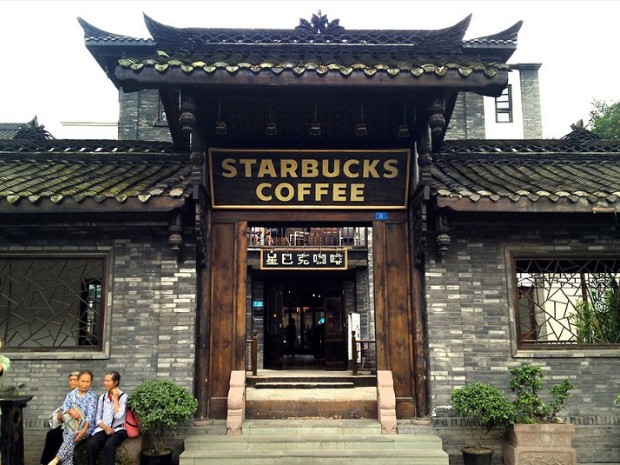
Five Unique Things About Starbucks China


Five Unique Things About Starbucks China
- Shelli Galici
- 09-10-2017
- 06-18-2026
- 3711 views
- Featured Articles, Coffee Shop, Travel
When you think of Starbucks, you probably imagine a familiar, standardized experience. But in China, the brand operates very differently.
Instead of simply exporting its Western model, Starbucks has adapted deeply to local culture, consumer behavior, and market expectations. The result is a version of Starbucks that feels both global and uniquely Chinese.
Tea Culture Integration
China has a long and deeply rooted tea culture, and Starbucks did not try to replace it. Instead, it adapted.
Many stores offer tea based beverages alongside coffee, including blends that reflect local preferences. This allows Starbucks to stay relevant in a market where tea is still dominant.
Rather than competing directly, it integrates.
Premium Store Experiences
Starbucks in China is positioned more as a premium lifestyle brand than a daily necessity.
Flagship locations, especially in cities like Shanghai, are designed as large, immersive spaces with high end interiors and unique layouts.
These stores are built for experience, not just quick transactions. People visit to spend time, meet others, and enjoy the environment.
Strong Focus On Social Status
In China, brand perception plays a significant role in consumer behavior.
Carrying a Starbucks cup can be seen as a status symbol, particularly among younger urban consumers. It represents modern lifestyle, global connection, and a certain level of sophistication.
This perception has helped Starbucks grow rapidly in major cities.
Digital And Mobile Innovation
Starbucks China is heavily integrated with digital ecosystems.
Partnerships with platforms like Alibaba have enabled advanced mobile ordering, delivery, and loyalty programs.
Customers can order, pay, and earn rewards seamlessly through apps, making the experience fast and convenient without losing the premium feel.
Localized Menu And Flavors
One of the smartest moves Starbucks made in China is localizing its menu.
Beyond standard offerings, you will find drinks inspired by regional tastes, seasonal ingredients, and cultural preferences. This keeps the menu fresh and relevant to local consumers.
It is not just about selling coffee. It is about fitting into the local lifestyle.
Final Thoughts
Starbucks China is not a copy of its Western counterpart. It is a strategic adaptation.
By respecting local culture, investing in experience, and leveraging technology, Starbucks has built one of its most successful international markets.
If you want to understand how global brands should enter new markets, this is one of the strongest examples to study.



Deal of Day
Shop
Visit Our Store!
Discover products inspired by our blog — click here to explore the store.
Visit NowEvents

Events-Coffee Culture Live
Don’t miss out on exclusive coffee events and community gatherings.
Coming Soon
Jobs


Subscribe now
Subscribe to our newsletter today for a chance to win a FREE one year coffee subscription after your first order!